Beyond the Sightseeing: A New Era of Industrial Tourism
For decades, international travel to China was defined by ancient landmarks, culinary experiences, and bustling city centers. Today, a new category of travel is emerging: 'tech tourism.' Driven by global curiosity surrounding advancements in artificial intelligence, robotics, and electric vehicles (EVs), international travelers are increasingly bypassing traditional hotspots in favor of factory floors, startup incubators, and industry conferences.
This isn't just about passive observation. These curated experiences allow visitors to witness the manufacturing processes behind the tech that many believe is moving faster than Western counterparts. As China-U.S. tech competition intensifies, these trips serve as a unique, tangible way for professionals and curious travelers alike to explore the next generation of global innovation.
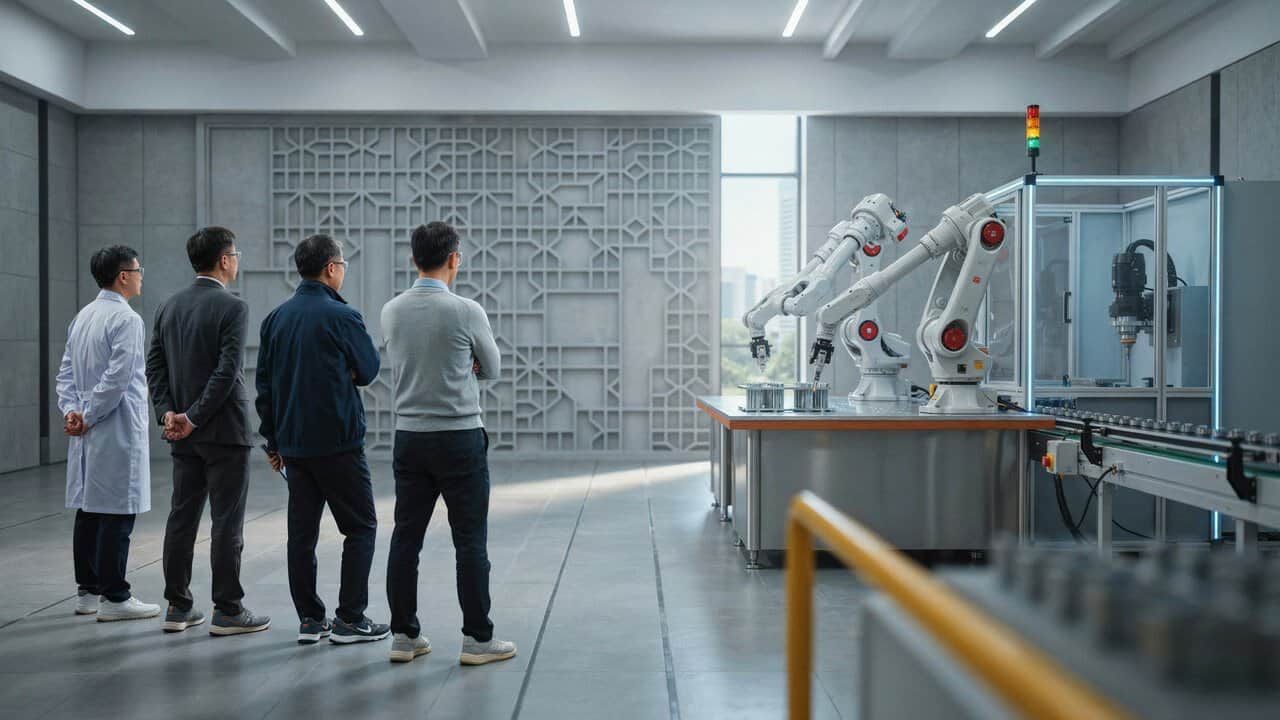
What to Expect on a Tech Tour
Professional tech tours, such as the 'Shanghai AI and Robotics Innovation Tour' or 'EV and Battery Deep Dive,' typically span three to five days. These itineraries are designed to provide deep access that isn't typically available to the general public.
- Exclusive access to startup incubators and cutting-edge robotics facilities.
- Private Q&A sessions with industry executives and lead engineers.
- Hands-on demonstrations of new energy vehicle (NEV) assembly lines.
- Participation in exclusive industry conferences and networking events.
The demand for these experiences has surged. In May 2026, for example, the Xiaomi EV factory in Beijing opened a limited run of 126 lottery spots for a public tour. Over 27,000 people applied, highlighting the intense public interest in witnessing the inner workings of China’s high-tech manufacturing giants.
What was once abstract future technology is broken down into real, tangible everyday scenarios.
— Our China Story
Government Backing and Future Outlook
The rise of tech tourism is no accident. In May 2026, seven Chinese government ministries issued a joint directive formally classifying industrial tourism as a national economic strategy. This move aims to leverage the country's rapid innovation as a draw for international visitors, aiming to bridge the gap between abstract tech trends and real-world application.
While current infrastructure—including language barriers and booking systems—presents a hurdle for mass-market adoption, the sector is rapidly professionalizing. As more English-language tour operators enter the space, experts expect this niche interest to grow into a major pillar of China’s tourism economy, with projections for the sector reaching significant figures by 2029.