A New Chapter in Marine Biology
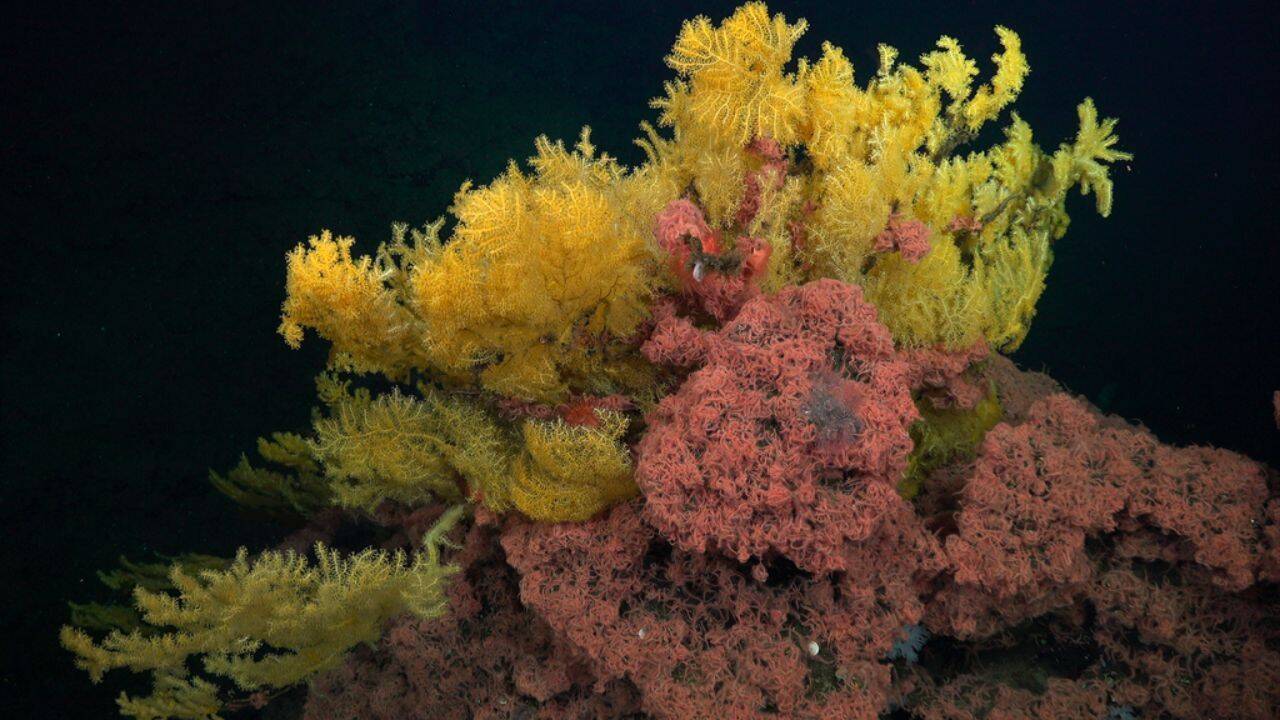
Deep-sea exploration is often a game of identifying the familiar, but a recent expedition near Costa Rica’s seamounts has rewritten the rulebook. Scientists operating the remotely operated vehicle (ROV) SuBastian discovered a striking, bright yellow coral that resembles a gilded tree. The organism was so genetically and morphologically distinct from known species that it couldn't be shoehorned into existing categories, necessitating the creation of an entirely new scientific family.
Hidden in the Depths
The discovery occurred during expeditions conducted in 2019 and 2023 by the Schmidt Ocean Institute. Utilizing research vessels Falkor and Falkor (too), the team explored the waters off Isla del Coco and the Costa Rican Pacific margin. At depths between 360 and 529 meters, they encountered these golden colonies, which can reach heights of over one meter.
- The coral grows in a unique tree-like structure.
- It thrives at depths of 360 to 529 meters.
- Initial analysis failed to match the specimen with any known taxa.
- The discovery was officially published in the journal ZooKeys.
I thought the species could belong to a known family and genera, but after the preliminary morphological analysis I realised that it was something very different that I could not match with the known taxa.
— O. Breedy, Researcher
Why This Matters
This finding underscores the immense scale of the unexplored deep ocean, which covers roughly two-thirds of the planet's surface. These coral gardens are not merely aesthetic wonders; they serve as critical, structurally complex habitats for a wide range of other deep-sea life. By identifying these vulnerable marine ecosystems, researchers are better equipped to advocate for their protection as human interest in deep-sea environments continues to grow.