science & tech••4 min read

The Breakthrough Hydrogel That May Help the Brain Rebuild After a Stroke

Biomedical engineers have developed an injectable hydrogel scaffold that encourages the brain to repair itself after a stroke. By recruiting the body’s immune system, this new material promotes blood vessel regrowth and significant motor function recovery in studies. This advancement marks a potential turning point in how we treat stroke-related brain damage.

The Breakthrough Hydrogel That May Help the Brain Rebuild After a Stroke

A New Frontier in Stroke Recovery

Stroke is one of the leading causes of long-term disability, often leaving patients with permanent paralysis or cognitive impairment because the adult brain has a limited capacity to naturally regenerate damaged tissue. However, researchers at Duke University may have found a way to bridge this gap. By utilizing an innovative, injectable biomaterial, scientists are now creating environments where the brain can effectively repair itself.

How the Hydrogel Works

The treatment centers on what researchers call MAPS, or microporous annealed particle scaffolds. These are individual hydrogel microparticles that assemble into a porous structure once injected into the site of the injury. This porous architecture acts as a temporary framework, or scaffold, for cells to enter and use as they grow new neural tissue.
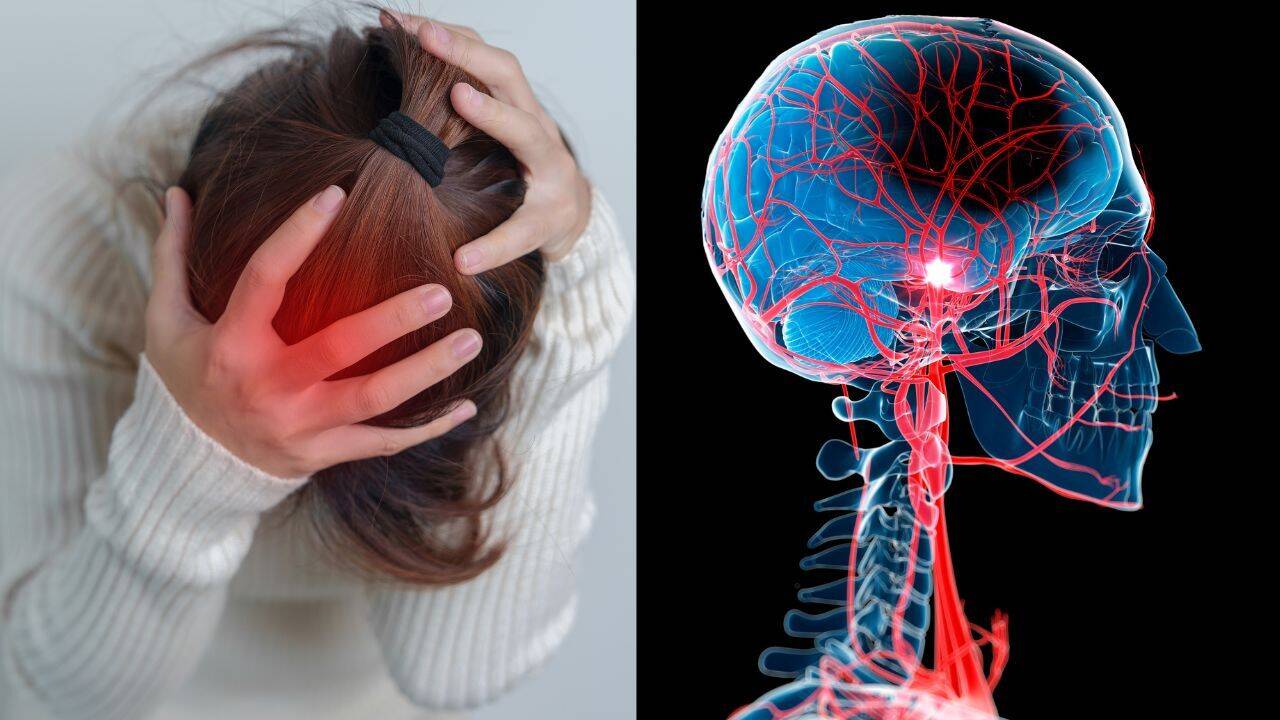
The injectable scaffold provides a porous environment that supports cell growth and tissue regeneration.

Harnessing the Immune System

The true innovation lies in how the researchers moved beyond simple physical support. The team discovered that by chemically anchoring specific signaling molecules and astrocyte-derived extracellular vesicles to the surface of the hydrogel, they could actively recruit the body's own immune system to assist in the healing process.

  • Recruitment of pro-reparative neutrophils and macrophages to the injury site.
  • Promotion of angiogenesis, the growth of new blood vessels.
  • Increased axonal remodeling to support neural connectivity.
  • Significant restoration of motor performance in laboratory models.

Rather than simply injecting the EVs, the team used a chemical reaction to anchor them to the surfaces of the hydrogel microparticles. This kept the signals localized within the scaffold, where incoming cells could encounter them.

— Research Team at Duke University

The Road Ahead

While these initial studies in mice have shown that the treatment can restore motor performance to near-normal levels, the journey from laboratory success to clinical application is complex. The success of this hydrogel highlights the importance of multidisciplinary research, combining engineering and immunology to solve one of the most challenging problems in modern medicine: restoring function to a damaged brain.

Key Takeaways

  • Researchers at Duke University developed an injectable hydrogel scaffold (MAPS) to treat stroke-damaged brain tissue.
  • The porous structure of the hydrogel provides a physical framework for cells to regenerate neural tissue.
  • The material is engineered to recruit the body’s immune system, which helps guide and strengthen the repair process.
  • Experiments in mice showed improved angiogenesis, axonal remodeling, and recovery of motor functions.
  • The study demonstrates that keeping signaling molecules localized within the scaffold is more effective than simple injection.

FAQ

What is the primary function of the hydrogel?

The hydrogel acts as a porous scaffold that provides a physical structure for cells to inhabit and rebuild tissue in areas damaged by a stroke.

How does the treatment interact with the immune system?

The hydrogel is decorated with specific signaling molecules that attract immune cells, such as neutrophils and macrophages, which then help facilitate repair and reduce inflammation.

What does MAPS stand for?

MAPS stands for Microporous Annealed Particle Scaffolds, which are individual hydrogel microparticles that assemble into a porous structure.

Has this treatment been tested in humans?

The research described has been conducted in mice models. Clinical applications for humans are the ultimate goal of such biomedical engineering research.

Related Videos

Duke Science and Technology: A Stroke Healing Gel

Giving to Duke

AI & Hydrogel Help Repair Brain Damage!

Dylan Curious

Cullen Tran - Healing with Hydrogels

Sir Paul Callaghan Eureka! Awards

Sources