A New Chapter for the African Bush
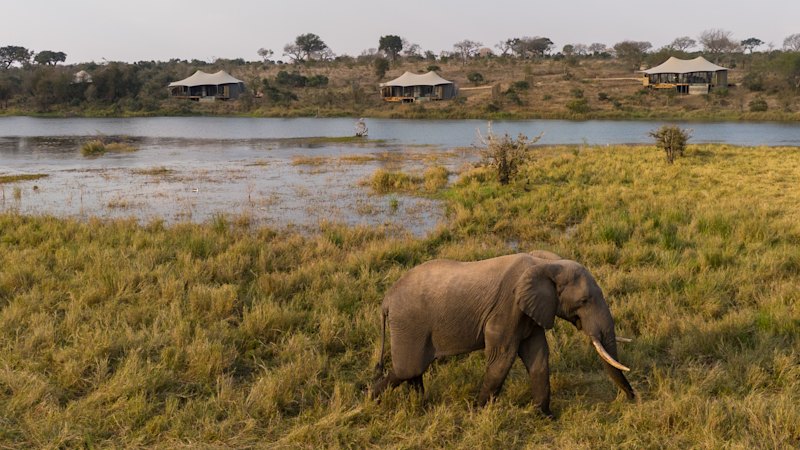
The opening of a new private game reserve marks the culmination of six years of intensive rehabilitation. This project, which transforms degraded land into a functioning wildlife sanctuary, highlights a growing trend in conservation: the shift from mere protection to active rewilding. By allowing natural processes to reclaim territory previously managed or exploited by humans, these reserves offer a blueprint for restoring biodiversity in the face of environmental decline.
The Science of Resilience
Rewilding is more than just reintroducing animals; it is about restoring the fundamental functions of an ecosystem. According to the Rewilding Academy, self-sustaining ecosystems are significantly more resilient to climate change and natural disasters than managed landscapes. Key benefits include:
- Enhanced biodiversity through the return of keystone species.
- Natural carbon sequestration and climate adaptation.
- Lower long-term management costs as nature takes over maintenance.
- Improved air and water quality.
Connecting the Fragments
Conservationists increasingly warn that wildlife cannot thrive in isolated pockets. Modern projects are shifting their focus toward creating 'nature recovery corridors'—connected mosaics of land that allow species to roam freely. This 'big picture' approach is vital for migratory species and those requiring large territories to find food and mates. Whether in rural African reserves or urban centers, the goal is to design landscapes that are permeable to wildlife, ensuring that ecosystems remain interconnected rather than fragmented by roads or borders.
For nature to survive, we must take a big picture approach.
— Rewilding Britain
The Challenges Ahead
While the benefits are clear, rewilding is not without its risks. The International Union for Conservation of Nature (IUCN) emphasizes that projects must follow strict guidelines to ensure they do not negatively impact local livelihoods. Successful rewilding requires deep community consultation; without it, projects risk public opposition and failure. As the world moves toward more ambitious conservation targets, the balance between human needs and ecological restoration remains a delicate, yet necessary, endeavor.