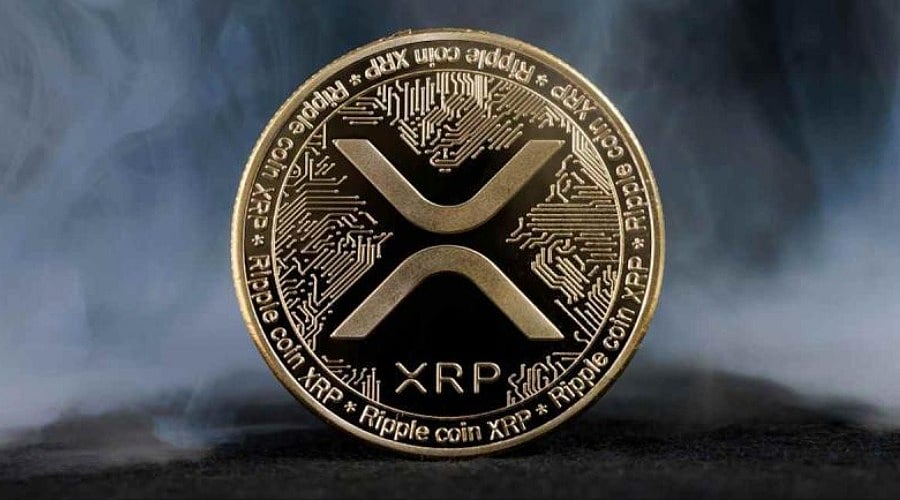
The Evolution of Global Settlement
The global financial system is currently at a turning point. Traditional cross-border settlement systems like SWIFT or CHIPS, while reliable, often rely on complex networks of correspondent banks. This leads to multi-day settlement times and significant overhead costs. As Central Bank Digital Currencies (CBDCs) emerge as a modern alternative, the search for an efficient, scalable 'bridge' to move value between these disparate systems has intensified.
This is where Ripple and its native asset, XRP, come into the conversation. By utilizing the XRP Ledger (XRPL), financial institutions potentially have a way to move money across borders in seconds, rather than days, while operating 24/7/365.
XRP as a Bridge Liquidity Solution
The core proposition of using XRP in a CBDC-driven landscape is its utility as a 'bridge asset.' In this model, XRP would not replace sovereign currencies but would instead facilitate the exchange between them. Instead of banks needing to hold pre-funded accounts in every currency they transact with, they could use XRP to provide real-time liquidity.
- Real-time settlement: Moving value between digital currencies in seconds.
- Reduced Intermediaries: Eliminating the need for multiple correspondent banks.
- Cost Efficiency: Lowering transaction fees associated with traditional banking layers.
- 24/7 Availability: Removing the friction of banking holidays and cut-off times.
If Ripple and XRP were to be formally integrated into these systems, it would represent a paradigm shift. Instead of central banks settling transactions over multi-day networks, they could use blockchain rails that consummate the transaction in seconds.
— Financial Planning Association
Challenges and Future Implications
While the technological potential is clear, institutional adoption remains the primary hurdle. Integration into a CBDC-driven network requires central banks to trust the underlying infrastructure, satisfy complex regulatory requirements, and ensure long-term stability. The future of this integration depends entirely on whether financial regulators and institutions decide that decentralized blockchain rails provide enough security and compliance to replace or augment existing standards.