
A New Chapter for Tesla's Robotaxi Ambitions
Tesla is quietly shifting its strategy for the highly anticipated Cybercab. Following the recent launch event in Austin, Texas, the company has opened a public interest form on its website aimed at companies interested in purchasing and operating fleets of the two-seater autonomous vehicles. This move suggests that Tesla is preparing to scale its robotaxi network by inviting third-party partners to take on the heavy lifting of fleet management.
Why Third-Party Fleets Matter
Until recently, Tesla appeared focused on keeping its robotaxi ecosystem largely in-house, mirroring the vision Elon Musk first floated back in 2016. However, the complexity of managing large-scale autonomous transport may require a more diversified approach. By opening the doors to commercial operators, Tesla is positioning itself to compete more effectively with established players in the ride-hailing space.
- Tesla is now soliciting interest for Cybercab fleet purchasing via an official website form.
- The shift suggests a move toward a more scalable, partner-supported business model.
- Categories for interest include fleet purchasing, mobility infrastructure, and event collaboration.
- The Cybercab is designed as a purpose-built, fully autonomous vehicle without steering wheels or pedals.
The Road Ahead
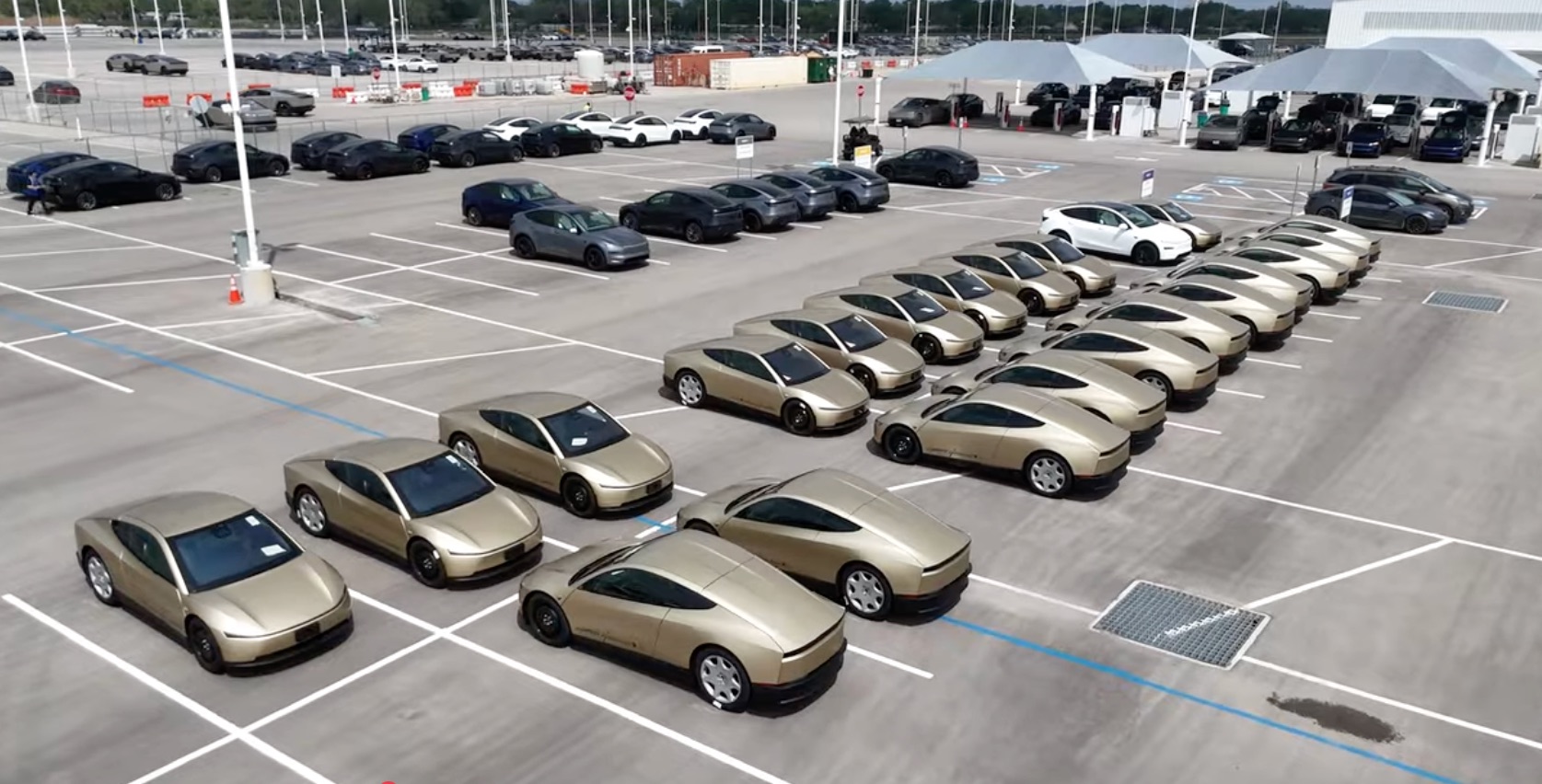
While the service is currently operational in select cities like Austin, Dallas, and Houston, Texas, as well as parts of Florida using the Model Y, the introduction of the purpose-built Cybercab is the next critical milestone. With 45 Cybercabs already recorded in Tesla’s Texas fleet, the company is moving from demonstration to genuine commercialization. The success of this new fleet model will depend on how effectively Tesla can integrate third-party operators into its broader Robotaxi app ecosystem.
The interest form, which says ‘helps us build our robotaxi network,’ suggests the company sees promise and profits in widening the circle to include third-party companies.
— TechCrunch