The Myth of the Second-Year Decline
In professional sports, the 'sophomore slump' has traditionally been the ghost haunting every breakout star. It is the widely accepted theory that an athlete’s second season will inevitably fall short of their debut performance. But as we look at the trajectory of modern stars, that narrative is rapidly unraveling.
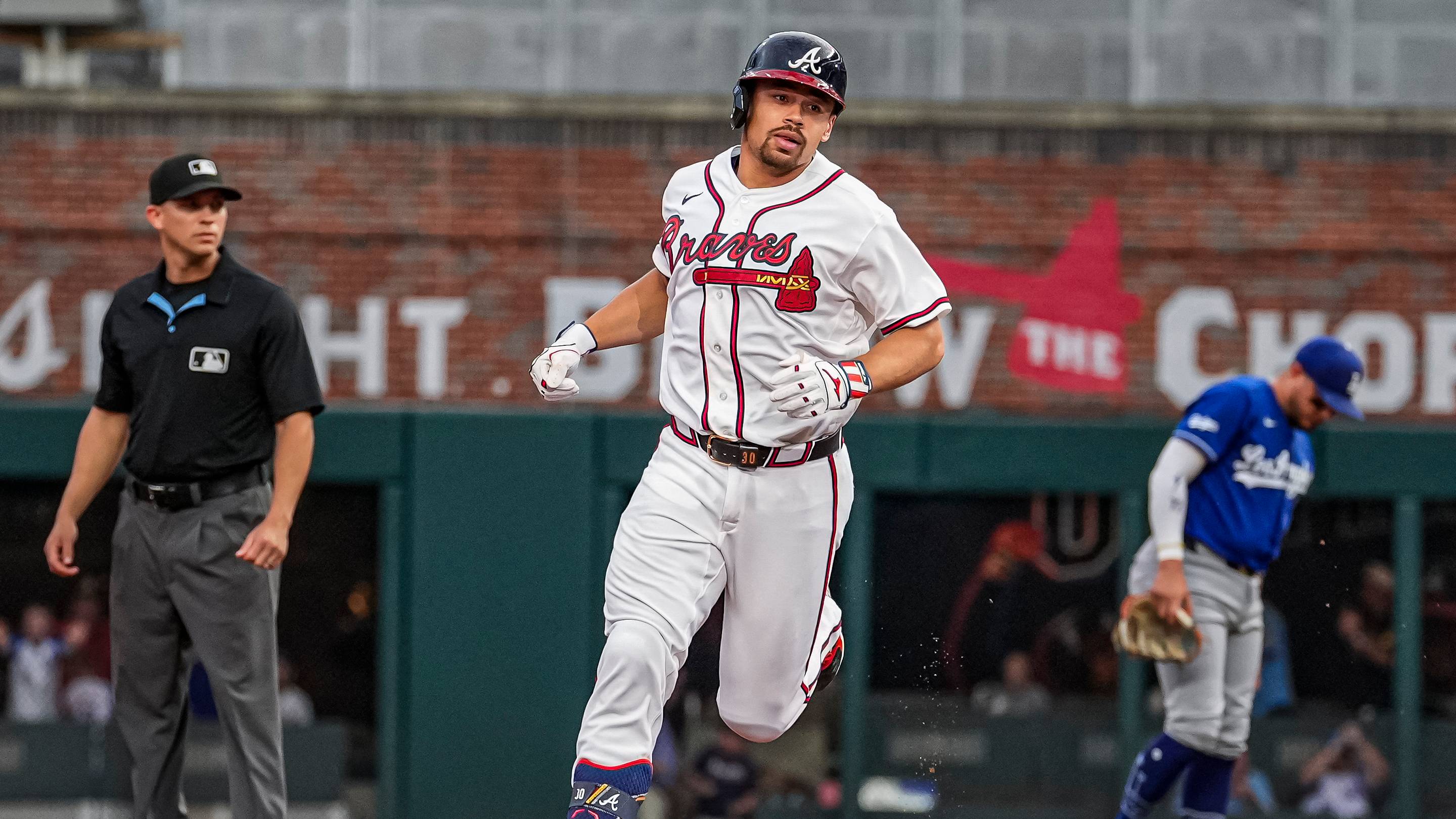
Take Atlanta Braves catcher Drake Baldwin, for example. Rather than succumbing to the pressures of a second act, Baldwin has been on an upward trajectory since the All-Star break, proving that the supposed statistical dip is far from a rule of nature.
Changing the Game: Preparation and Perspective
The shift away from the slump isn't just about talent; it's about the evolution of the support structures surrounding athletes. Success in the pros is increasingly reliant on consistent collaboration and a willingness to adapt.
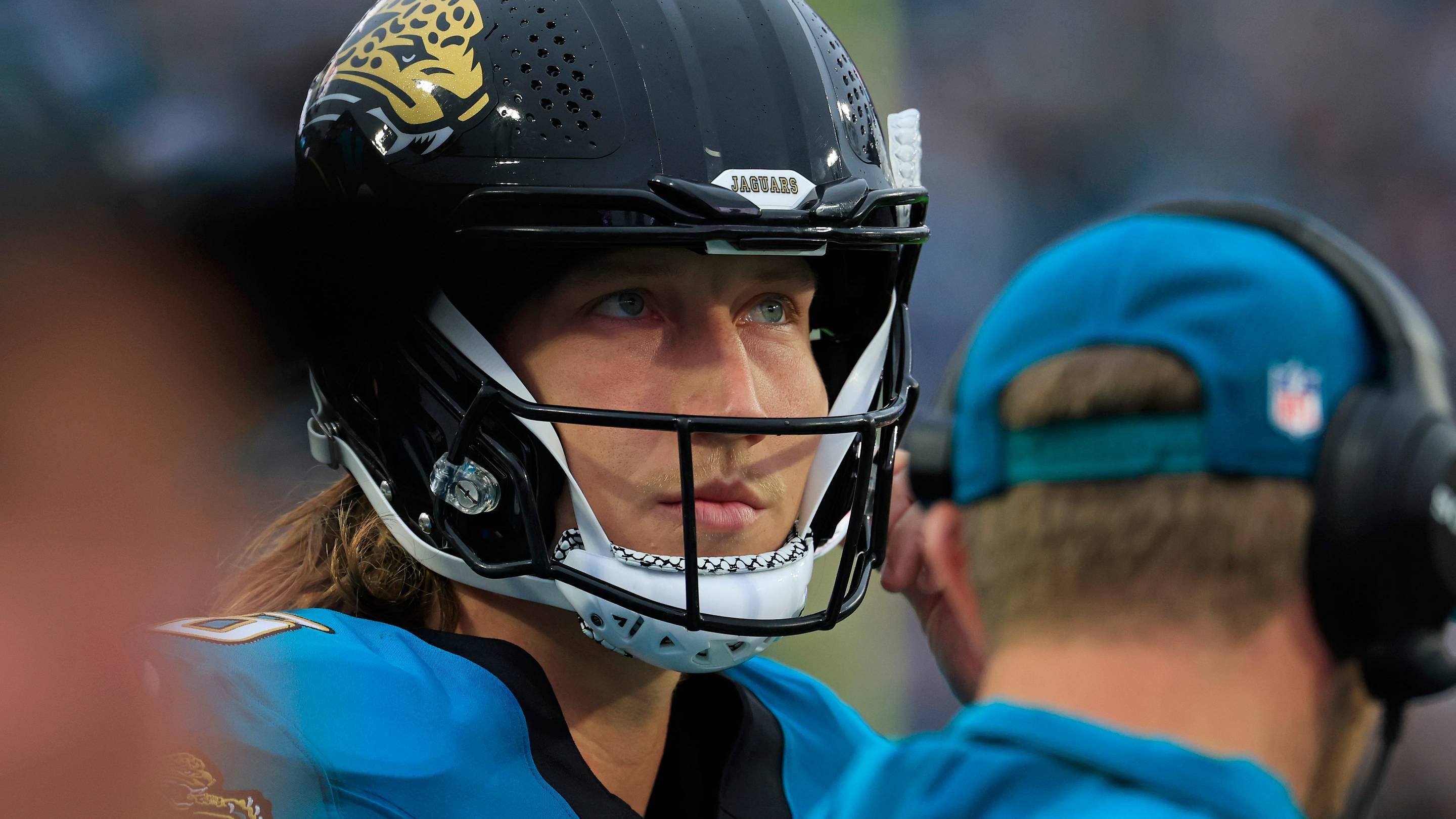
- Coaching synergy: Players like Trevor Lawrence have credited consistent work with coaches, such as Liam Coen, as key to finding their footing after a tumultuous early career.
- Psychological awareness: Athletes are treating performance dips as manageable variables rather than unavoidable fates.
- Adaptability: Modern players are focused on iterative improvement rather than relying on the hype of their debut season.
The 'sophomore slump' happens, but it is not the end-all. There will be many opportunities to make changes and to find new paths to follow.
— George Fox University Resource Center
Beyond the Field
This phenomenon isn't limited to the diamond or the gridiron. The 'slump' is also recognized in academic circles, where students may experience a decline in their second year of college. However, much like professional athletes, the consensus is that breaking the label requires shifting the focus from external expectations to personal growth and strategy.