From Electric Vehicles to Embodied AI
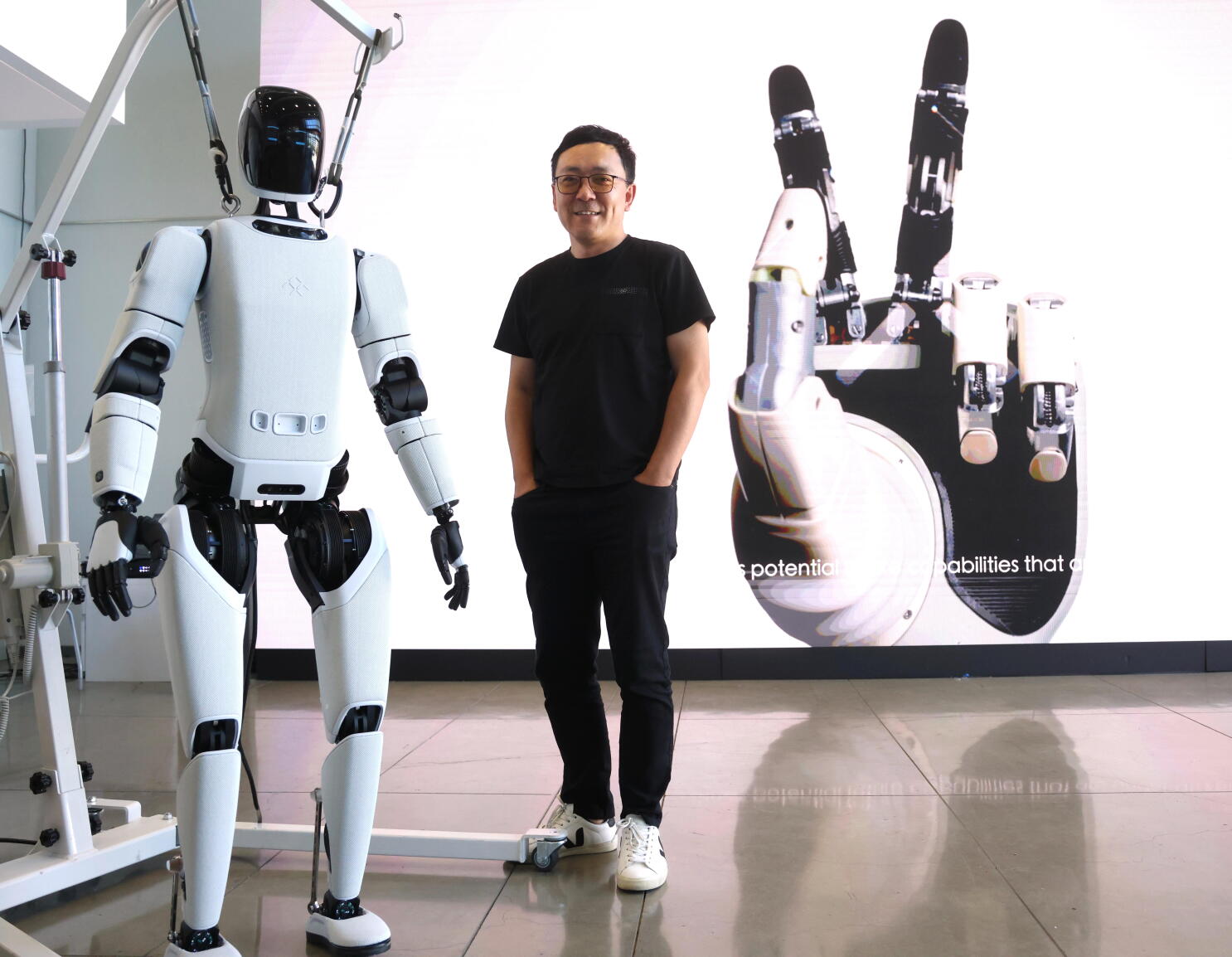
For years, Faraday Future has been synonymous with luxury electric vehicles. However, the company has recently signaled a major strategic shift, positioning itself as a leader in the emerging Embodied AI (EAI) space. Far from abandoning its automotive roots, leadership describes this move as a 'smooth upgrade' rather than a total pivot, aiming to leverage the physical design expertise gained from building cars to develop advanced humanoid and bionic robots.
The 'Three-in-One' Robotics Strategy
At the core of this transformation is the company's 'Three-in-One' EAI ecosystem strategy. This approach is designed to create a scalable loop of production and data collection. The ecosystem consists of three primary pillars:
Scaling for the Future
The company is moving quickly. Following a successful financing round that secured $70 million over two months, Faraday Future has publicly committed to shipping 1,500 robots by the end of 2026. This aggressive timeline places them in direct competition with other major industry players, such as Tesla’s Optimus program and Hyundai-backed Boston Dynamics, as the race for physical, automated labor heats up.
Regulatory and Market Hurdles
As Faraday Future scales its robotics division, the company is also prioritizing regulatory compliance. The firm recently signed a U.S. compliance and localization advisory agreement with AIBOT to navigate Federal Communications Commission (FCC) requirements and other critical ICTS (Information and Communications Technology and Services) frameworks. This ensures that as their robots enter the market, they adhere to the necessary safety and communication standards.
We have officially upgraded our positioning to become a physical AI ecosystem company. By achieving scaled delivery of humanoid and bionic EAI robot terminals, generating positive single-product gross margins, we are rapidly converting our first-mover advantage into sustained competitive advantage.
— YT Jia, Global CEO of Faraday Future