economy••5 min read

India’s 7.8% GDP Growth: How the Economy Is Defying Global Turmoil

India has defied expectations, recording a robust 7.8% GDP growth rate that surpasses central bank forecasts. This expansion is being driven by a surging services sector and a strategic pivot toward global manufacturing.

India’s 7.8% GDP Growth: How the Economy Is Defying Global Turmoil

A Surprise Surge in Growth

India has solidified its position as the fastest-growing major economy, posting a significant 7.8% GDP growth rate. The figure came as a surprise to market analysts, comfortably outperforming the Reserve Bank of India’s (RBI) initial forecast of 7%. Despite facing global geopolitical disruptions and inflationary pressures, the Indian economy has maintained its momentum, proving resilient in the face of international turbulence.

India continues to outpace global growth trends according to recent GDP data.

The Engines of Expansion

The primary driver behind this quarter's success is the robust performance of the services sector, which saw a 10% growth rate—a marked improvement from the 8% growth recorded during the same period last year. Key sub-sectors fueling this expansion include:

  • Financial services
  • Real estate
  • Professional services, including legal, accounting, and consulting firms

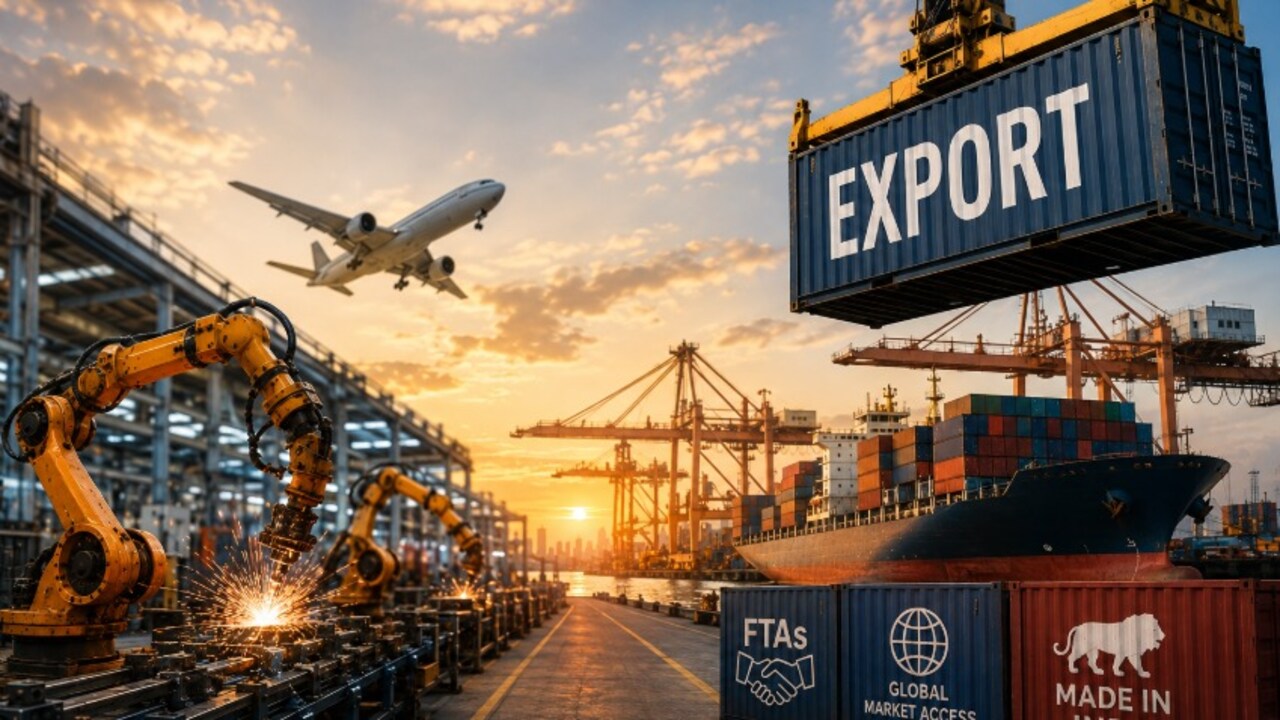
Beyond services, the country is witnessing a manufacturing renaissance. As global supply chains shift, India is positioning itself as a vital manufacturing hub. Increased private capital expenditure (capex) in data centers and renewable energy projects suggests a long-term commitment to infrastructure-led growth.

Navigating the Path Toward Viksit Bharat 2047

While the 7.8% growth is a major victory, policymakers are not losing sight of the hurdles that remain. To maintain this trajectory under the vision of 'Viksit Bharat 2047,' India must address its persistent trade and current account deficits. Strengthening export competitiveness is seen as the critical 'cure' for these imbalances, moving the economy away from reliance on household austerity toward a self-sustaining export-oriented model.

With the vision of Viksit Bharat 2047, the focus now is not just on achieving high growth, but on sustaining this momentum and strengthening India’s position in the global economy.

— Governmental policy analysis

Key Takeaways

  • India hit a 7.8% GDP growth rate, beating the RBI's 7% forecast.
  • The services sector is the economy's backbone, growing at 10%.
  • Manufacturing is experiencing a renaissance as global supply chains reorganize.
  • Export competitiveness is essential to address ongoing trade and current account deficits.
  • Strategic infrastructure spending in renewables and data centers is fueling private investment.

FAQ

What is India's current GDP growth rate?

India recently recorded a GDP growth rate of 7.8%, maintaining its status as the world's fastest-growing major economy.

Which sectors are driving India's economic growth?

The services sector, specifically financial, real estate, and professional services, is the main engine of growth, complemented by a rise in manufacturing and infrastructure investment.

Why is manufacturing becoming important for India?

As global supply chains shift, India is leveraging this opportunity to become a key manufacturing hub to boost exports and balance trade deficits.

What are the main challenges for the Indian economy?

Despite high growth, India faces challenges including geopolitical disruptions, foreign investment outflows, currency pressure, and a need for improved export competitiveness.

Related Videos

India's 7.8% GDP Growth: Economy Defies Global Shocks

YouTube

Fastest Growing Economies in 2025 – India Leads the World!

𝐓𝐑𝐄𝐍𝐃𝐈𝐍𝐆 𝐈𝐍𝐃𝐈𝐀 🇮🇳

Sources