
A Major Pivot in New York City Classrooms
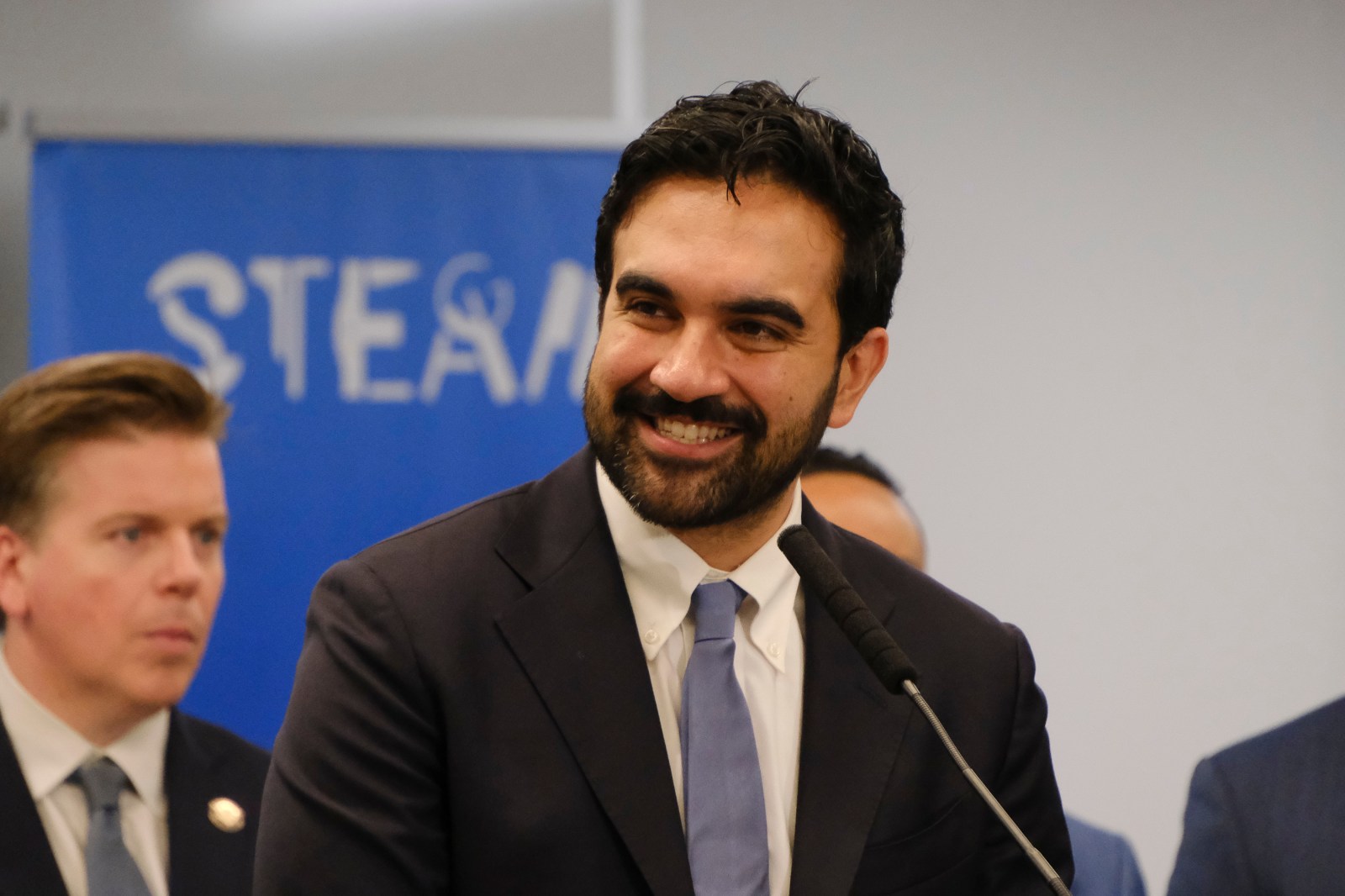
New York City's public school system, the largest in the United States, has officially moved to restrict the use of generative artificial intelligence for its younger students. Mayor Zohran Mamdani announced on Wednesday that elementary and middle school students are prohibited from using generative AI tools for the upcoming school year. This one-year moratorium is intended to serve as a cooling-off period while district officials conduct a comprehensive assessment of how these technologies impact learning, critical thinking, and classroom dynamics.
Why Districts Are Taking Action
The debate over AI in the classroom has intensified as student adoption of tools like ChatGPT continues to surge. According to recent reports, approximately 84% of high school students now use generative AI for schoolwork, using it to brainstorm ideas, edit content, and assist with assignments. For many administrators, the primary concern is not the technology itself, but its potential to undermine traditional academic development.
- Concerns regarding the atrophy of core critical thinking and problem-solving skills.
- The risk of students using AI to bypass the learning process rather than enhancing it.
- A lack of consistent, district-wide guidelines for educators and parents.
- Emerging equity gaps between students with varying levels of access to AI technology at home.
The Broader Educational Landscape
New York City's decision puts it in the company of various districts nationwide currently experimenting with different regulatory approaches. Research indicates that the educational landscape is currently a patchwork; while some districts are aggressively integrating AI into the curriculum, others are banning it outright, and many are delegating the decision-making process to individual teachers. This lack of uniformity has created a complex environment where academic policies can vary significantly from one classroom to the next.
Blanket AI bans create equity gaps and restrict access to technology that students will use in every career. Redesigning assessments with local context prevents AI shortcuts and strengthens critical thinking.
— SchoolAI Blog