A New Chapter for Private Spaceflight
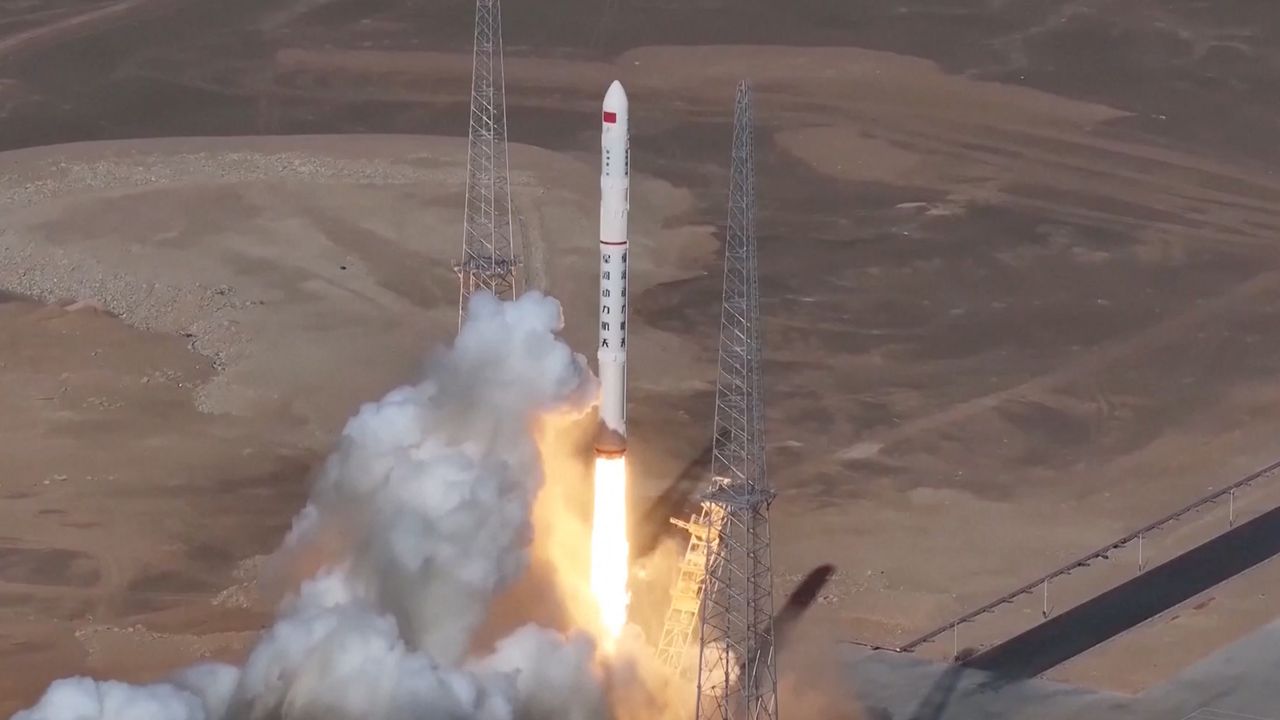
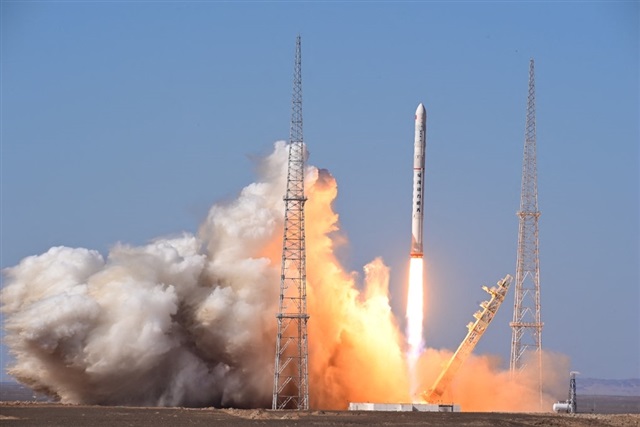
The global race to master reusable rocket technology just gained a significant new player. On September 1, 2026, the Beijing-based company Galactic Energy successfully launched its Pallas-1 rocket, a medium-to-large liquid-propellant launch vehicle. The flight, which lifted off from the Dongfeng Commercial Space Innovation Pilot Zone, successfully delivered its payload to the designated orbit, marking a seamless entry into service.
While the debut flight focused on orbital insertion rather than recovery, the Pallas-1 represents a strategic shift for Galactic Energy. The company is evolving from small and medium-sized solid-fuel rockets into the more complex, high-demand sector of reusable liquid-fueled launch vehicles, a category dominated by international giants like SpaceX.
Designed for Scale and Efficiency
The Pallas-1 is built with long-term economics in mind. As satellite constellations continue to proliferate, the need for cost-effective, high-frequency launches has never been greater. Galactic Energy has engineered the Pallas-1 with a projected reuse capability of at least 25 flights per booster.
- Reusable first-stage design intended to lower launch costs for satellite operators.
- Equipped with hypersonic grid fins and deployable landing legs to facilitate precision landings.
- Versatile propulsion system capable of handling the increasing demand for commercial orbital delivery.
- Expansion of Galactic Energy’s portfolio into medium-to-large liquid-fuel logistics.
The mission marks a major expansion of the company’s launch capabilities, bridging the gap between small-scale solid rocket operations and the future of sustainable, reusable space transport.
— Galactic Energy
What Comes Next?
While this inaugural mission was a success, the company is already looking toward the next technical hurdle: recovery. Although the Pallas-1 is designed with reusability in mind, the first flight did not include an attempted landing. Current reports indicate that Galactic Energy is aiming to conduct its first landing tests in the second half of 2027. By mastering both orbital delivery and safe retrieval, the company hopes to secure a larger foothold in the global commercial space market and accelerate China's push toward a robust, competitive private space industry.