sustainability••5 min read

Chhattisgarh Is Writing the Playbook for India’s Water Future

Chhattisgarh has emerged as the national leader in water conservation, securing the top spot in the third phase of the 'Jal Sanchay Jan Bhagidari' campaign. By integrating community participation with robust infrastructure, the state has significantly improved its groundwater health and set a new standard for others to follow.

Chhattisgarh Is Writing the Playbook for India’s Water Future

A Masterclass in Water Governance

In an era defined by climate unpredictability, Chhattisgarh has emerged as a beacon of success for water security. The state recently claimed the number one position in the third phase of the Ministry of Jal Shakti’s 'Jal Sanchay Jan Bhagidari' (JSJB) and 'Catch the Rain' campaigns. This achievement, presented by Chief Minister Vishnu Deo Sai at a national summit in New Delhi, marks a historic pivot for the state's environmental policy.
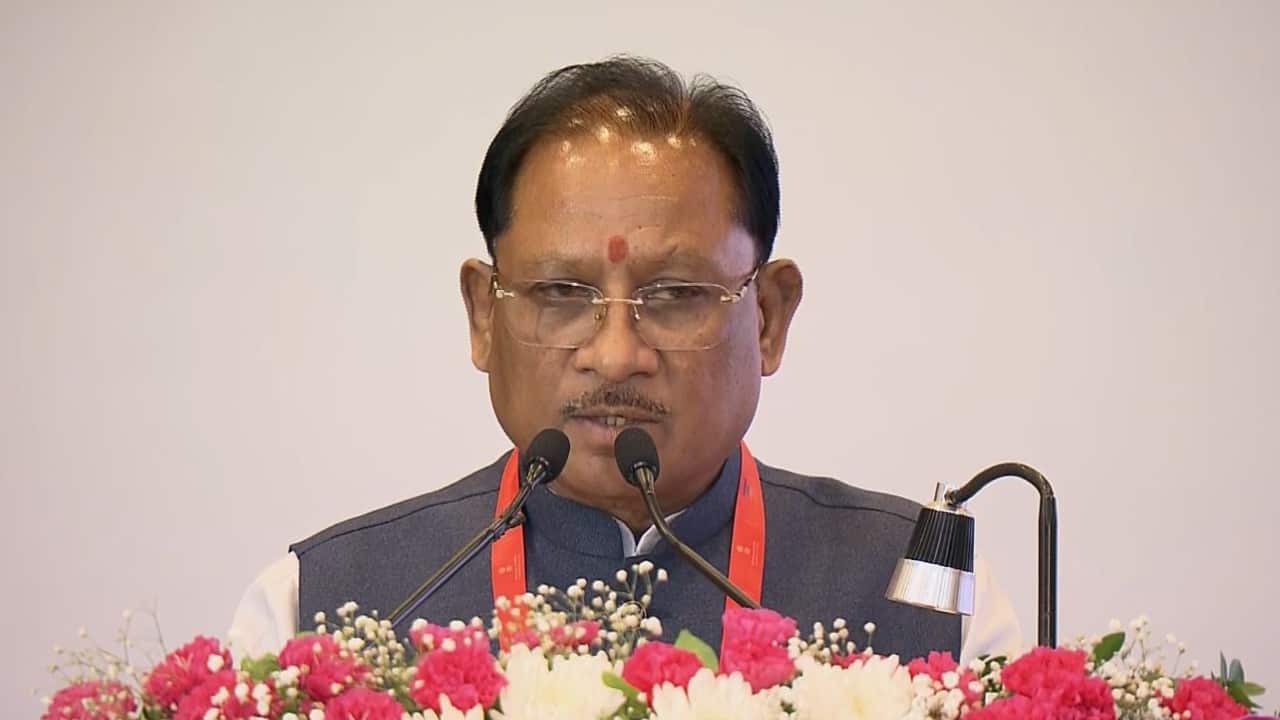
Chhattisgarh CM Vishnu Deo Sai highlights the state's achievements at the national summit.

The Mechanics of Success: From 26 to 19

The numbers behind Chhattisgarh's water victory are striking. Through the active involvement of gram panchayats and farmers, the state has recorded 79,775 water conservation structures, with 77,719 already completed. This massive mobilization has yielded tangible results for the state's aquifers.

  • Water-stressed blocks reduced from 26 down to 19.
  • Critical groundwater blocks have been effectively neutralized, hitting zero.
  • Rapid implementation of localized rainwater harvesting structures.
  • Community-led initiatives fostering a culture of long-term sustainability.

Chhattisgarh will continue to play a leading role toward the national target of 2 crore new structures by 31 May 2027.

— Water Resources Department, Chhattisgarh

Why Community Participation Matters

The 'Jan Bhagidari' aspect—which translates to public participation—is the core engine of this success. By empowering villagers to manage their own local water infrastructure, the state has bypassed the stagnation often associated with large-scale projects. This grassroots approach ensures that conservation structures are not just built, but maintained and utilized effectively.

A National Ripple Effect

The impact of these policies is already being felt beyond the state's borders, providing a replicable model for other regions in India struggling with groundwater depletion. As the nation aims for ambitious water security targets by 2027, the Chhattisgarh model offers a clear, data-backed path forward: combine government funding with local community ownership.

Key Takeaways

  • Chhattisgarh secured first place in the nation for the 'Jal Sanchay Jan Bhagidari' (JSJB) 3.0 campaign.
  • Over 77,000 water conservation structures have been completed across the state.
  • The number of water-stressed blocks in the state has fallen from 26 to 19.
  • Active participation from farmers and gram panchayats is cited as the primary driver of success.
  • The state is currently acting as the benchmark for the national goal of 2 crore new structures by May 2027.

FAQ

What is the Jal Sanchay Jan Bhagidari (JSJB) campaign?

It is a central government initiative aimed at improving water conservation and groundwater levels through community-led efforts and infrastructure development.

Why is Chhattisgarh considered a leader in water conservation?

Chhattisgarh ranks first in the country for the implementation of the 'Catch the Rain' campaign, having successfully built and completed tens of thousands of water structures.

How has the water situation changed in Chhattisgarh?

The state has successfully reduced its water-stressed blocks from 26 to 19 and eliminated all critical groundwater blocks.

What role do local communities play in this initiative?

Local gram panchayats and farmers are deeply involved in building and maintaining water harvesting structures, ensuring the success of the projects.

Related Videos

How Farmers Reshaped a Region and Solved Drought

Andrew Millison

IAS Officer Revived Varanasi’s Water Crisis

The Better India

India: Water Crisis 2030 | Groundwater Depletion

Think Tank

Sources