economy••5 min read

Burnham’s Balancing Act: Why UK Economic Policy Is Facing a Reckoning

Prime Minister Andy Burnham is under fire as the UK grapples with spiralling debt costs and a volatile bond market. Facing pressure from both the opposition and his own party, Burnham has refused to rule out further borrowing and tax increases to balance the nation’s books.

Burnham’s Balancing Act: Why UK Economic Policy Is Facing a Reckoning

A Baptism of Fire for the New Administration

The UK political landscape has shifted dramatically, with Prime Minister Andy Burnham’s government now confronting a sobering economic reality. During his first Prime Minister’s Questions (PMQs), Burnham was forced to address the country’s mounting debt crisis, which has seen costs reach near two-decade highs. The pressure is mounting as the government navigates a complex global bond rout, with critics blaming past Conservative policies for the current vulnerability.

The Borrowing Debate and Fiscal Reality

Burnham has faced pointed criticism regarding his future fiscal strategy. While the government is desperate to fund its ambitious spending plans, the Prime Minister has refused to rule out increased borrowing or further tax hikes. This stance has drawn sharp rebukes from the opposition, with Kemi Badenoch characterizing the administration as a 'spendthrift people-pleaser' that struggles to say no to its own MPs' spending demands.

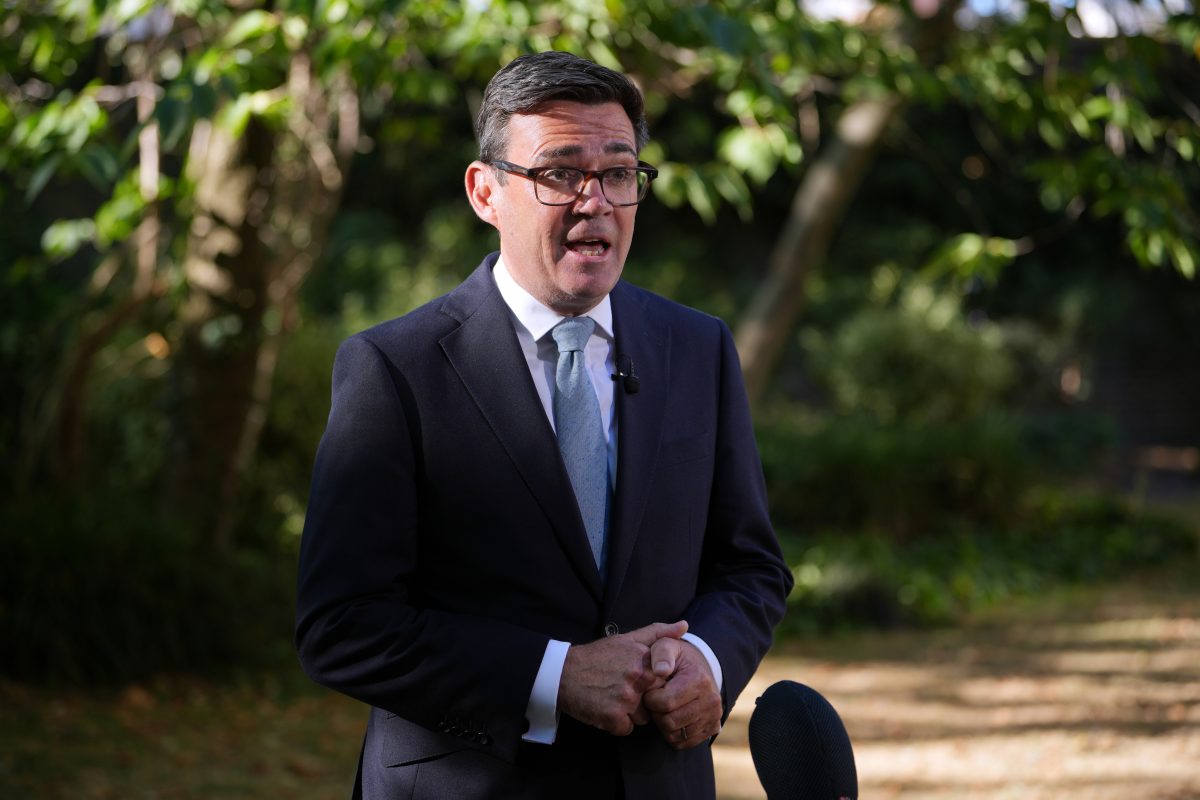
Kemi Badenoch challenging Prime Minister Andy Burnham during his first PMQs.

A Smorgasbord of Tax Measures

The economic strategy appears to rely heavily on revenue generation. Reports indicate a series of new tax measures designed to patch public finances, including levies on high-value properties and certain consumer goods like milkshakes. While officials suggest these measures are necessary to provide fiscal 'headroom,' experts warn that relying on tax hikes in a low-growth environment could further constrain the UK's economic potential.

  • Spiralling debt costs have reached levels not seen in two decades.
  • The Labour government is under pressure from the bond market to stabilize national finances.
  • Opposition leaders argue that unchecked spending demands are undermining economic stability.
  • Economists suggest that tax reform—rather than simple rate hikes—may be required to achieve sustainable growth.

The tax hikes may constrain that growth further, economists say.

— Wall Street Journal

Key Takeaways

  • Prime Minister Andy Burnham is balancing high debt costs against demands for increased government spending.
  • The government has refused to rule out borrowing more or raising taxes to address fiscal gaps.
  • Opposition leader Kemi Badenoch has heavily criticized the government's fiscal discipline.
  • New taxes, including levies on properties and specific consumer goods, are being introduced to raise £26 billion.
  • There is ongoing debate regarding whether tax hikes are the right tool for an economy facing low productivity and growth.

FAQ

Why are UK debt costs so high right now?

The UK is currently experiencing a global bond rout, which has pushed debt servicing costs to near two-decade highs.

Has the government ruled out tax hikes?

No. Prime Minister Andy Burnham has refused to rule out borrowing more or raising taxes to fund government spending.

What is the primary criticism against the new government's spending?

Critics, including Kemi Badenoch, argue the government is a 'spendthrift' and is failing to manage or say no to the spending demands of its own MPs.

What kind of taxes are being implemented?

The government has introduced a variety of measures, including taxes on high-value properties and levies on certain dairy products like milkshakes.

Related Videos

Fiscal Policy explained

Sim Institute

Fiscal Policy - Government Spending and Taxation

EconplusDal

Fiscal & Monetary Policy - Macro Topic 5.1

Jacob Clifford

Sources