technology••5 min read

The Ultimate 2026 Guide to Choosing the Best Camera Drone

Whether you are a budget-conscious beginner or a professional cinematographer, the 2026 drone market offers unprecedented creative power. Learn how to look past the marketing specs and choose the right hardware for your aerial photography goals.

The Ultimate 2026 Guide to Choosing the Best Camera Drone

Why Sensor Specs Can Be Deceptive

If you are shopping for a new drone, you will likely see a lot of talk about '1-inch sensors.' It is important to know that this term is a technical fossil. The measurement refers to an outdated 70-year-old standard for vacuum tubes, not the actual physical dimensions of the imaging area. When buying, focus on the sensor's performance and active imaging area rather than just the marketing labels attached to it.

Mechanical Gimbal vs. Electronic Stabilization

For those seeking the 'buttery-smooth' look common in professional filmmaking, hardware is non-negotiable. A 3-axis mechanical gimbal is essential; it physically counteracts wind and vibration to keep your footage stable.

  • Mechanical Gimbals: Use motors to physically stabilize the camera, maintaining high image quality.
  • Electronic Stabilization: Often found on cheaper models, this relies on software cropping, which can jittery and reduce effective resolution.
  • Pro Tip: If you want professional cinematic results, prioritize a mechanical gimbal over higher megapixel counts.

Top Drone Picks for 2026

The 2026 market is segmented clearly by user needs. Beginners on a budget often start with the DJI Mini 4K, which offers a great entry point for high-quality video without a massive investment. For professionals, the DJI Mavic 4 Pro has emerged as a leader, boasting a triple-camera system and 6K recording capabilities.
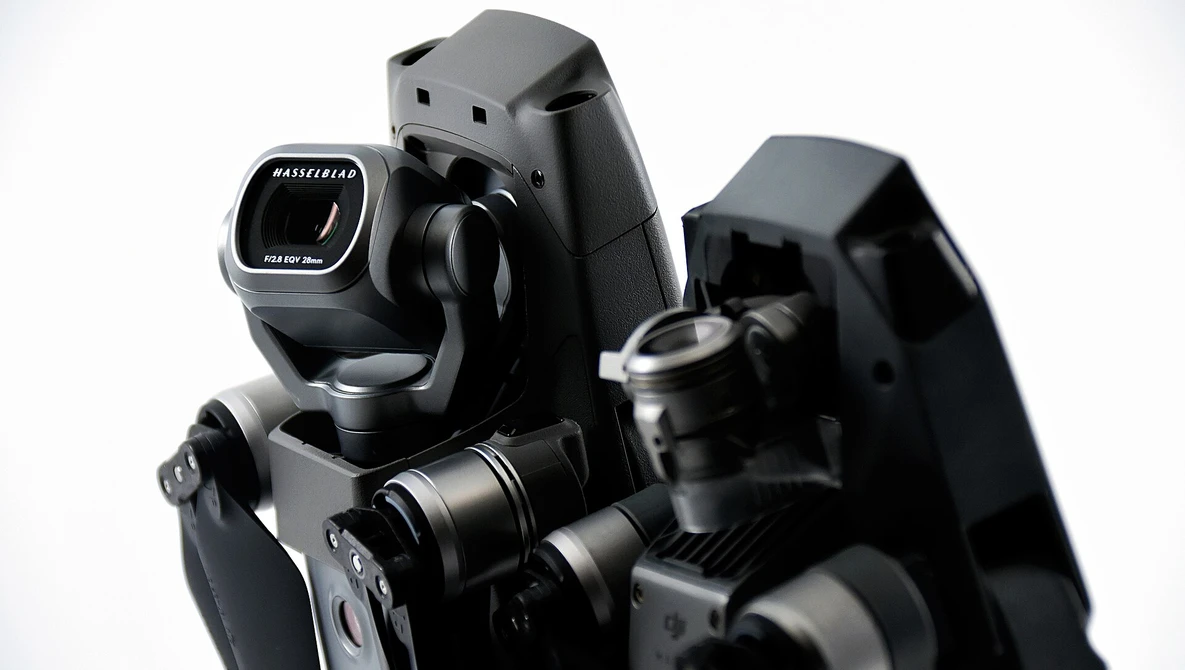
Understanding sensor technology is key to capturing better aerial footage.

Look beyond flashy specs like 4K and megapixels—we'll show you the core camera features that actually deliver stunning aerial shots.

— Drone Doctor LLC

Key Takeaways

  • Ignore '1-inch' sensor marketing claims; research the actual active imaging area instead.
  • Prioritize a 3-axis mechanical gimbal over high-resolution specs for smoother video.
  • The DJI Mavic 4 Pro is currently a top choice for professionals requiring 6K capabilities.
  • Entry-level options like the DJI Mini 4K provide the best value for newcomers.
  • Investing in a mid-range drone often provides better long-term value than constantly upgrading entry-level models.

FAQ

Do I really need a mechanical gimbal?

Yes, if you want cinematic, professional-grade footage. Electronic stabilization uses cropping and software that cannot match the smoothness of a physical 3-axis gimbal.

What is the best drone for beginners?

The DJI Mini 4K is widely recommended as the best budget-friendly option for beginners looking for quality results.

Is a 1-inch sensor actually 1 inch wide?

No. This is an industry-standard naming convention that dates back 70 years and does not reflect the actual physical size of the sensor.

Which drone is best for professional photography?

The DJI Mavic 4 Pro is currently highly regarded for professionals due to its triple-camera system and 6K output.

Related Videos

Ultimate Drone Buying Guide for Total Beginners 2026

QuickAssTutorials

The BEST Drone You Can Buy at Every Budget

Half Chrome

DJI Mini 4K Review: Is It Worth Buying in 2026?

Matty DC Collins

Sources