tech news••5 min read

Apple’s Future Isn’t Just the Vision Pro—It’s Smart Glasses

Apple is officially shifting its wearable strategy under new CEO John Ternus, moving away from cheaper Vision Pro variants to prioritize a direct rival to Meta's smart glasses. This pivot marks a major moment for Apple as it races to bring AI-powered hardware into the everyday lives of consumers.

Apple’s Future Isn’t Just the Vision Pro—It’s Smart Glasses

A New Chapter for Apple Hardware

As Tim Cook steps down after a transformative 15-year tenure that saw Apple’s valuation soar past $5 trillion, the company is undergoing a significant strategic reset. Incoming CEO John Ternus, formerly the head of hardware engineering, has wasted no time putting his stamp on Apple's product roadmap. The most notable change? A definitive shift in focus away from iterative versions of the Vision Pro and toward a new class of AI-powered smart glasses.

John Ternus faces the challenge of scaling Apple's AI and hardware integration.

Why the Vision Pro Strategy Had to Change

For years, the industry expected a lighter, more affordable 'Vision Air' to follow the $3,499 Vision Pro. However, reports suggest those plans have been scrapped. Instead, Apple is consolidating its resources to accelerate development on a glasses-based product. This decision underscores a fundamental reality in the wearable market: consumers are increasingly gravitating toward devices that offer seamless, all-day utility rather than immersive, couch-bound experiences.

Closing the Gap with Meta

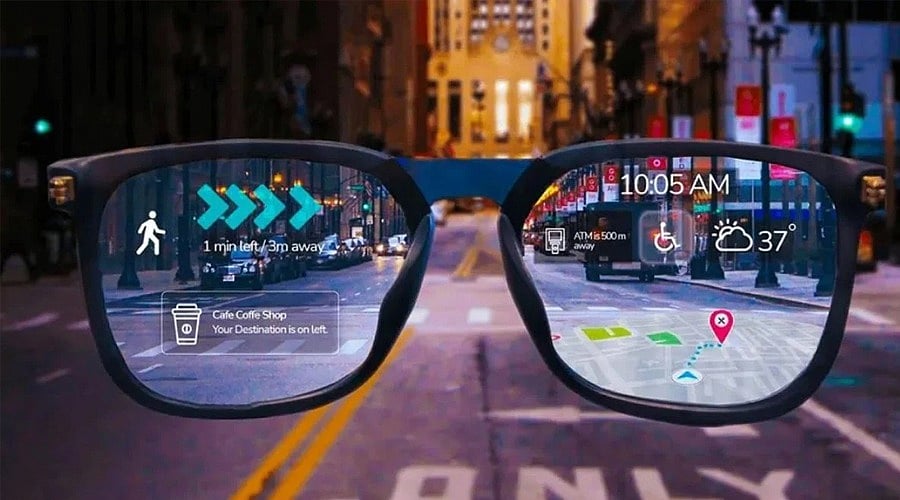
Meta has successfully captured the smart glasses market by leveraging the familiar form factor of Ray-Ban and Oakley frames. With a range of models—from the standard Gen 2 to advanced versions with display features—Meta has proven that users want wearable tech that doesn't feel like a heavy headset.

  • Form Factor: Meta’s success lies in making smart glasses that look and feel like standard eyewear.
  • Utility: Current market demand favors lightweight, 'all-day' wearables over heavy headsets.
  • Integration: Apple’s future roadmap emphasizes AI-first features, potentially including health and fitness tracking, to differentiate its offering.
  • Consolidation: By cancelling the 'Vision Air,' Apple is betting that smart glasses represent the true mass-market future of wearable computing.

Use AI for humanity.

— Tim Cook

Key Takeaways

  • John Ternus has officially pivoted Apple’s hardware focus toward AI-integrated smart glasses.
  • Plans for a cheaper 'Vision Air' headset have been canceled to consolidate engineering resources.
  • The new strategy is a direct response to the market dominance of Meta’s Ray-Ban smart glasses.
  • Apple is looking to integrate advanced health and fitness sensors into its future glasses lineup.
  • The transition marks a pivotal shift in Apple's product philosophy under its new leadership.

FAQ

Is Apple still making the Vision Pro?

While the existing Vision Pro remains part of the lineup, Apple has canceled plans for a lighter, cheaper 'Vision Air' to focus on smart glasses.

What is John Ternus's role?

John Ternus has taken over as Apple's CEO as of September 1, 2026, leading the company's efforts in AI integration and hardware development.

How do Apple’s future glasses compare to Meta Ray-Bans?

While details are still emerging, Apple is developing its own smart glasses to compete directly with Meta’s form factor, aiming for an AI-first, everyday wearable.

When will Apple release its smart glasses?

As of mid-2026, Apple has not provided an official release date, though development efforts have been accelerated following the recent strategic shift.

Related Videos

Vision Pro vs Ray-Ban Meta – Apple vs Meta Face-Off!

xiaoming

Meta Ray-Ban Glasses Gen 2 vs. Gen 1

6 Months Later

Vision Pro vs. Meta Glasses: Which One Should You Buy?

CNET

Sources