The Paradox of the Modern Dashboard
We are living in the golden age of automotive technology, yet drivers have never been more overwhelmed. From sprawling passenger screens to complicated hands-free driving suites, automakers are pushing the limits of what a car's interior should look like. However, a new report suggests that the most successful features aren't the ones that demand your attention, but the ones that fade into the background.
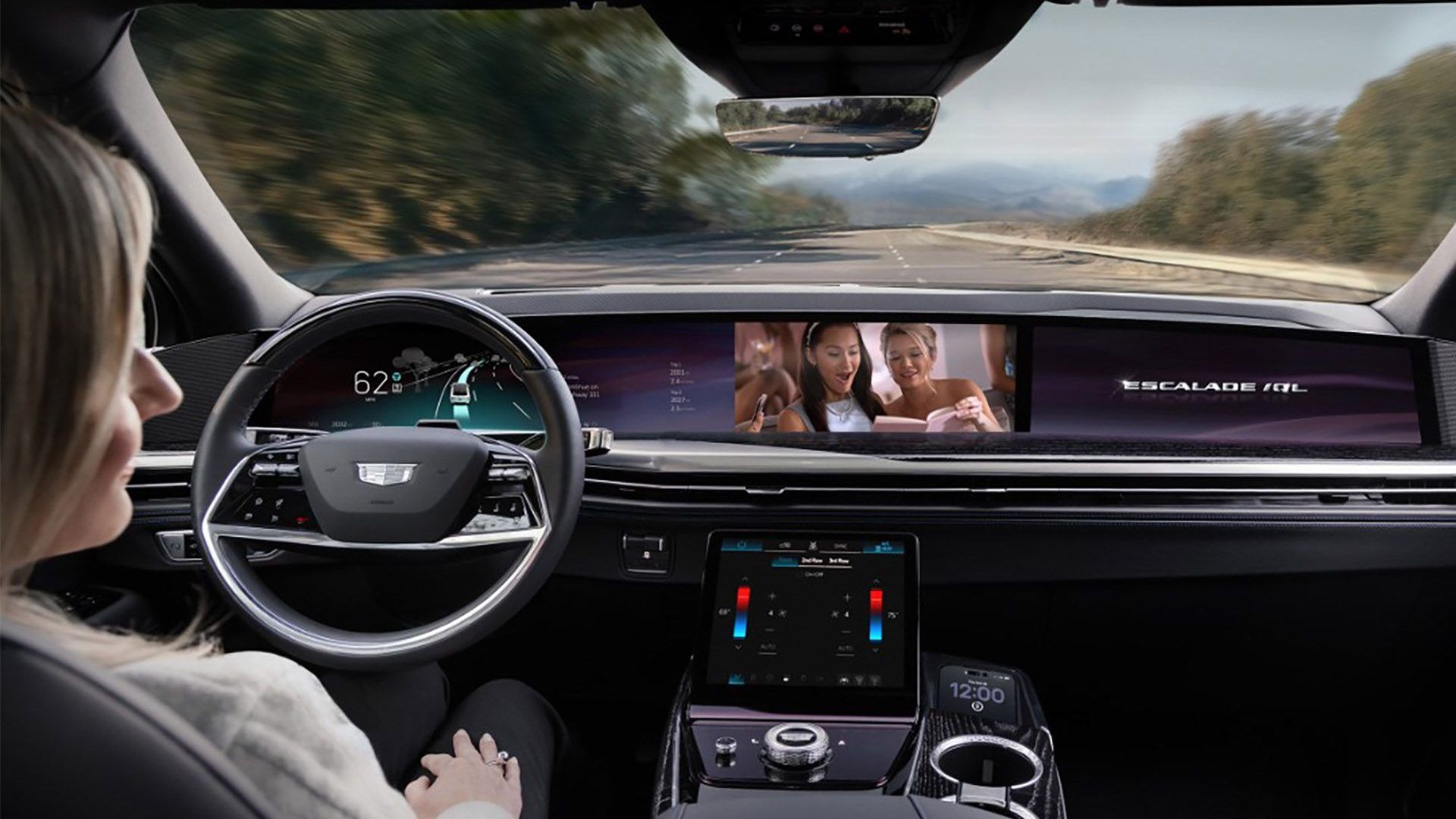
According to the 2026 JD Power U.S. Tech Experience Index (TXI) study, owners are growing increasingly frustrated by the 'screen overload' plaguing today's vehicle cabins. While manufacturers continue to push for high-tech integration, the data indicates a clear preference for seamless, invisible utility.
What Drivers Actually Want
The JD Power study highlights a significant disconnect between what engineers prioritize and what car owners actually value. The findings point to a simple truth: the best technology is the kind that drivers don't have to think about.
- Smart ignitions and climate control systems received high marks for their utility.
- Hands-free driving features were ranked lower, suggesting drivers are still wary of or inconvenienced by current iterations.
- Over-reliance on touchscreens is a major pain point for modern vehicle owners.
- Functional, intuitive design consistently outperforms 'novelty' tech in consumer satisfaction.
The Future of In-Car Experience
As vehicles become more software-defined, automakers face a critical choice: continue piling on complex digital interfaces or pivot toward human-centric design. The current trend of 'screen-ification' may be hitting a wall. If manufacturers want to build true brand loyalty, they must focus on simplifying the interaction between the driver and the machine.
Owners are most satisfied with the technology they barely notice.
— JD Power 2026 U.S. Tech Experience Index (TXI) Study