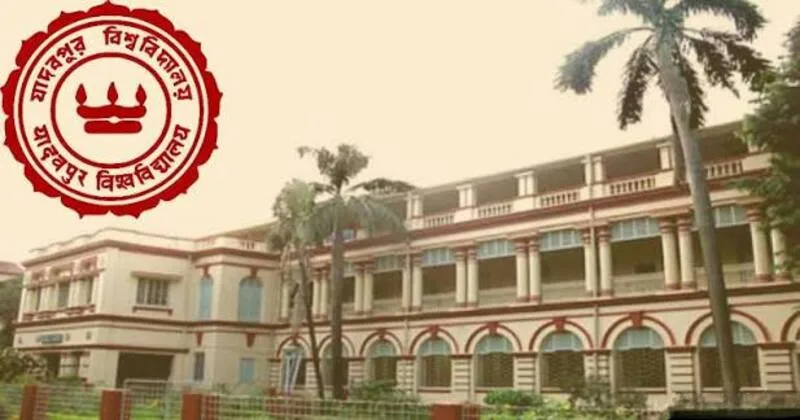
A Monument Born of Resistance
To understand the foundations of Jadavpur University, one must look back to the volatile atmosphere of 1905. When the British Raj announced the partition of Bengal, the region erupted in the Swadeshi movement—a call to boycott foreign goods and reclaim national pride. Students were at the heart of this uprising, and the colonial administration responded with the infamous 'Carlyle Circular,' which sought to crush dissent by expelling students and stripping them of scholarships if they participated in political protests.
The British intended to suppress the youth, but the maneuver backfired. Instead of retreating, India’s intellectual leaders realized that a truly independent nation required an education system free from colonial influence. This realization led to the founding of the National Council of Education (NCE) on March 11, 1906.
The Architects of Swadeshi Learning
The NCE was supported by the era's greatest minds, including Rabindranath Tagore, Aurobindo Ghose, and Sir Rashbehari Ghosh. Their mission was radical: to provide an integrated infrastructure for literary, scientific, and technical education entirely under national control. On August 15, 1906, the Bengal National College was inaugurated with Sri Aurobindo Ghose serving as its first Principal.
- The Bengal National College aimed to forge fearless, patriotic, and self-confident nation-builders.
- Technical education was prioritized to liberate India from dependence on foreign manufacturing.
- The institution was built through the contributions of patriotic philanthropists and zamindars.
- In 1922, Sir Ashutosh Mukhopadhyay laid the foundation for the Jadavpur campus, establishing a permanent home for indigenous knowledge.
After a long time, Bengalis have found the right path, where we have taken into our own hands the responsibility of educating ourselves according to our own needs.
— Rabindranath Tagore
A Legacy in Transition
The transition from the 'Bengal National College' to the modern Jadavpur University involved years of evolution. By 1910, technical and academic streams were merged under the NCE banner. The dedication of individuals like Sir Rashbehari Ghosh, who bequeathed a significant portion of his wealth and his Alipore mansion to the cause, ensured that the dream of a self-reliant education system endured.
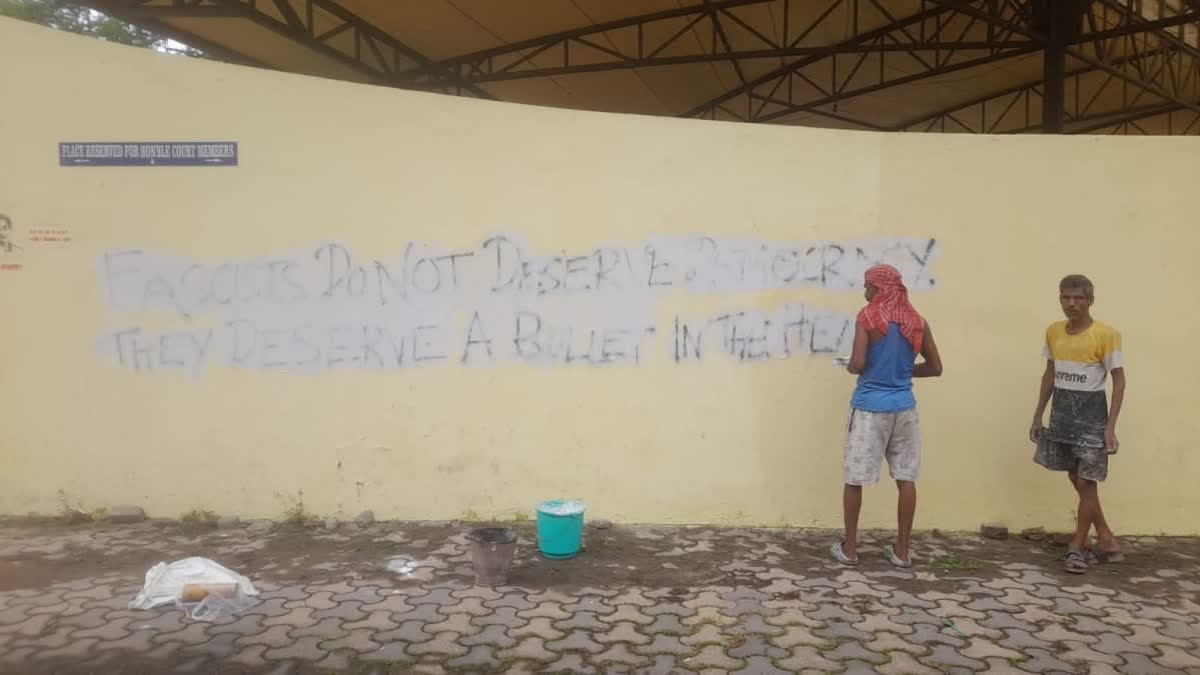
While the institution today often makes headlines for political clashes, its history remains firmly rooted in the fires of the Swadeshi movement. It serves as a reminder of a time when the classroom was the front line of the struggle for independence.