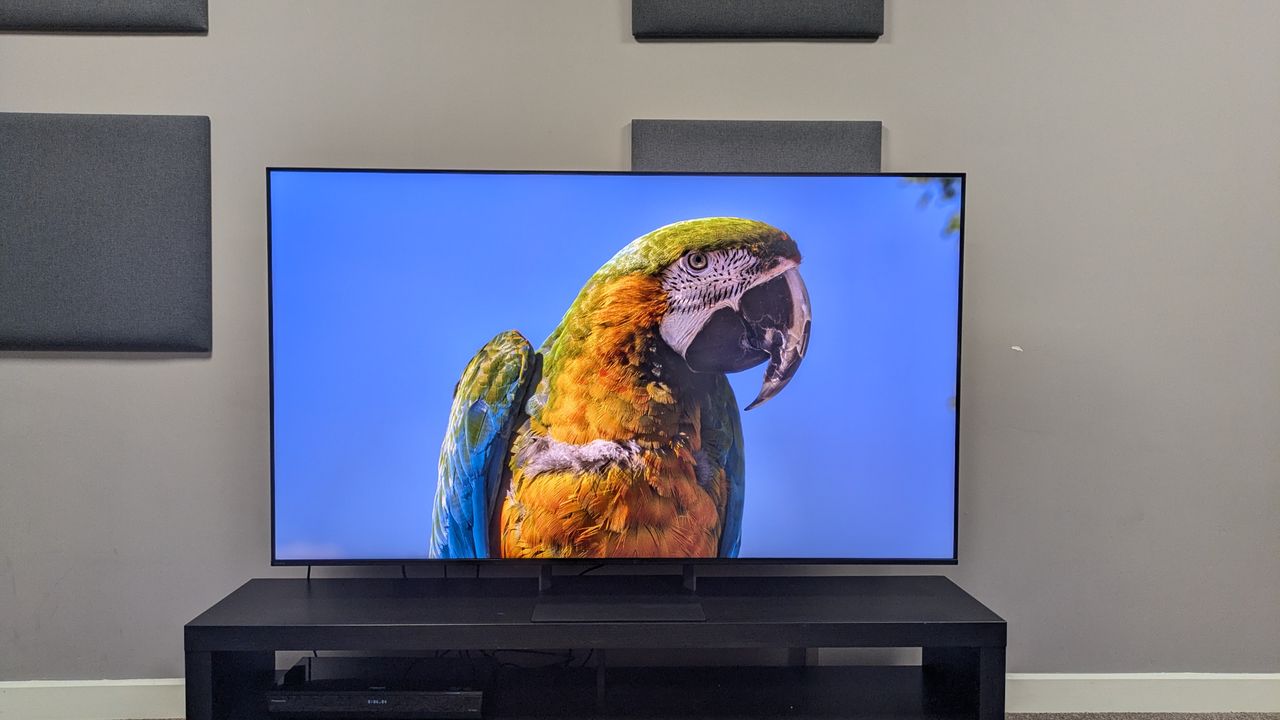
The RGB Revolution
For years, OLED has held the crown for the best picture quality in home entertainment. However, Sony’s 2026 lineup, led by the new Bravia 7 II, represents a significant push to change that narrative. By utilizing 'True RGB' Mini-LED technology, Sony is attempting to bridge the gap between traditional backlit displays and the self-emissive perfection of OLED.
At the heart of the Bravia 7 II are thousands of individually dimmable Red, Green, and Blue LED chips. Unlike standard LED panels, this design allows for more granular control over light and color, resulting in increased brightness, wider viewing angles, and more vibrant color reproduction.
Performance and Real-World Impact
In early testing, the Bravia 7 II has impressed critics with its color accuracy. Measurements in Cinema Mode show a BT.2020 coverage of 88.5% and a P3 coverage of 98.5%. While this is a formidable achievement for an LED-based set, it sits just behind top-tier competitors like the Samsung R95H.
- True RGB Backlighting: Provides more precise color control compared to traditional Mini-LEDs.
- Improved Viewing Angles: Designed to mitigate the narrow sweet spot usually associated with backlit TVs.
- Next-Gen Connectivity: The lineup includes support for new wireless audio systems.
- Size Variety: Available in options ranging from 65-inch models starting at $2,799 up to a massive 98-inch display.
The Bravia 7 II is one of the best backlit TVs we’ve tested, offering a compelling argument for Mini-LED enthusiasts, though pricing remains a hurdle compared to current OLED deals.
— What Hi-Fi?
The OLED Comparison
The central question for many buyers is whether the Bravia 7 II justifies its price tag when compared to OLED alternatives. While Sony has effectively demonstrated the advantages of its RGB technology over standard Mini-LEDs, the market remains competitive. Aggressive pricing and frequent discounts on OLED sets like the LG C6 mean that the Bravia 7 II enters a crowded space where value-per-dollar is the primary metric for most consumers.