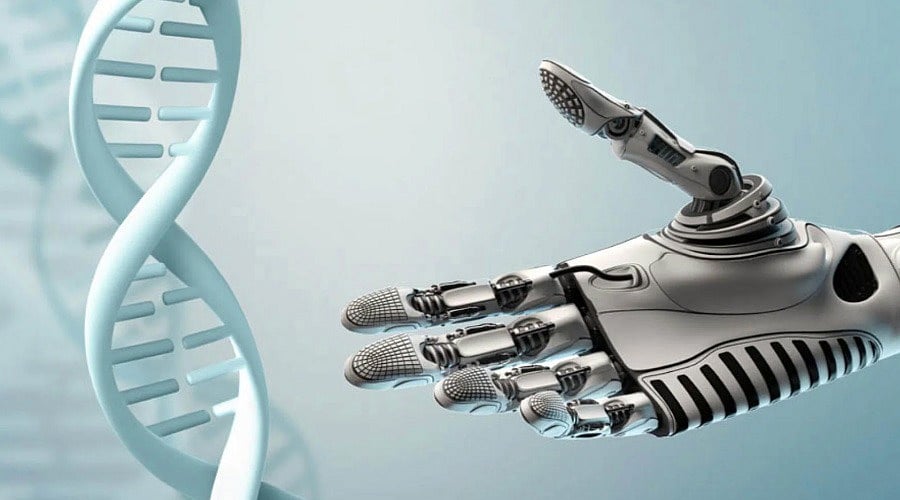
The Convergence of Code and Biology
In 2026, the traditional boundaries between the laboratory bench and the server room have effectively dissolved. The life sciences industry, which generates massive amounts of data across genomics, proteomics, and clinical trials, is moving away from manual analysis toward AI-driven foundational infrastructure. This shift is not merely changing how research is done—it is fundamentally rewriting the job description for the next generation of scientists.
Enter the 'Scientific AI' Expert
The most significant hiring trend for 2026 is the demand for a specific type of 'bilingual' expert: the Scientific AI professional. These individuals possess a rare, high-value ability to bridge the gap between complex biological contexts and advanced algorithmic sophistication. Organizations are no longer looking for silos of knowledge; they are seeking talent that can translate raw biological data into actionable clinical insights.
- Data Analytics Proficiency: Mastery of languages like Python or R is now standard for interpreting genomics and clinical datasets.
- Precision Medicine: AI-driven models are being used to identify unique patient sub-populations for rare disease treatments.
- Operational Efficiency: Automation in bioprocessing is moving roles from manual labor toward digital oversight and system optimization.
- Regulatory Agility: With AI systems integrated into R&D, professionals who understand the intersection of tech and regulatory compliance are in high demand.
Why Traditional Hiring Is Evolving
For graduates and seasoned professionals alike, the criteria for employment have shifted. Employers are prioritizing candidates who can manipulate disparate datasets to find novel disease biomarkers. This digital transformation requires more than just biological expertise; it requires the skill to build the unified data architecture that allows AI models to function effectively. As a result, educational paths are adapting, with an increased focus on practical projects that involve real-world biological data.
Success in digital transformation relies as much on human capital as it does on algorithmic sophistication.
— Astrix Analysis, 2026