technology & education••4 min read

Fort Worth ISD Adopts OpenAI’s ChatGPT: The Privacy Questions Still Looming

Fort Worth Independent School District has officially joined OpenAI’s 'ChatGPT for Teachers' program as part of a broader push to modernize classrooms. However, a lack of transparency regarding data security and privacy protocols has sparked significant questions from stakeholders.

Fort Worth ISD Adopts OpenAI’s ChatGPT: The Privacy Questions Still Looming

A Major Move into the AI Classroom

Fort Worth Independent School District (FWISD) is the latest school system to integrate artificial intelligence into its educational framework, partnering with OpenAI’s 'ChatGPT for Teachers' program. In an era where districts across the globe are scrambling to modernize, FWISD’s decision represents a significant bet on the future of AI-assisted instruction.

While the promise of AI in the classroom—ranging from personalized lesson planning to automated administrative assistance—is immense, the rollout has been marked by ambiguity. Despite the commitment, school officials have yet to provide detailed documentation on how exactly the technology will be deployed, what data will be processed, or how student and teacher privacy will be guarded in this new digital environment.
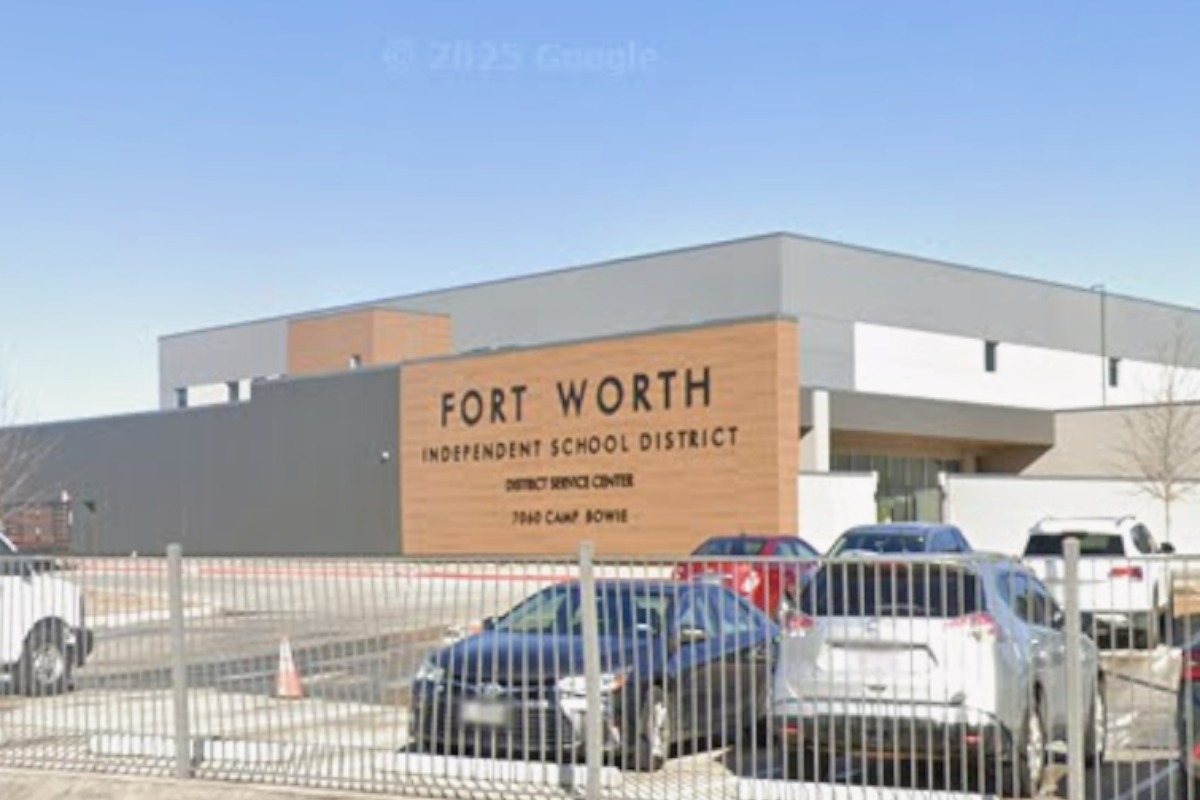
Fort Worth ISD's recent adoption of AI tools has sparked a debate over classroom data privacy.

The Balancing Act: Innovation vs. Privacy

The tension between technological modernization and student privacy is not unique to Fort Worth. Across the United States, districts are navigating a transitional phase, often struggling to reconcile the speed of AI adoption with the slow, meticulous nature of data security regulation.

  • The current lack of specific privacy protocols from FWISD raises concerns about data residency and consent.
  • Educational institutions globally are currently in a reactive posture, attempting to draft policies while the technology evolves in real-time.
  • Experts warn that without strict guardrails, school-integrated AI could inadvertently expose sensitive student information.

Education systems are clearly in a transitional phase in terms of determining when and how to harness AI.

— National Education Association (NEA)

What Lies Ahead?

For parents and taxpayers in Fort Worth, the next few months will be critical. The district’s success with this initiative will likely depend on its ability to move beyond general commitments to modernization and provide clear, actionable policies that prioritize safety as much as efficiency. Until those specifics are addressed, the 'fuzzy' nature of the rollout remains a hurdle to genuine community trust.

Key Takeaways

  • Fort Worth ISD has officially integrated OpenAI’s ChatGPT for Teachers program.
  • The rollout is currently facing criticism due to a lack of public disclosure regarding data and privacy rules.
  • School districts nationwide are struggling to balance the benefits of AI with the need for robust student data protections.
  • There is an urgent need for standardized AI literacy and security policies within K-12 education.
  • Transparency from district officials remains the missing link in successful AI adoption.

FAQ

What is the ChatGPT for Teachers program?

It is an initiative by OpenAI designed to provide educators with AI tools to streamline lesson planning, administrative tasks, and instructional support.

Why are parents concerned about the Fort Worth ISD rollout?

The primary concern is the current lack of detailed information regarding data privacy, security protocols, and how student information is handled by the AI software.

Is AI in schools a growing trend?

Yes, school districts globally are currently in a transitional phase, integrating AI tools to modernize education while attempting to establish policies to govern their use.

Are there official privacy guidelines for AI in education?

While frameworks are being developed, many districts are currently creating their own individual policies, leading to a fragmented approach across the industry.

Related Videos

How AI is impacting teachers and students in the classroom

CBS Mornings

How AI Could Save (Not Destroy) Education

TED

AI & Education: Generative AI & the Future of Critical Thinking

IBM Technology

Sources