A Race Against Time in Rasuwa
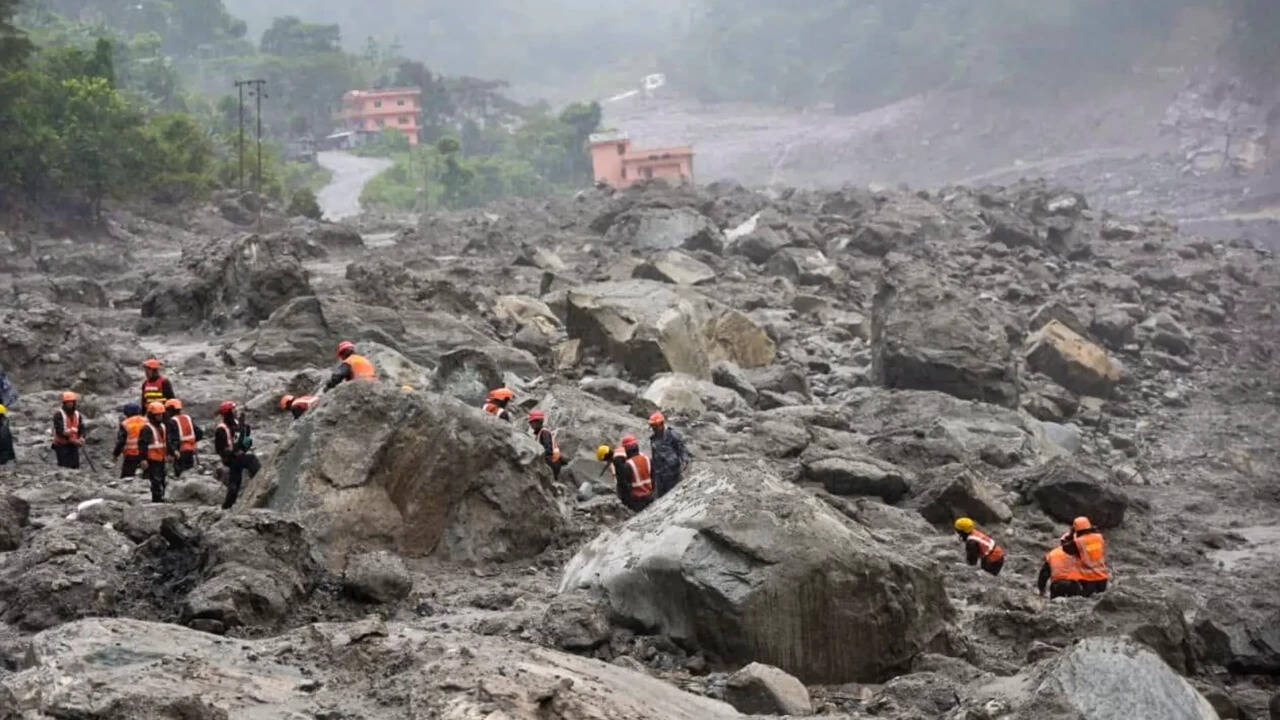
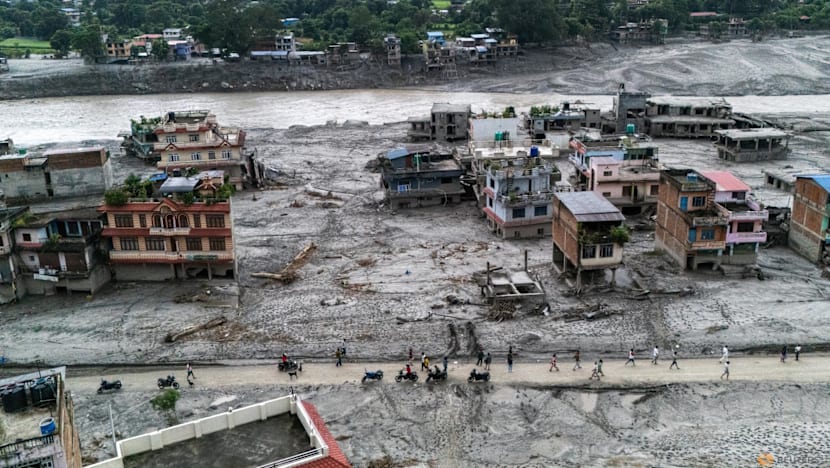
A catastrophic disaster has unfolded along the Nepal-China border, where massive flash floods have decimated infrastructure and left nearly 3,000 people missing. As the search enters its fourth day, the focus has shifted toward high-risk, technical rescue operations at the Chilime hydropower project in the Rasuwa district.
With roads and bridges swept away, traditional disaster relief efforts have struggled to penetrate the hardest-hit zones. In response, the local authorities have turned to the nation’s most experienced climbers—Everest veterans and IFMGA-certified guides—to navigate the treacherous, unstable terrain.
Mountain Skills in a Subterranean Crisis
The rescue team, which includes instructors and guides with over a decade of high-altitude experience, is applying specialized mountaineering techniques—such as rope fixing, cliff access, and helicopter longline operations—to reach victims. These skills, usually reserved for the peaks of the Himalayas, are now being tested in the darkness of a mud-choked hydropower tunnel.
- Rescuers successfully pushed 120 meters into the Chilime tunnel before being forced to stop by heavy debris.
- The team recovered a personal camera bag, providing a grim but critical indicator of activity inside.
- Experts have confirmed that the next phase of the mission requires heavy excavation equipment and specialized pumps to clear the chest-deep sludge.
The deployment brought skills normally used on Himalayan expeditions—rope fixing, cliff access, helicopter longline operations and movement through unstable terrain—into parts of the disaster zone where roads had disappeared.
— Rescue operation report
The Scale of the Disaster
The situation remains dire across the region. While some survivors have successfully reached safe areas, families of the nearly 3,000 missing are facing a harrowing wait for news. Reports indicate that the flooding has been so severe that some victims may have been swept downstream as far as India. Despite these heartbreaking statistics, the intervention of professional mountain guides provides a narrow window of hope for the workers trapped in the complex underground systems of the region’s hydropower plants.