The High Cost of Franchise Dependence
For years, the Walt Disney Company has leaned heavily on its vast vault of intellectual property to anchor its theatrical output. However, recent data suggests this strategy is hitting a wall. A recent analysis of 51 Disney productions in the U.K. over the last 15 years found that only one film—2019's 'The Rise of Skywalker'—came in under budget. This trend of escalating costs, coupled with lackluster box office results for recent high-profile sequels, has sparked a conversation about the sustainability of the current model.
Signs of Franchise Fatigue
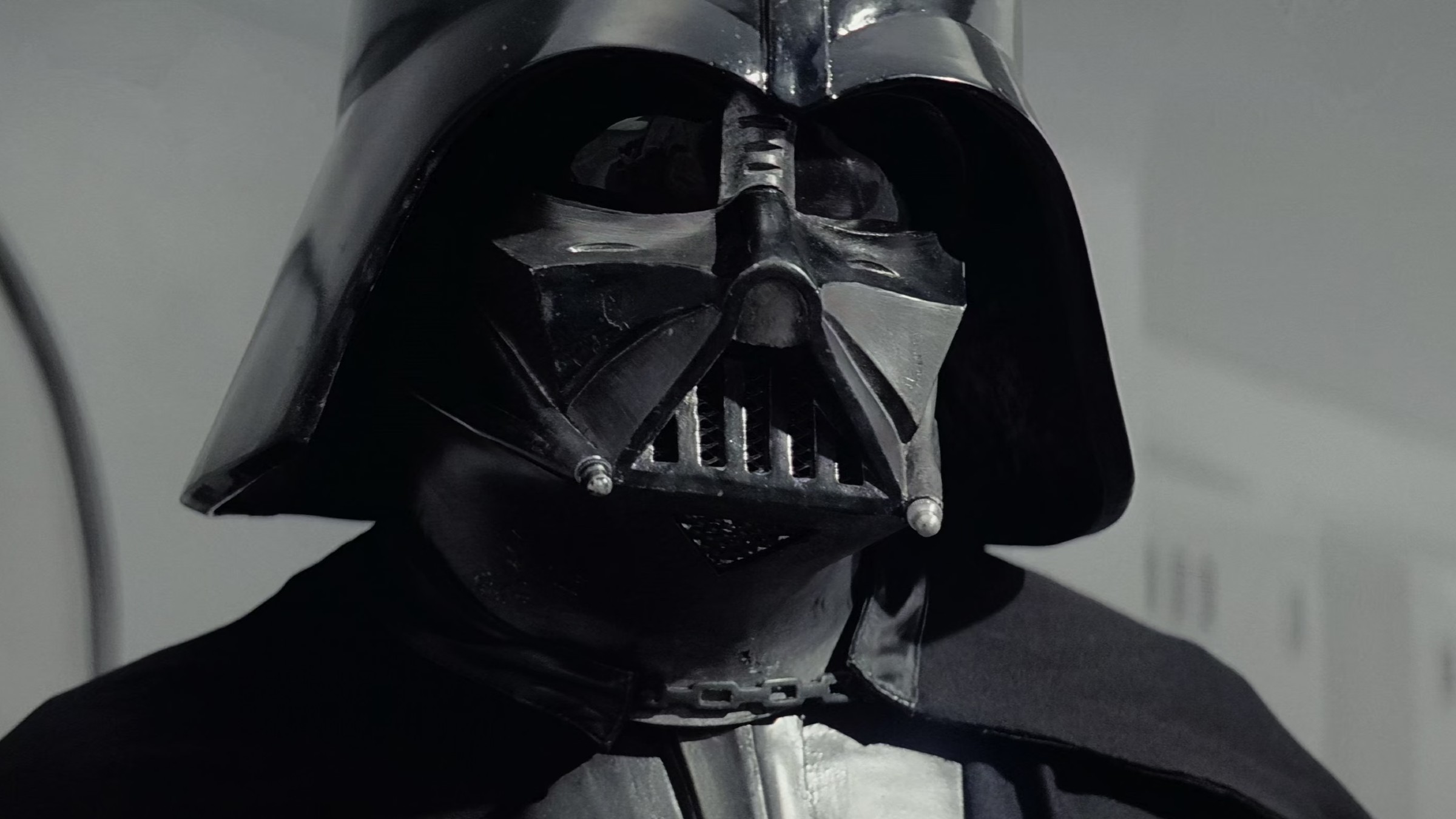
Industry experts and fans alike have noted a cooling in audience enthusiasm. Disney's strategy of rapid-fire streaming series for Star Wars and the MCU has created viewer fatigue, complicating what was once a highly organized narrative ecosystem. As theatrical releases like 'Avatar: Fire and Ash' and other franchise installments face performance hurdles, the industry is seeing that brand recognition alone is no longer a guarantee of profitability.
- Rapid production cycles have led to concerns over quality control.
- Disney is actively re-evaluating its reliance on decades-old IP.
- Financial reports indicate that nearly half of Disney's recent projects have faced significant budget overruns.
- Audience apathy is rising as viewers demand more 'urgent' and fresh big-screen storytelling.
The Future of the Studio
The challenge for Disney is clear: how to maintain the appeal of its legacy powerhouses while fostering the next generation of original stories. While legacy sequels and spin-offs like the upcoming 'The Mandalorian & Grogu' movie aim to capitalize on familiar favorites, the long-term health of the studio may depend on its ability to revitalize its creative pipeline. Moving forward, balancing the fiscal reality of blockbuster filmmaking with the need for creative evolution will be the primary task for Disney's leadership.
The move highlights a bigger issue facing Disney, despite its success, and the industry at large: the difficulty in sustaining long-running brand quality with fresh and urgent big-screen storytelling in an era of growing audience apathy.
— Brandon Katz, Observer