The Gigawatt Goal
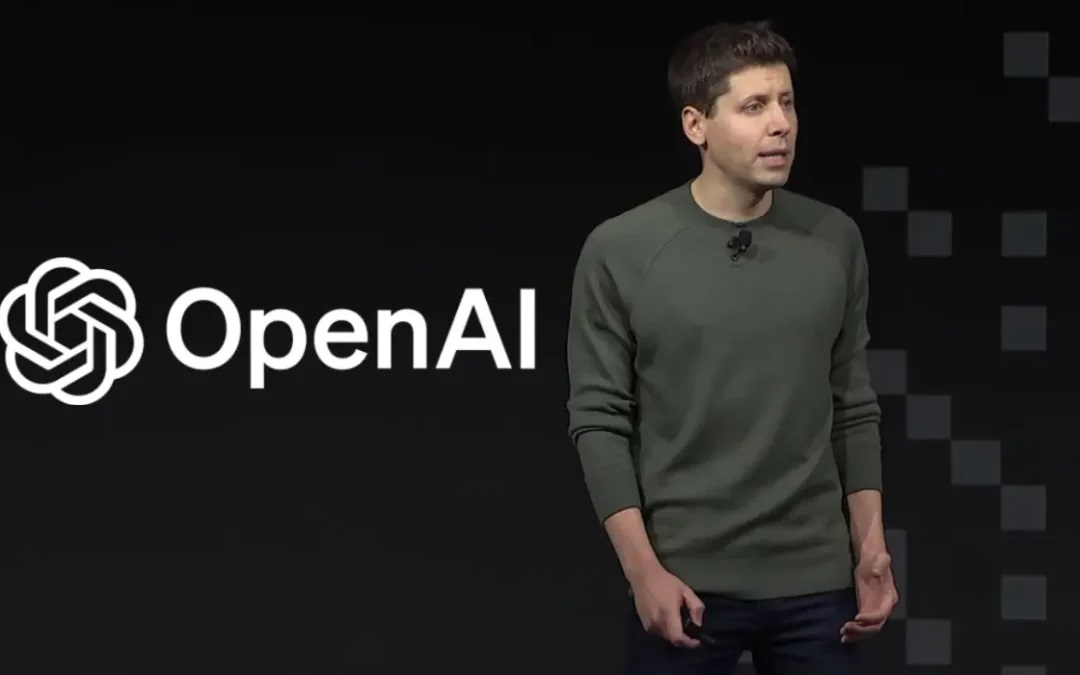
OpenAI CEO Sam Altman has laid out a vision that sounds more like a feat of industrial engineering than software development. In his blog post 'Abundant Intelligence,' Altman announced the company’s objective to establish a 'factory' capable of producing one gigawatt of new AI infrastructure every week. This massive undertaking aims to address the looming compute shortage that threatens to cap the development of future artificial intelligence models.
The plan is not merely about stacking GPUs; it involves a vertical integration of chips, energy production, physical construction, and robotics. Altman has described the effort as potentially the 'coolest and most important infrastructure project ever,' emphasizing that while the execution will be notoriously difficult, it is a necessary evolution to keep pace with global demand.
Facing the Energy Bottleneck
The primary hurdle for this ambitious roadmap is not silicon, but electricity. The energy appetite of modern AI models is growing faster than almost any other sector, including electric vehicles and hydrogen. As data centers proliferate, they are effectively redrawing the global energy map, forcing utility companies to rethink how they manage power grids.
- Infrastructure focus: A mix of chip fabrication, data center construction, and power generation.
- Geographic priority: Altman has explicitly stated a desire to build much of this infrastructure within the United States.
- Short-term vs. Long-term: While Altman remains optimistic about solving power generation challenges, he has publicly acknowledged concerns regarding short-term implementation.
- Public sentiment: There is a growing, measurable backlash against the physical presence of data centers in local communities.
Clearly, people hate data centers right now, at least.
— Sam Altman, in a cover story for Time
Navigating Backlash and Real-World Constraints
While the technological vision for OpenAI’s 'Stargate' and other infrastructure projects is grand, the societal cost is becoming a focal point of the conversation. Altman recently acknowledged that public sentiment toward data centers has deteriorated as the industry expands rapidly across the U.S. This opposition adds a layer of regulatory and social complexity that software-first companies rarely encounter.
Furthermore, the industry is balancing these expansionist goals with criticisms regarding AI safety and security. Critics have pointed out a perceived irony in calls for public help to solve AI-related cybersecurity issues when those same companies are rapidly accelerating the deployment of frontier models. For Altman, the path forward requires a 'miracle' of coordination between government, energy providers, and the tech sector to bridge the gap between AI’s current compute limitations and its long-term potential.