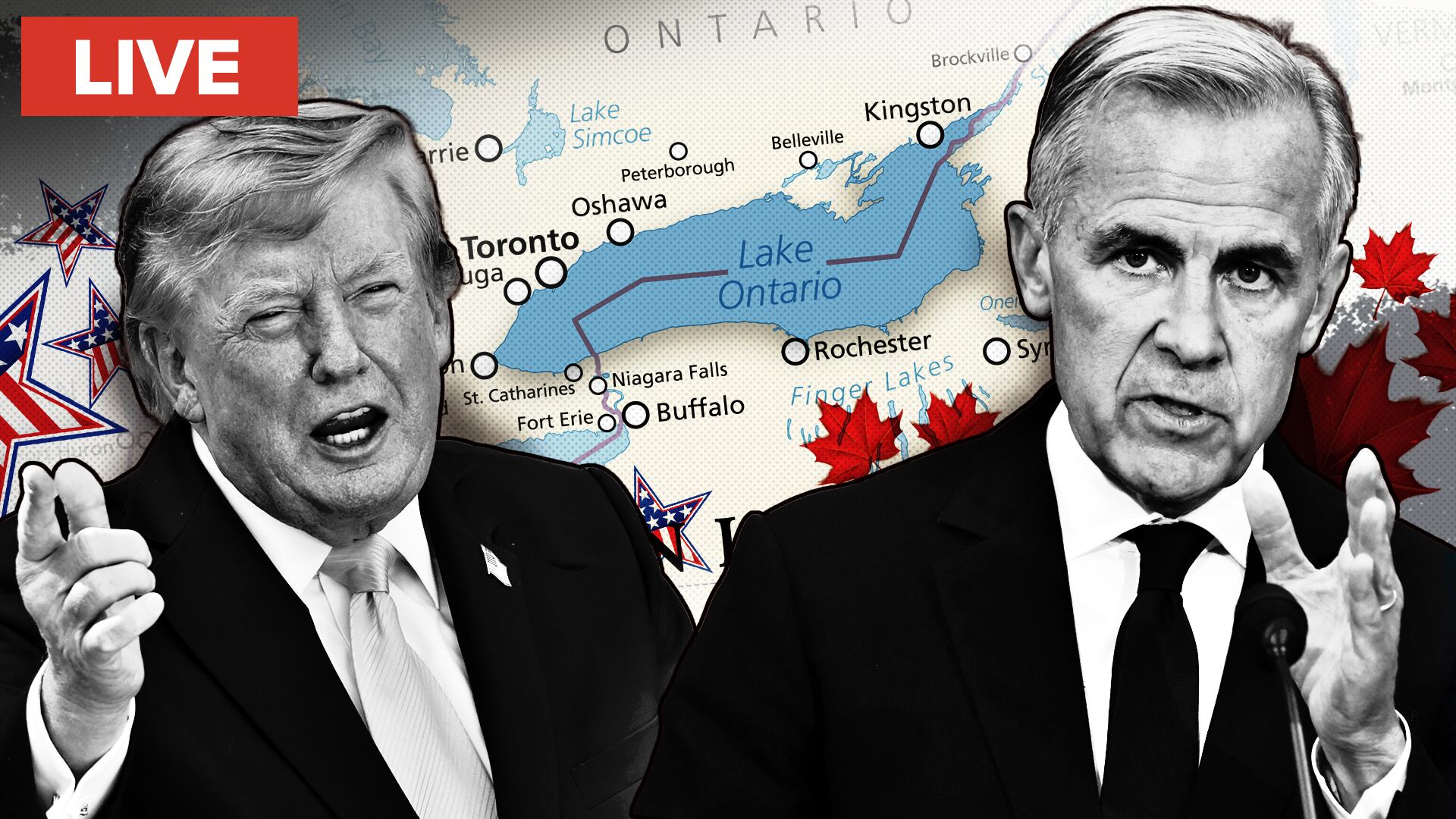
A Relationship at a Crossroads
The economic integration of the United States and Canada, long defined by a shared border and decades of free-trade agreements, is facing its most significant test in recent history. As President Donald Trump’s administration pushes ahead with new executive actions—including a controversial proposal to rename Lake Ontario as “Lake America”—the political theater has masked a very real, very disruptive economic trade war.
For Canadian businesses, the uncertainty is no longer a temporary hurdle; it has become a structural challenge. With Prime Minister Mark Carney navigating these turbulent waters, the question on everyone’s mind is whether this conflict will permanently decouple two of the world's most interdependent economies.
The Tariff Tipping Point
The escalation, which saw trade talks collapse over the weekend, has triggered a retaliatory response from Ottawa. Beginning September 8, Canada will impose tariffs ranging from 15% to 50% on a wide array of U.S. goods, including furniture, seafood, machinery, and iron and steel products.
- Increased costs for Canadian companies that rely on U.S.-imported components.
- Potential competitive advantages for domestic manufacturers as imported U.S. goods become more expensive.
- Broad pressure on consumer prices for items like refrigerators, tools, and apparel.
- A shifting export landscape, as Canadian firms reduce their reliance on the U.S. market.
Economic Implications and Future Outlook
While the U.S. administration frames these moves as necessary to extract concessions and protect American interests, the ripple effects are felt globally. Economists point out that Canada’s economic vulnerability is compounded by its reliance on the U.S. as its primary export destination. However, recent data suggests a trend: Canadian businesses are diversifying their supply chains and looking away from the U.S. to mitigate risk.
Retaliatory tariffs can pose a larger threat to Canadian businesses because there are about two businesses that import components from the U.S. for every one that exports finished products south of the border.
— Data via CFIB