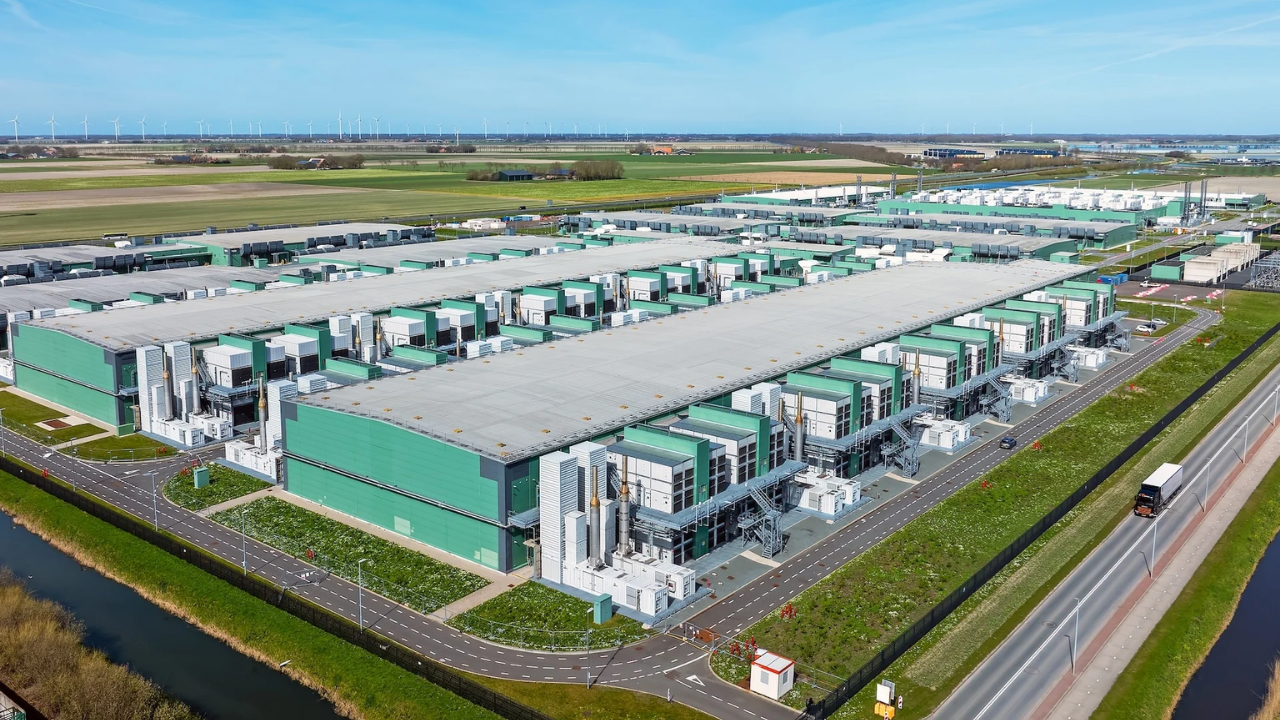
A Collision of Eras: Tech vs. Agriculture
In rural Texas, a quiet crisis is unfolding that pits centuries-old farming traditions against the high-octane demands of the artificial intelligence boom. When a family farm with a history spanning over a century faces eviction, it serves as a stark reminder of the physical footprint required by the digital age. A recent report revealed a Texas farmer was given just 60 days to vacate his property after his landlord sold 600 acres to make way for a Google data center.
This isn't an isolated incident. As AI companies scramble to build the massive infrastructure needed to train and maintain large language models, they are increasingly looking toward rural areas for land. However, this shift is raising difficult questions about land use, resource allocation, and the long-term viability of American agriculture.
Why Data Centers Are Heading to the Countryside
Data centers have historically been located in industrial or urban zones, but the sheer scale of modern AI infrastructure has changed the requirements. A large data center can require upwards of 1,000 acres, forcing developers to look for massive, contiguous plots of land—which are most readily available in agricultural zones.
- Land Availability: Large-scale operations need vast, flat tracts that are easier to purchase and develop in rural areas.
- Resource Strain: Data centers are notorious for high electricity demands and significant water usage for cooling systems, often competing directly with local farms for limited supplies.
- Infrastructure Competition: The need for robust power grids and water access can force local governments to prioritize industrial data centers over agricultural irrigation needs.
- Zoning Conflicts: Transitioning land from agricultural to industrial use can permanently remove fertile soil from the national food supply chain.
Balancing Innovation with Sustainability
The American Farm Bureau Federation (AFBF) has been vocal about the need for responsible development. While the growth of AI is an economic engine, there is growing pressure to protect farmland as a strategic asset. Solutions such as prioritizing brownfield sites or previously developed land over prime farmland are increasingly being championed by policy experts.
State and local policymakers play a critical role in balancing growth with long-term land preservation by recognizing farmland as a strategic economic asset.
— American Farm Bureau Federation
Ultimately, the tension between the AI revolution and rural survival suggests that the 'cloud' is not as ethereal as we think. It rests on physical ground, requires massive amounts of water, and relies on energy infrastructure that can reshape the future of rural communities for decades to come.