A New Eye on the Cosmos
On August 30, NASA is set to launch the Nancy Grace Roman Space Telescope, an observatory engineered to provide unprecedented survey capabilities. By capturing vast areas of the sky with high precision, the telescope is poised to become a cornerstone of modern astrophysics, offering researchers the tools to explore the dark and distant reaches of our universe.
Why the Roman Telescope Matters
The Roman Space Telescope is not just another instrument; it is a 'survey machine' designed for scale. While previous telescopes have excelled at deep-field, narrow-focus observations, Roman is built to map the cosmos on a massive scale. This ability allows scientists to tackle two of the most elusive subjects in science:
- Dark Energy: Investigating the mysterious force that is accelerating the expansion of the universe.
- Exoplanets: Searching for planets beyond our solar system and characterizing their atmospheres.
- General Astrophysics: Providing data that supports a wide range of investigations, from the formation of galaxies to the distribution of dark matter.
Technical Prowess and Future Implications
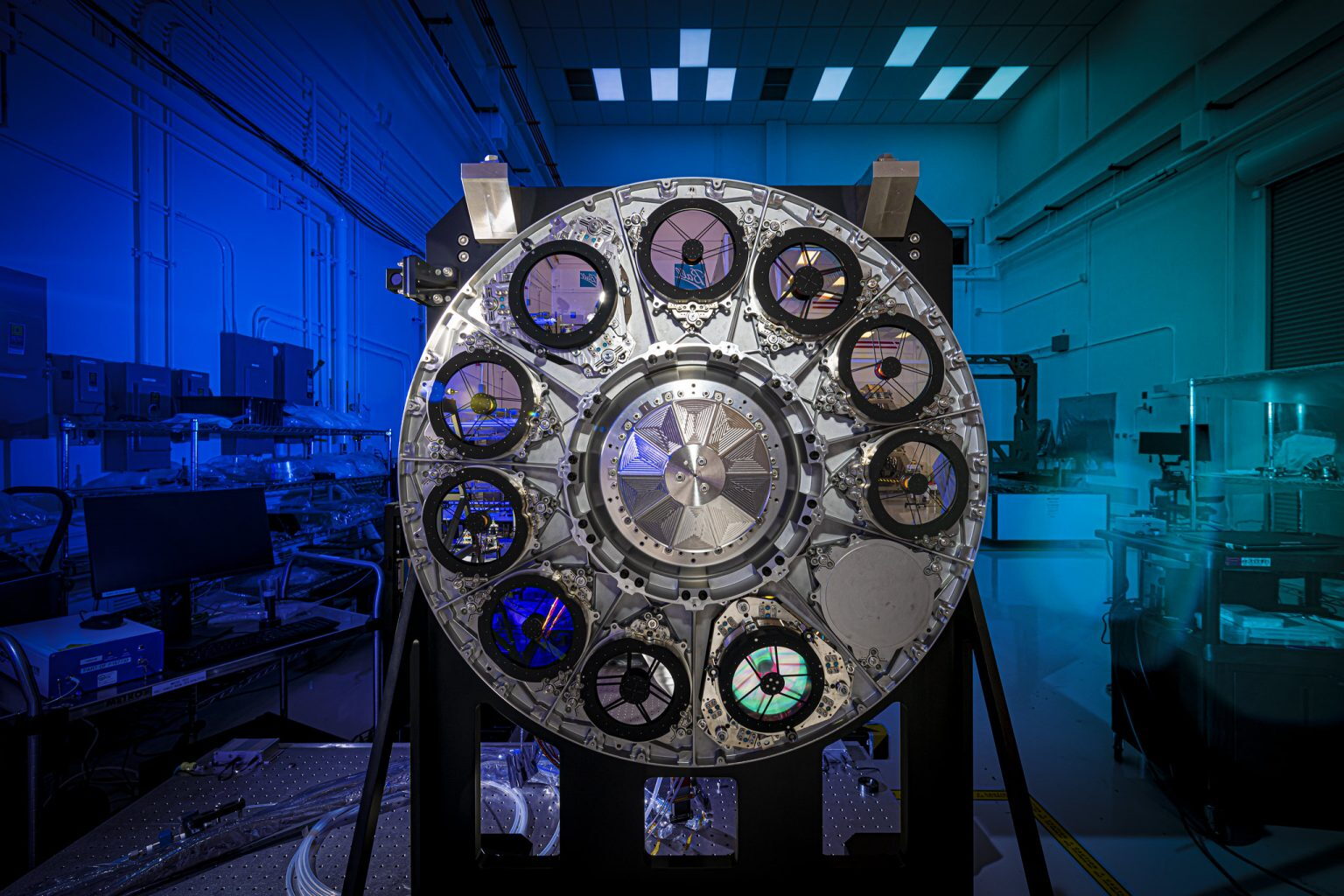
At the heart of the observatory is the Wide Field Instrument (WFI), which will facilitate core community surveys. Furthermore, the telescope features a specialized coronagraph, a technological leap that enables the direct imaging of exoplanets—a task that is notoriously difficult due to the overwhelming glare of host stars.
The mission offers groundbreaking and unprecedented survey capabilities for dark energy, exoplanet, and general astrophysics.
— Independent Review of the Roman Project
With its upcoming launch, the mission will enter its commissioning phase, where NASA will verify observatory performance and pointing stability. Once fully operational, the data returned by Roman will likely influence astrophysical research for decades, providing the scientific community with a deeper, more detailed map of our celestial neighborhood.