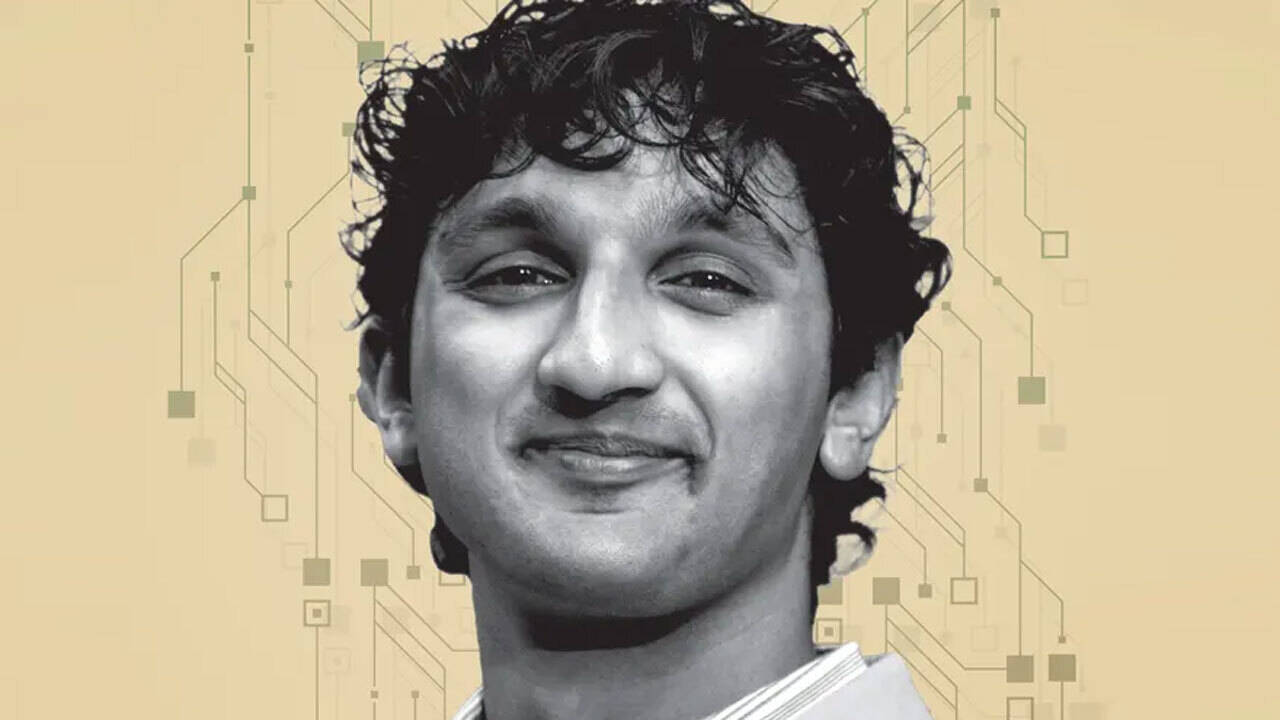
The New Face of AI Leadership
For years, the narrative surrounding AI was almost exclusively centered on the engineers and researchers building the models. However, as artificial intelligence begins to power everything from life-saving surgical procedures to high-stakes legal outcomes, the focus is shifting. The most influential voices in the field today are increasingly coming from outside the engineering department.
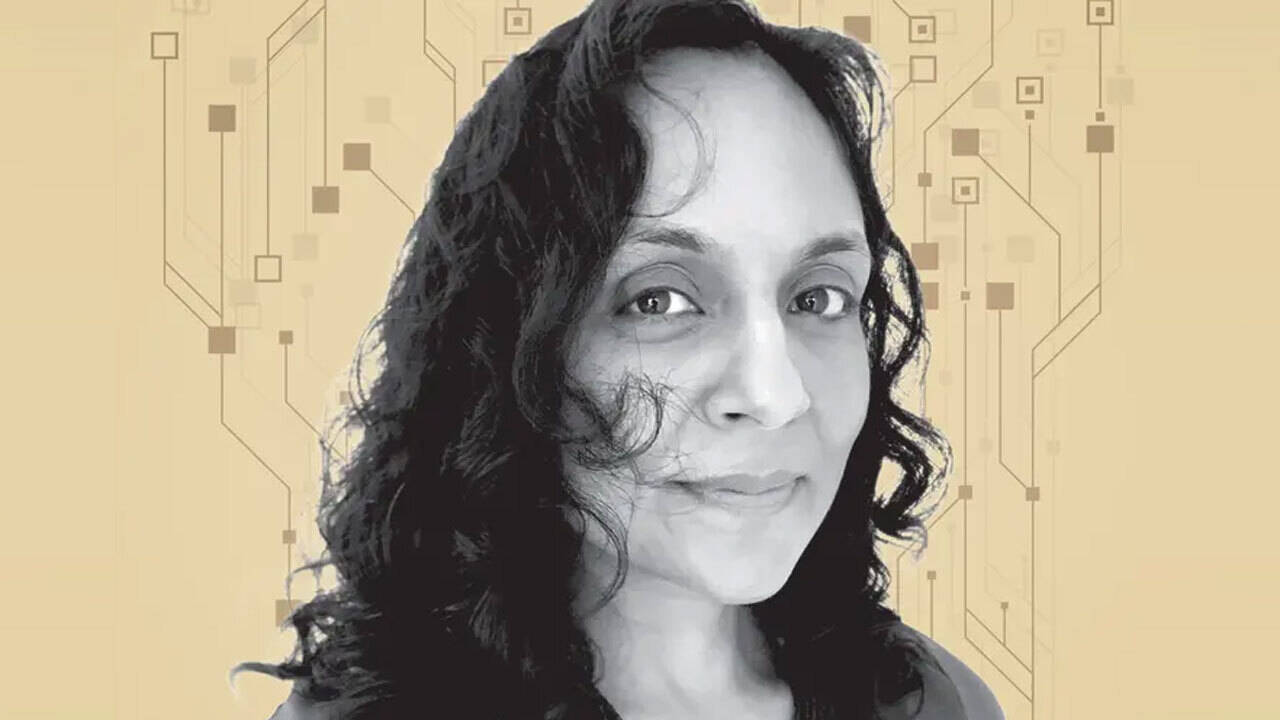
This year’s recognition of figures like Sunny Gandhi and Meetali Jain in the 2026 TIME100 AI list underscores a fundamental shift in the industry: the rise of the AI governance and ethics specialist. These roles, once peripheral, are now becoming central to the development and deployment of high-stakes AI technologies.
AI in the Operating Room: Safety Meets Innovation
The real-world necessity of this oversight is best illustrated in healthcare. Surgeons at University College London Hospital recently completed the world’s first brain surgery assisted by a real-time AI system. The AI acted as an 'expert second pair of eyes,' identifying critical blood vessels and nerves during the removal of a pituitary tumour.
- Real-time navigation: The AI analyzed live endoscopic video to guide surgeons through complex anatomy.
- Human-in-the-loop: Doctors maintained complete control, using the AI as an advisory tool rather than a replacement.
- Patient outcomes: The patient reported significantly improved vision and energy following the procedure.
While the surgery was a success, it highlights the importance of the safeguards experts like Sunny Gandhi advocate for. When AI enters critical systems where a mistake can have permanent consequences, the technical ability of the model must be matched by robust regulatory and ethical frameworks.
Why Governance Is the New Growth Industry
The demand for professionals who understand the intersection of law, policy, and AI is skyrocketing. Organizations are facing pressure to prove that their systems are transparent, fair, and secure. This has created a vacuum for specialists who can bridge the gap between complex algorithmic outputs and societal requirements.
The growing demands for security and ethical responsibility in AI development are shaping the job market of the future: there is demand for specialists who not only develop and implement AI systems, but can also ensure their security and set ethical guidelines.
— PALTRON Insights
Whether through the lens of legal accountability, as championed by figures like Meetali Jain, or through public-interest advocacy, the focus is clear: technology can no longer be evaluated by performance metrics alone. As we look toward the future, the 'human' side of the AI equation—governance, ethics, and policy—will be just as vital as the code itself.