A New Eye on the Universe
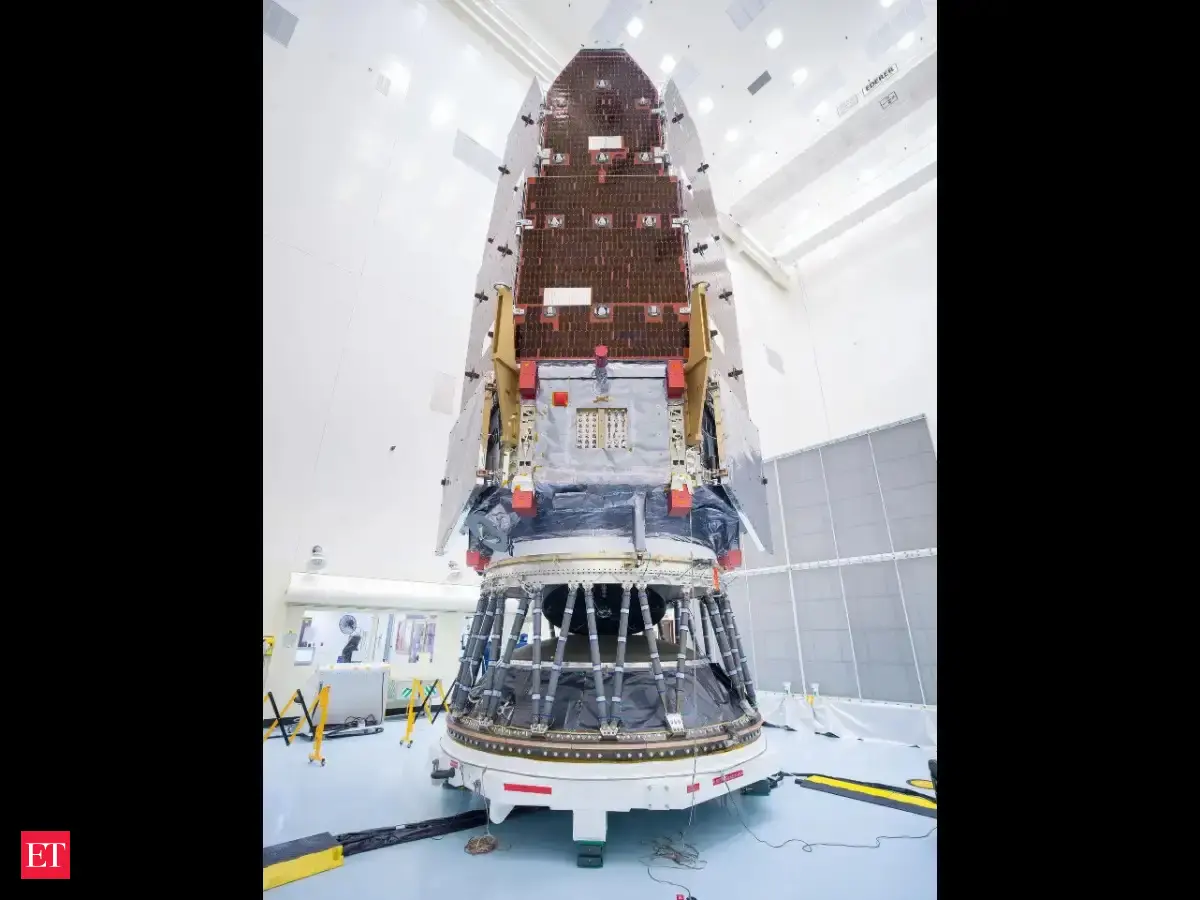
This weekend, NASA prepares to launch its latest flagship observatory: the Nancy Grace Roman Space Telescope. Named in honor of the 'mother of the Hubble Space Telescope' and NASA’s first chief astronomer, the mission is designed to pick up where its predecessors left off, providing a significantly wider, faster, and more detailed view of the cosmos.
While the James Webb Space Telescope (JWST) excels at deep, narrow looks at specific targets, the Roman Space Telescope is built for scale. Its primary 2.4-meter mirror—matching Hubble in size—is paired with a Wide Field Instrument that grants it a field of view at least 100 times larger than Hubble’s. This capability allows the telescope to survey the sky up to 1,000 times faster, mapping billions of cosmic objects in a fraction of the time.
Mission Goals: Dark Energy and Exoplanets
The Roman mission isn't just about taking wide-angle photos; it is a precision instrument designed to tackle fundamental astrophysics questions. Scientists have identified three primary pillars for the mission:
- Dark Energy: Investigating the mysterious force driving the accelerated expansion of the universe.
- Dark Matter: Mapping the distribution of invisible matter across galactic structures.
- Exoplanet Census: Using gravitational microlensing to discover and characterize thousands of planets orbiting distant stars.
- Direct Imaging: Utilizing a high-tech Coronagraph Instrument to block starlight, allowing researchers to see exoplanets and planet-forming disks directly.
The Legacy of Nancy Grace Roman
The telescope’s namesake, Nancy Grace Roman, was a trailblazing American scientist whose advocacy for space-based observation made modern missions like Hubble possible. By naming this new flagship after her, NASA honors the woman who championed the idea of looking at the universe from above Earth's hazy atmosphere.
With a field of view at least 100 times larger than Hubble’s, Roman will survey the sky up to 1,000 times faster than Hubble can while maintaining similar sensitivity and infrared resolution.
— NASA Science Mission Directorate
Data from the mission will be available to the global science community almost immediately after processing. Through a competitive General Investigator program, researchers from around the world will use Roman’s unprecedented capabilities to peer into the evolution of galaxies and the history of our own solar system.