
A Market in Consolidation
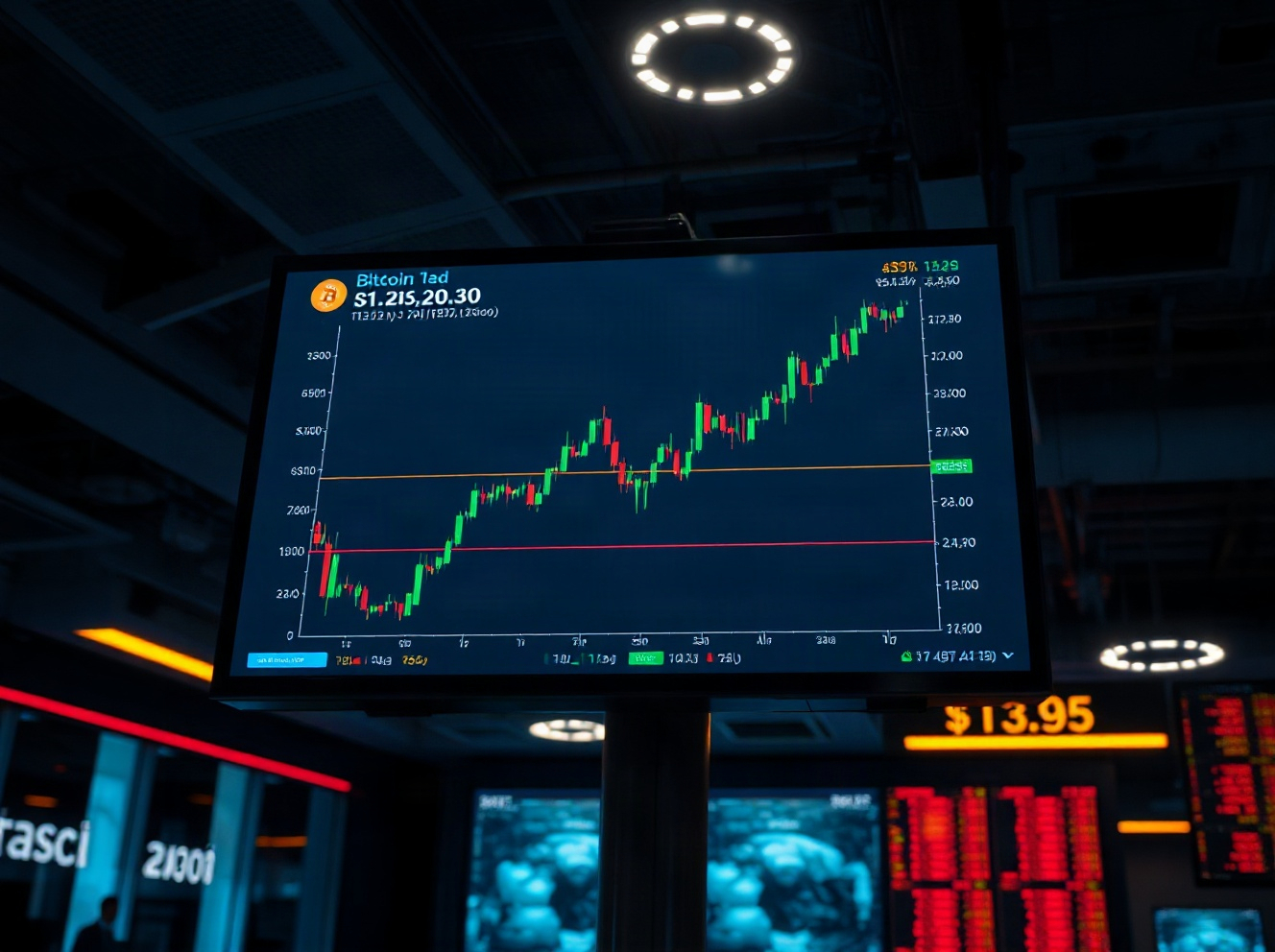
The cryptocurrency market is once again looking at Bitcoin to set the tone, but the leading asset is hitting a wall. Recent reports indicate that Bitcoin is struggling to maintain momentum above the $80,000 mark, facing a stubborn resistance zone that extends up to $82,500. According to market analysts, including those observing past exchange dynamics, the asset may remain rangebound for several weeks as it attempts to digest current selling pressure.
Macro Drivers vs. Market Sentiment
The current price action isn't occurring in a vacuum. Experts point to a shift in how Bitcoin is perceived by global investors. Rather than purely speculative growth, Bitcoin is increasingly trading as a hedge against macroeconomic instability. James Butterfill of CoinShares notes that the rally has been primarily driven by macroeconomic factors, including a weaker dollar and concerns over US government debt sustainability, rather than internal crypto-specific dynamics alone.
- Macroeconomic influence: Global liquidity and debt concerns are currently outpacing native crypto trends.
- Regulatory developments: Potential movement on the Digital Asset Markets Clarity Act is being closely watched by institutional investors.
- On-chain signals: Analysts are monitoring the ratio of supply in profit versus loss to identify potential cycle bottoms.
- Institutional appetite: Strong ETF inflows remain a foundational pillar for long-term price support.
What Lies Ahead?
While the resistance at $82,500 is a significant short-term hurdle, the broader outlook for 2026 remains cautiously optimistic. Factors such as continued corporate accumulation and the structural supply constraints introduced by the 2024 halving are still in play. However, volatility remains a constant. As traders watch the $80,000 support level, the consensus suggests that while the path to higher valuations exists, it is heavily dependent on future interest rate policies and continued institutional inflows.
Bitcoin isn’t a Web3 tech growth story. It's more of a monetary ecosystem than a consumer network.
— VanEck Research