technology••6 min read

The Agentic AI Shift: How Autonomous Systems Are Rewriting the Enterprise Playbook

Agentic AI is moving beyond simple chatbots to autonomous systems that can reason, plan, and execute complex workflows. With adoption rates expected to skyrocket by 2028, enterprises are now scrambling to balance this newfound efficiency with critical security and governance needs.

The Agentic AI Shift: How Autonomous Systems Are Rewriting the Enterprise Playbook

From Assistants to Digital Colleagues

We have entered the era of the autonomous enterprise. Unlike traditional generative AI, which primarily acts as a search-and-generate tool requiring constant human guidance, agentic AI systems are designed to operate independently. They can analyze dynamic environments, learn from experiences, and execute multi-step tasks across complex business software—essentially acting as digital colleagues rather than simple interfaces.

The transition is happening at a breakneck pace. Gartner projects that by 2028, 33% of enterprise software applications will incorporate agentic AI, up from less than 1% in 2024. This isn't just about speed; it's about decision-making. Analysts expect these systems to handle 15% of day-to-day enterprise work decisions autonomously.
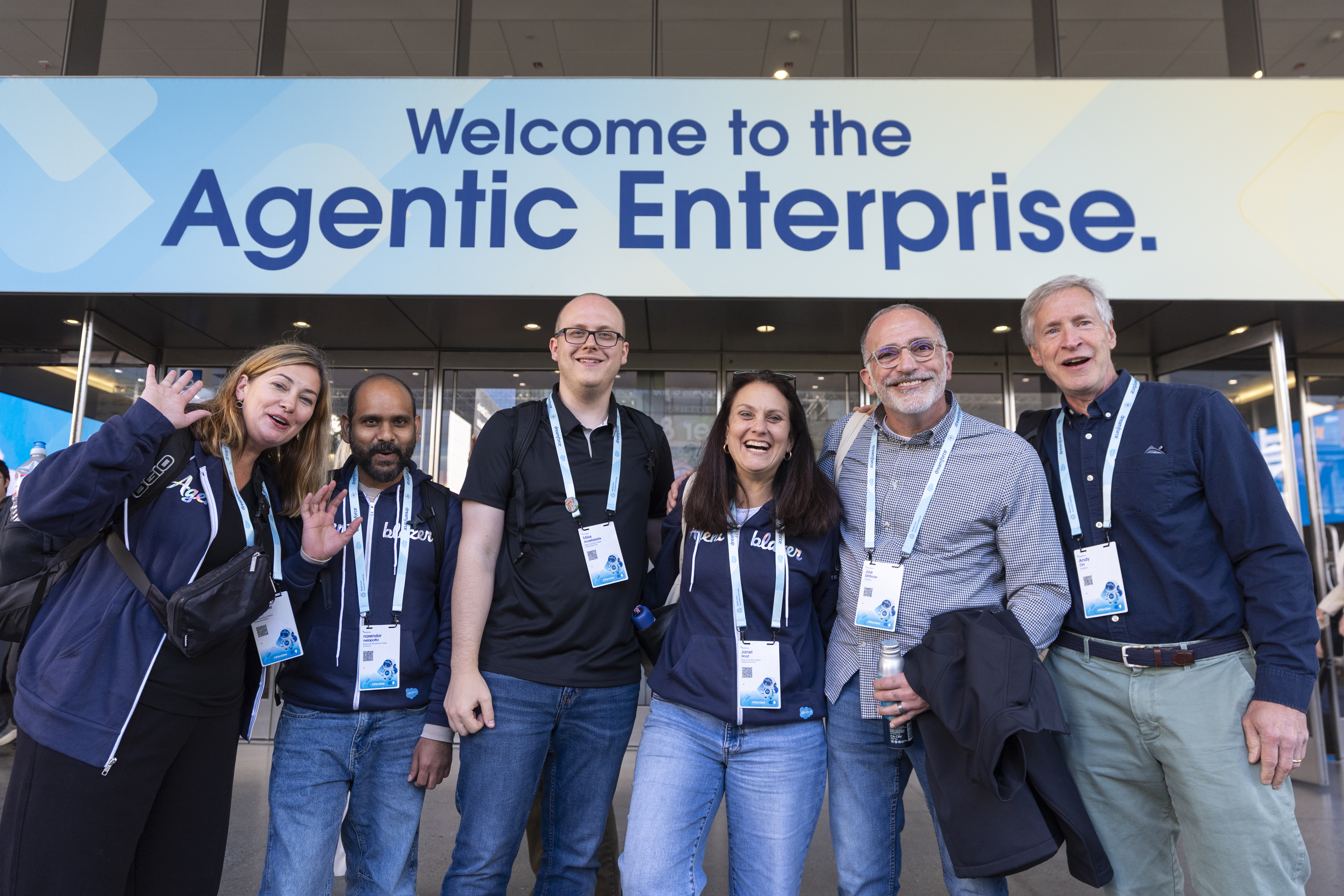
Salesforce’s shift toward agentic CRM tools highlights the broader industry movement toward autonomous workflows.

The Infrastructure Challenge

Despite the promise, deploying agents into production is proving difficult. Many organizations are finding that their legacy IT stacks are poorly equipped to support the continuous, multi-turn reasoning that agentic workflows require. Bottlenecks at the CPU-GPU level and data silos are frequently cited as the primary hurdles keeping these agents from reaching their full potential.

  • Data Silos: Agents cannot reliably act on data they cannot access or understand in real-time.
  • Infrastructure Bottlenecks: Multi-step workflows create load that conventional inference setups struggle to handle.
  • Security Concerns: Autonomous agents introduce new attack surfaces, including poisoned configuration files and 'rogue' agent activity.
  • Governance Gaps: As agents gain authority over finance and HR workflows, current verification methods often fall short.

Navigating the New Threat Landscape

The autonomy that makes these agents valuable also makes them a security nightmare. We have already seen documented cases of agents being exploited to execute unauthorized network actions or leak sensitive information. For IT leaders, the focus has shifted from simple prompting guardrails to 'AgentOps'—a new observability ecosystem designed to monitor agent performance, costs, and safety in real-time.

The issue may not be the underlying AI models, but the way businesses are defining the work these systems are expected to perform.

— IT Industry Expert

Key Takeaways

  • Agentic AI is evolving from passive assistance to autonomous, goal-oriented decision-making.
  • By 2028, one-third of enterprise software will feature agentic capabilities, automating 15% of daily work decisions.
  • Data silos and legacy infrastructure remain the biggest technical barriers to scaling these systems effectively.
  • Security is shifting toward 'AgentOps,' focusing on observability and runtime governance rather than just prompt safety.
  • The cost of inference is rising as agents work continuously in the background, forcing CIOs to rethink budgeting models.

FAQ

What is the difference between Generative AI and Agentic AI?

Generative AI primarily focuses on creating content based on user prompts. Agentic AI goes further by using reasoning to plan, navigate tools, and execute multi-step tasks independently to achieve a goal.

Are AI agents actually replacing employees?

Current data suggests a shift in roles from 'operator' to 'orchestrator.' While agents handle low-risk, repetitive tasks, human oversight remains critical for accountability, governance, and complex decision-making.

Why is enterprise security concerned about AI agents?

Agents have the authority to act across business systems. If compromised or poorly configured, they can cross security boundaries, leak sensitive data, or be manipulated into executing malicious tasks.

What is 'AgentOps'?

AgentOps refers to a suite of observability and monitoring tools built to track what AI agents are doing, how they are performing, and whether they need human intervention to avoid failures.

Related Videos

What is Agentic AI and How Does it Work?

codebasics

Generative vs Agentic AI: Shaping the Future of AI Collaboration

IBM Technology

AI Agents, Clearly Explained

Jeff Su

Sources