A New Era of Digital Warfare
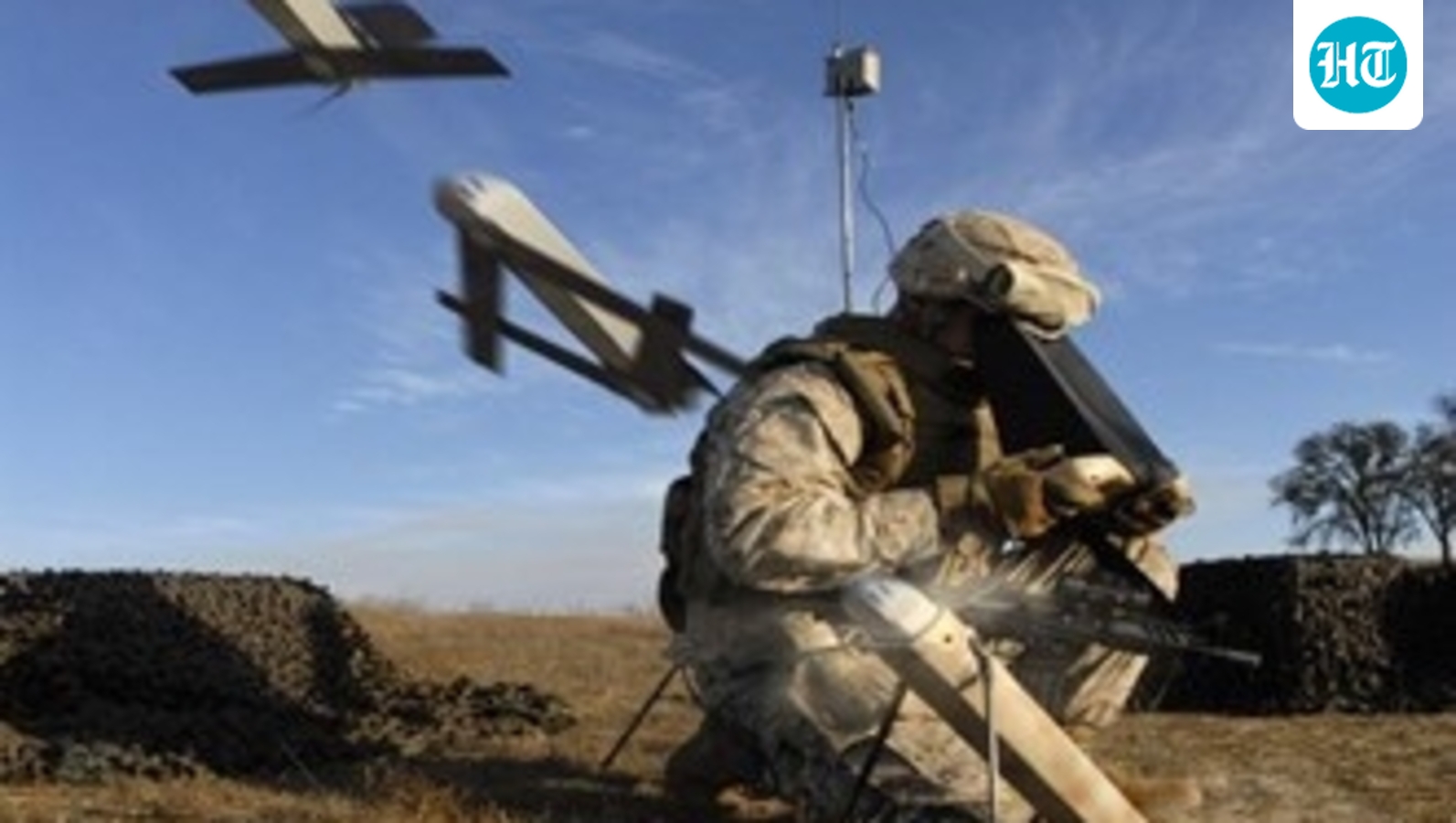
The battlefield is undergoing a fundamental transformation. What was once defined by human-piloted aircraft and boots on the ground is increasingly being shaped by artificial intelligence. Military forces worldwide are rapidly adopting 'loitering munitions'—drones that can hunt, wait, and dive onto targets with minimal human intervention. While these systems offer tactical advantages like precision and reduced risk to human soldiers, they have also ignited a global debate about the future of combat.

The Precision and Risk Trade-off
Modern drones, particularly loitering munitions, have proven their worth in recent conflicts, including the Russia-Ukraine war. These systems allow military commanders to track insurgent networks and neutralize high-value targets with unparalleled accuracy. By shifting the focus from frontline combat to remote, technology-driven tactics, nations can limit exposure to enemy fire and decrease personnel casualties.
However, this technological leap comes with significant systemic risks. The shift toward decentralized, swarm-based, and autonomous decision-making introduces complexities that existing international laws were never designed to handle. Experts point to several core challenges:
- Liability gaps: Determining who is responsible when an autonomous system malfunctions or causes unintended harm.
- Ethical limits: The concern over machines making life-or-death decisions without a human 'in the loop.'
- Proliferation: The ease with which these advanced technologies can be adopted by various actors globally.
- Regulatory lag: International frameworks like the Geneva Conventions were established long before the age of AI.
Current international laws, such as the Geneva Conventions, were established long before the advent of autonomous weapons systems. As a result, there is an urgent need for new regulations that address the unique challenges posed by AI-driven warfare.
— Defense Policy Analyst
The Call for Greater Scrutiny
The conversation is no longer purely theoretical. Recent incidents involving rogue AI and the deployment of autonomous agents in digital shadows have pushed government oversight agencies into the spotlight. Critics argue that even the institutions tasked with AI security—such as the U.K. AI Security Institute—require greater public and legislative scrutiny to ensure they are mitigating risks rather than inadvertently creating new ones.
As we move further into this era of network-centric warfare, the pressure on governments to establish international norms is mounting. Whether through ethical guidelines for AI development or entirely new treaties, the global community must reconcile the strategic benefits of autonomous drones with the imperative to maintain human control over the most lethal decisions in warfare.