A Half-Decade of Systematic Transformation
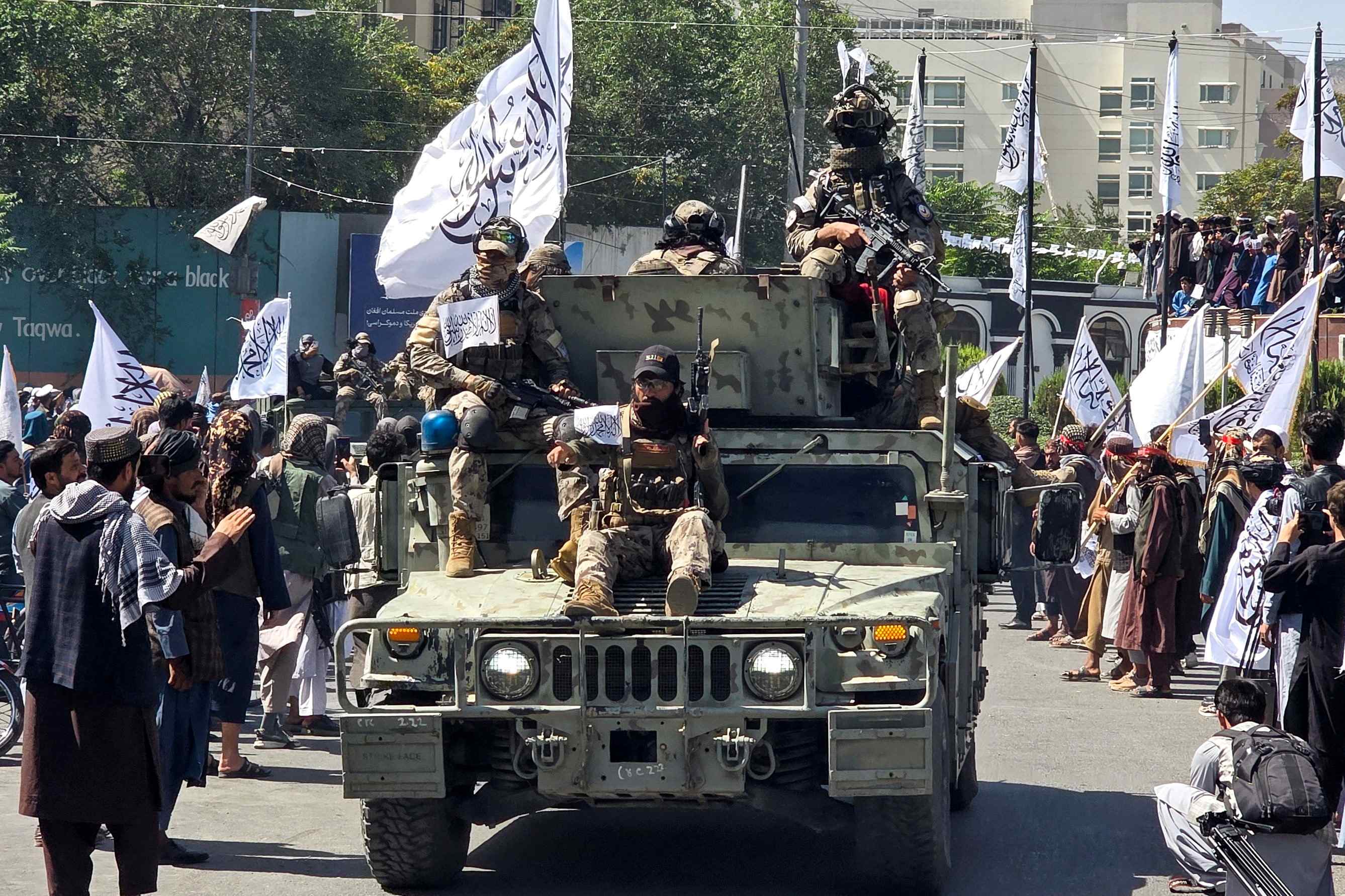
August 15, 2026, marked five years since the Taliban forcefully regained control of Afghanistan. What followed was not merely a shift in political leadership, but a rapid and calculated dismantling of the institutions designed to protect civil society, justice, and human rights. For the Afghan people, this period has been defined by a narrowing of possibilities and the institutionalized erosion of personal autonomy.
The Erasure of Women and Girls
Perhaps the most severe aspect of the last five years has been the systematic exclusion of women and girls from public life. According to UN Women, the de facto authorities have issued more than 100 decrees targeting women's fundamental rights. These restrictions cover nearly every facet of daily existence, including education, employment, healthcare access, and freedom of movement.
- Women have been barred from secondary education and universities.
- Severe restrictions on movement have left half of all Afghan women venturing outside their homes only once or twice a month.
- The Ministry of Women’s Affairs has been abolished, along with specialized prosecution units for gender-based violence.
- Women journalists have been largely pushed out of the media industry.
The Collapse of Independent Institutions
Beyond the social restrictions, the infrastructure of the state has been radically altered. Important protective bodies, such as the Afghanistan Independent Human Rights Commission, have been dismantled. This lack of institutional oversight has created a vacuum where accountability for human rights abuses—including arbitrary detention and reports of torture—is increasingly difficult to achieve.
The Taliban did not simply change Afghanistan’s laws. They dismantled many of the institutions through which Afghans had sought protection, justice, and accountability.
— Georgetown Institute for Women, Peace and Security
Media and the Shrinking Civic Space
The independent media landscape, once a growing part of Afghan civil society, has suffered significantly. Following the 2021 takeover, hundreds of media outlets were forced to close due to funding shortages and direct pressure. Journalists face a precarious environment marked by threats, beatings, and surveillance, making the documentation of the country's daily realities an increasingly dangerous pursuit for those who remain.