sports tech & strategy••5 min read

The CHL-NCAA Pipeline: How a Single Rule Change Reshaped College Hockey

The integration of Canadian Hockey League players into the NCAA has fundamentally altered the landscape of North American hockey. With nearly 34% of D1 freshmen now coming from CHL backgrounds, the traditional developmental pathway is seeing its most significant evolution in decades.

The CHL-NCAA Pipeline: How a Single Rule Change Reshaped College Hockey

A Seismic Shift in Hockey Development

For years, the choice for a young hockey player was binary: the major junior route via the CHL or the amateur path through the NCAA. That wall has crumbled. Following a landmark rule change, NCAA programs have aggressively opened their rosters to CHL players, triggering a talent migration that has reshaped the collegiate landscape in just a few short seasons.
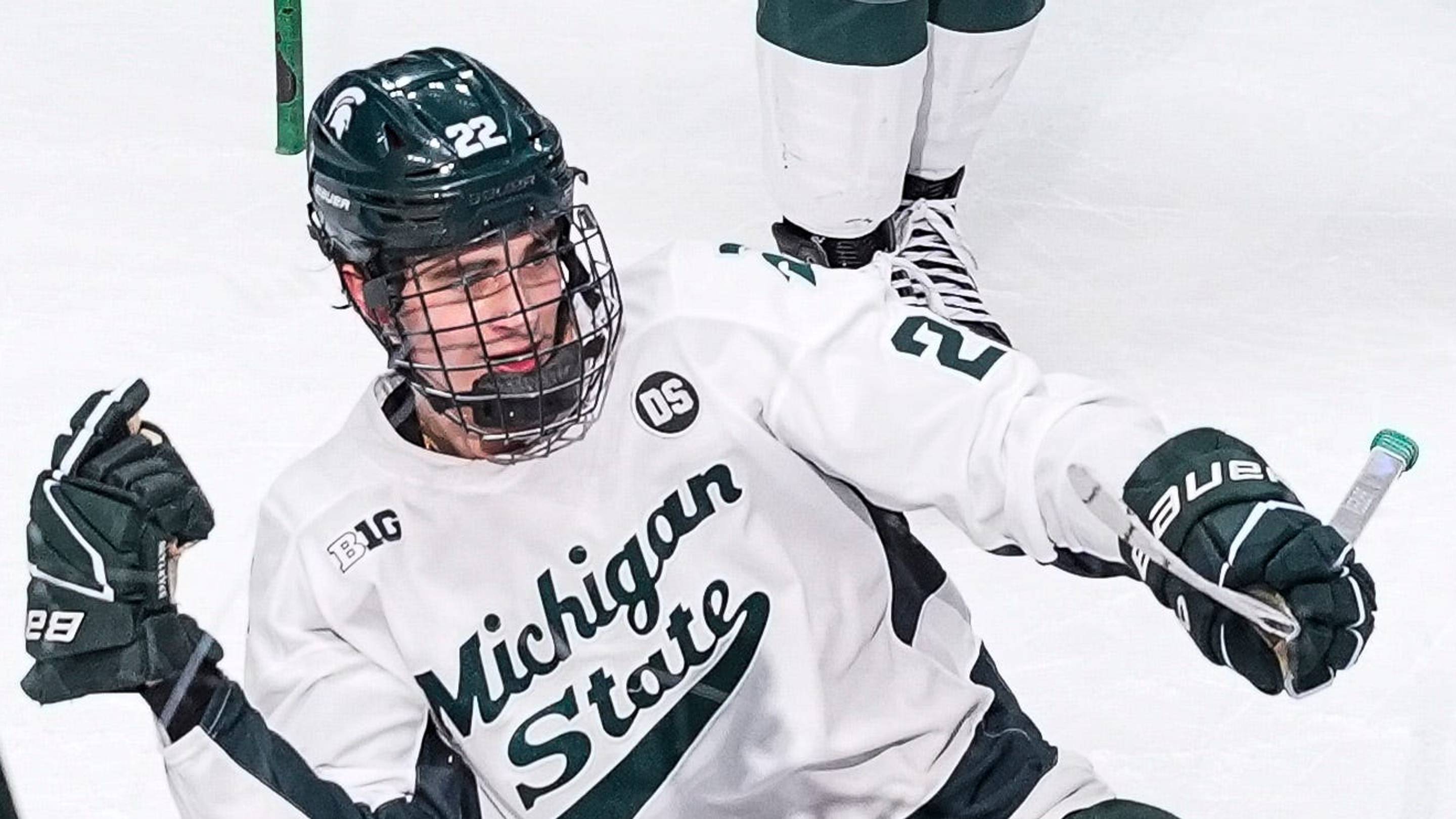
The evolving landscape of college hockey is creating new opportunities for elite young prospects.

The Numbers Behind the Transformation

The impact was immediate and massive. During the 2025-26 season, data revealed that 174 of the 516 freshmen across NCAA Division 1 hockey—roughly 34% of the entire class—arrived from the CHL. This influx represents a major departure from a time when CHL participation was strictly treated as a professional endeavor, rendering players ineligible for college competition.

  • Nearly 1 in 3 D1 freshmen now hail from CHL programs.
  • Increased competition for roster spots among traditional pipelines.
  • NCAA programs are leveraging brand recognition to attract top-tier talent.
  • A hybrid development model is emerging, blending college academics with major junior experience.

NCAA hockey would immediately recruit CHL players on an industrial scale. Capitalizing on resources and brand-recognition, the NCAA would target and secure many of the best 'underage' CHL players.

— The Hockey Think Tank

Challenges and Future Implications

While the infusion of talent has elevated the quality of play, it hasn't come without friction. The integration coincided with roster contractions in NCAA D1 hockey due to broader structural shifts like the House settlement. This has led to the displacement of players from traditional developmental channels, intensifying the competition for every roster spot. Looking forward, the bridge between the CHL and NCAA is now permanent, signaling a future where the most elite prospects are no longer forced to choose a single path early in their careers.

Key Takeaways

  • CHL players are now eligible for NCAA Division 1 play, ending the long-standing amateurism conflict.
  • Over one-third of the 2025-26 NCAA freshman class originated from CHL rosters.
  • This shift has created a more competitive recruiting landscape for all youth hockey pipelines.
  • NCAA programs are using their academic and developmental reputation to lure top-tier junior talent.
  • The transition has caused a temporary strain on roster availability due to wider collegiate athletic budget and settlement constraints.

FAQ

Can CHL players now play in the NCAA?

Yes, rule changes have allowed CHL players to maintain NCAA eligibility, which was previously impossible due to the 'professional' status of major junior leagues.

How much of the NCAA freshman class is from the CHL?

During the 2025-26 season, approximately 34% of all NCAA Division 1 freshmen were recruited from CHL programs.

Why did the NCAA change these eligibility rules?

The shift aims to modernize the collegiate pathway, allowing elite players to pursue both high-level development and a college education.

Is this hurting traditional NCAA recruiting pipelines?

The influx of CHL players has intensified competition for roster spots, leading to displacement for some players from traditional prep and junior programs.

Related Videos

The NCAA-CHL Rule Change - Impact on Hockey 1 Year Later

Advancement Hockey Agency

NCAA Adopts Rule Making CHL Players Eligible

FloHockey

BREAKING: Major Junior-NCAA Hockey Rule Change

Advancement Hockey Agency

Sources