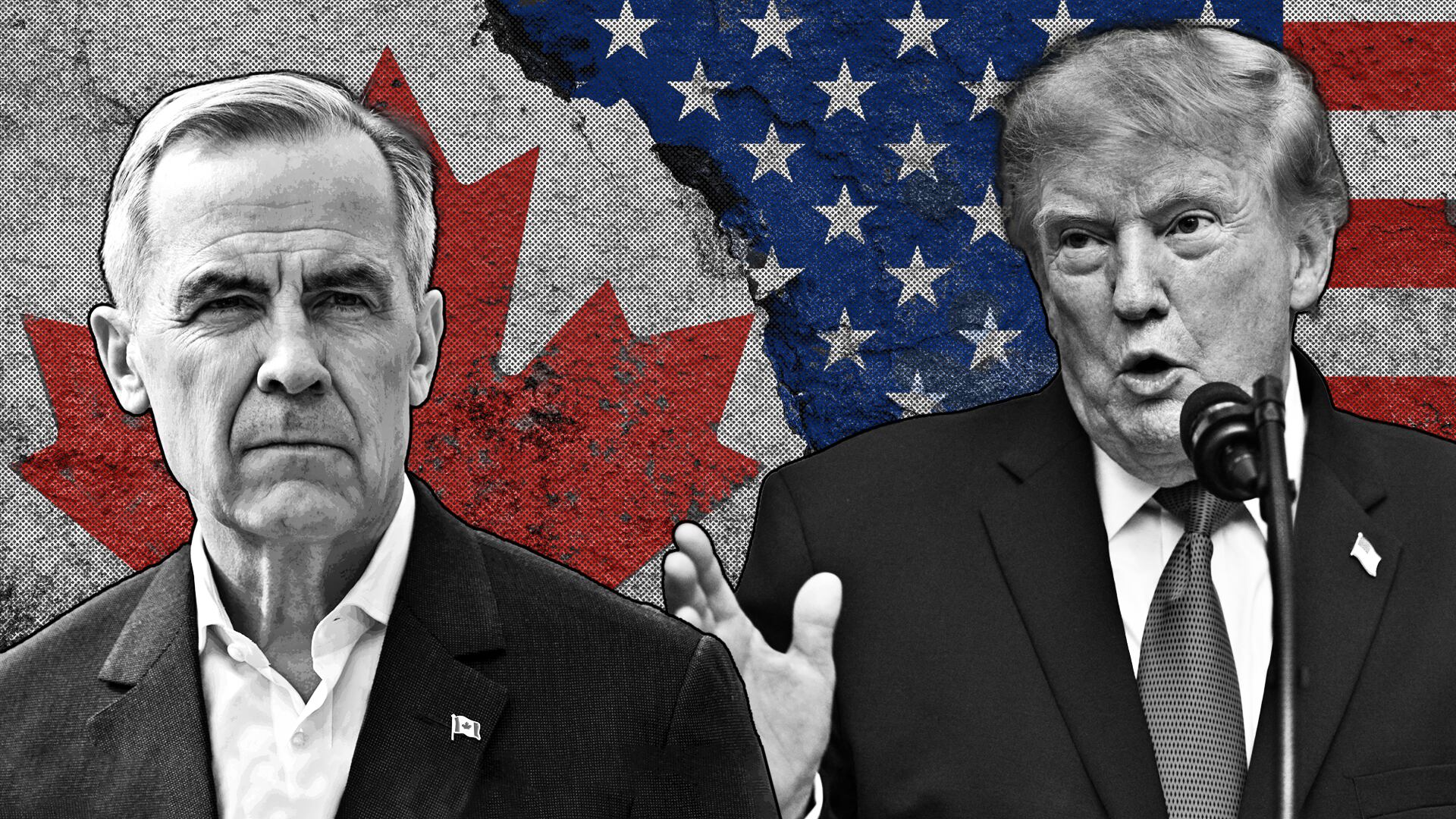
A Partnership Under Pressure
The economic relationship between the United States and Canada—historically one of the world's most cooperative alliances—is currently facing its most severe test in years. Following the collapse of recent trade negotiations, the U.S. has moved forward with 50% tariffs on a substantial list of Canadian products. The standoff has effectively stalled progress on a deal that officials on both sides had been working to finalize.
Why Negotiations Fell Apart
The breakdown occurred late in the week, with both nations trading blame. U.S. Trade Representative Jamieson Greer stated that despite offering Canada preferential treatment, the talks were derailed by what he described as new demands and backpedaling by the Canadian delegation. Conversely, Prime Minister Mark Carney has maintained that the U.S. deal on the table would not have benefited Canadians, labeling it a 'bad deal' that failed to meet Canada's core needs regarding steel, aluminum, autos, and lumber.

Economic Implications and Retaliation
The impact of this trade war is expected to be significant, given the deep integration of the two economies. With $880 billion in goods and services traded between the countries last year, the introduction of 50% tariffs poses a direct cost to businesses and consumers alike.
- Prime Minister Mark Carney has committed to matching U.S. levies 'dollar for dollar' in a retaliatory strategy.
- Ontario Premier Doug Ford has expressed full support for the federal government's retaliatory stance.
- Economists warn that the tariffs could lower Canadian GDP significantly and potentially lead to a domestic recession.
- Industries including automotive manufacturing are expected to face sharp cost increases due to shared supply chains.
Tonight, Canada declined to finalize the trade deal under the terms agreed earlier this week. Despite the U.S. offer to Canada to receive the best treatment of any major exporter to our market, new demands and walk-backs of other commitments by Canada have upended the careful balance reached in the past days.
— Jamieson Greer, U.S. Trade Representative
Looking Ahead
The long-term consequences remain uncertain. While some measures in previous trade disputes were eventually scaled back or delayed, current tariff levels remain higher than at any point in recent history. As both nations brace for the economic fallout, the stability of the North American trade agreement itself is being called into question.