The High Price of Digital Growth
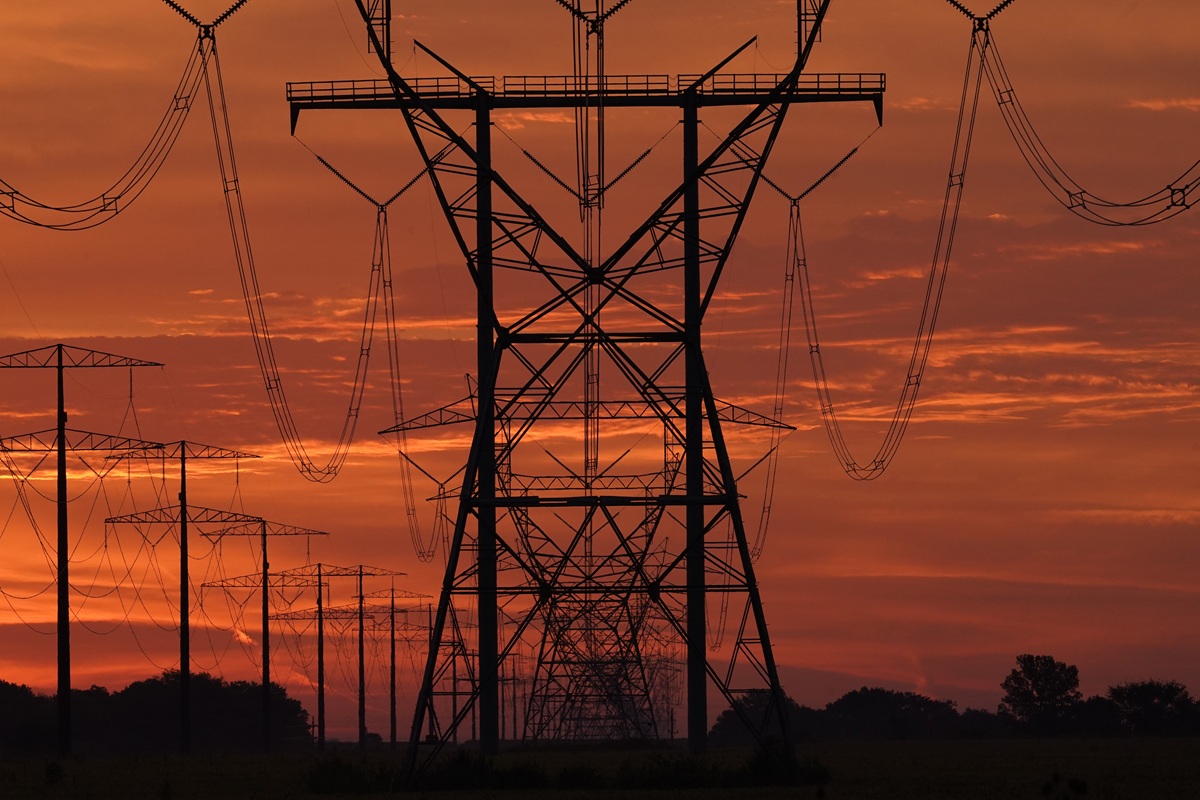
The global race to build more powerful AI and cloud infrastructure has hit a physical wall: the power grid. While data centers are essential for the modern digital economy, their massive electricity consumption has moved from a technical concern to a major political and community flashpoint.
From Northampton County, Pennsylvania, to the rural plains of Texas, residents are increasingly vocal about the impact of these industrial-scale neighbors. The concern is no longer just about noise or land use; it is about the fundamental reliability of the electricity that powers homes and businesses.
Why the Grid is Buckling
Data centers operate 24/7, requiring massive amounts of continuous power. In regions like Texas, the Electric Reliability Council of Texas (ERCOT) projects electricity load to skyrocket from 87 gigawatts in 2025 to 145 gigawatts by 2031, with data centers accounting for nearly half of that projected growth.
- Infrastructure strain: Existing power grids, already struggling with climate-driven weather extremes, are being pushed to their limits.
- Regulatory challenges: State and local governments are struggling to balance the desire for tech investment with the need for stable utility rates.
- Transparency issues: Citizens are demanding more accountability regarding energy capacity and who bears the long-term cost of grid upgrades.
If Bloomington-Normal government leaders decide they want to bring a data center to the community, they would need to demonstrate that the community has the energy capacity to sustain it. That remains an open question.
— WSIU News Report
A Political Tug-of-War
The tension has spilled into the legislative arena. In Texas, the debate over data center saturation has become a talking point in high-stakes Senate races. Critics argue that states have been too welcoming to developers without establishing a comprehensive plan for energy management, leading to a 'backtracking' phase where local ordinances are being drafted to curb further expansion.
Experts suggest that the solution lies in a mix of innovative grid management and stricter regulatory requirements. Interconnection rules, such as those being developed by grid operators like PJM, aim to manage how these large loads integrate into the system, but the challenge remains to provide sustainable growth without sacrificing grid reliability for the general public.