A Return to Social-First Design
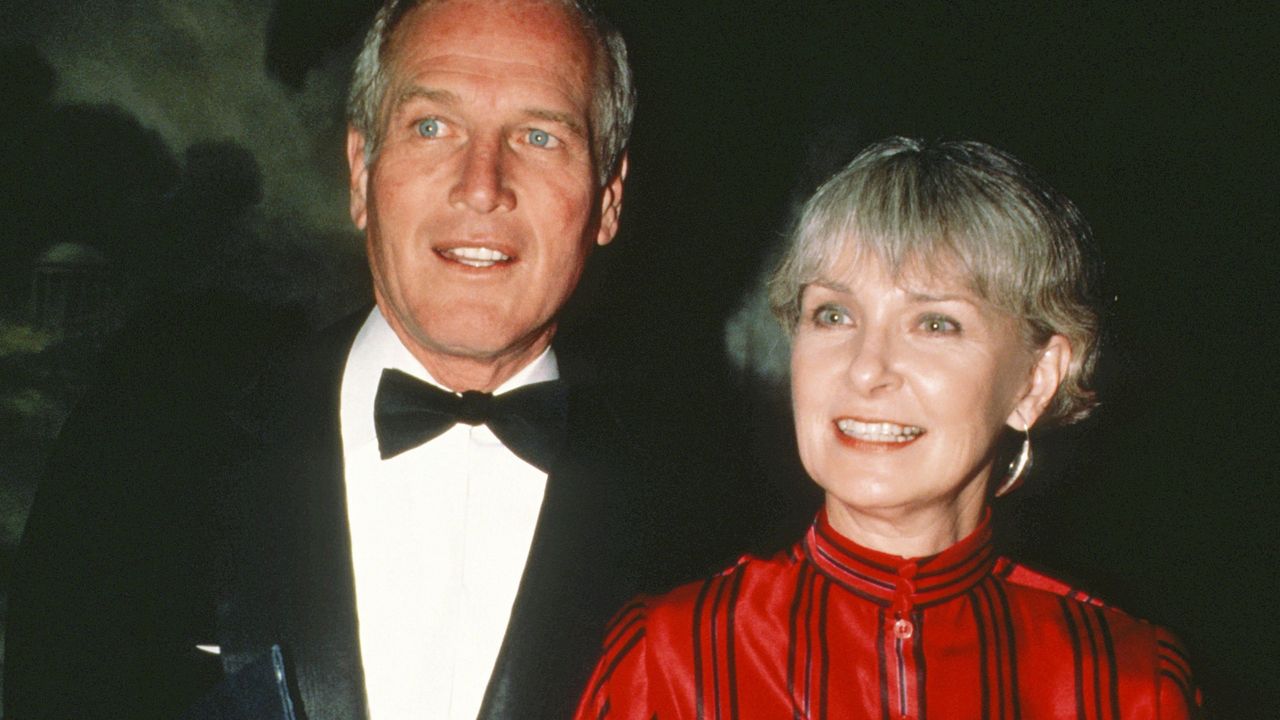
For years, the modern living room has been dominated by the television, with furniture oriented toward a flat screen rather than fellow humans. However, in 2026, a shift is occurring. Design experts are looking back to the 1958 Beverly Hills living room of Hollywood icons Paul Newman and Joanne Woodward as the blueprint for a new, more connected way of living.
The appeal of this retro layout lies in its focus on human interaction. By prioritizing conversational seating, homeowners are moving away from passive entertainment toward active social engagement, creating spaces that feel both casually elegant and deeply welcoming.
Decoding the 1950s Layout
The secret to replicating this look is found in the classic mid-century modern approach to spatial planning. It isn't just about the furniture you choose, but how you position it to create a sense of cohesion and intimacy.
- Floating furniture: Instead of pushing couches against walls, designers recommend 'floating' pieces to create a cozy, inward-facing grouping.
- Low-profile silhouettes: Utilize sleek, low-profile furniture with slender legs to maintain an airy, open feel without sacrificing comfort.
- Defined zones: Use area rugs to anchor your conversational cluster, helping to define the space even in open-concept floor plans.
- Warm color palettes: Complement the mid-century aesthetic with warm and bright color schemes to foster a welcoming, upbeat atmosphere.
Float your furniture to create a sense of a conversation pit with inward-facing seating.
— Design Expert
Why This Trend Matters in 2026
In an era where technology often dictates the flow of our homes, the return of the 'conversation room' represents a intentional pivot. By eliminating the screen as the focal point, homeowners are reclaiming their living spaces as environments for connection, hosting, and quiet reflection. It’s an evolution from 'wasted' formal space to a highly functional, social heart of the home.