business & economy••5 min read

Behind the Tyson Joslin Shutdown: Why Beef Prices Are Reaching a Breaking Point

The closure of Tyson Foods' beef plant in Joslin, Illinois, is not just a localized event; it is a symptom of a deeply consolidated industry struggling with supply shortages. As market pressures mount, experts warn these systemic disruptions could keep beef prices elevated for years to come.

Behind the Tyson Joslin Shutdown: Why Beef Prices Are Reaching a Breaking Point

A System Under Pressure

The recent closure of Tyson Foods' beef processing facility in Joslin, Illinois, has sent ripples through the agricultural sector, serving as a stark reminder of the fragile state of America’s food supply chain. While the loss of a major plant is a localized economic blow, industry experts argue that the move reflects a much broader, systemic crisis involving shrinking cattle supplies and intense market consolidation.
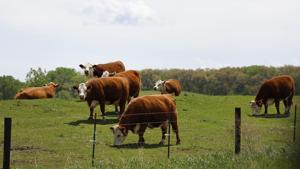
The Joslin plant closure has drawn attention from local communities and industry analysts alike.

The Role of Consolidation

At the heart of the debate is the extreme concentration of the U.S. meatpacking industry. According to data from Farm Aid, just four major companies currently control over 80% of the beef market. This level of consolidation has created a market environment where independent ranchers and farmers often struggle to compete.

  • Reduced competition limits the prices paid to farmers for their cattle.
  • Smaller processing capacity makes the supply chain more vulnerable to disruptions.
  • Increased market power allows large packers to influence cattle pricing structures.
  • Ongoing trends show a decline in the number of U.S. beef operations, dropping 15% between 2017 and 2022.

Why Consumers Are Feeling the Pinch

While packers have historically utilized scale to lower production costs—occasionally passing those savings to consumers—the current landscape is defined by volatility. Experts note that when domestic herd sizes shrink and import channels face disruption, the industry lacks the flexibility to keep prices stable. As a result, consumers are seeing the effects at the supermarket checkout, where beef prices have trended upward despite lower earnings for many independent cattle producers.

The long-term solution for rebalancing domestic beef production with domestic beef demand is to incentivize the expansion of the domestic cattle herd, which will only occur if America’s cattle farmers and ranchers have confidence that their prices will not be continually manipulated by dominant beef packers or continually undercut by excessive imports.

— Bill Bullard, R-CALF

Key Takeaways

  • The Tyson Joslin plant closure reflects widespread industry consolidation and shrinking cattle supplies.
  • Four major meatpacking companies control over 80% of the U.S. beef market.
  • Independent cattle operations saw a 15% decline between 2017 and 2022.
  • Supply chain vulnerabilities and import disruptions are contributing to persistent price hikes.
  • Industry experts suggest that domestic herd expansion is necessary for long-term price stability.

FAQ

Why did the Tyson Joslin plant close?

The closure is attributed to a combination of shrinking cattle supplies, rising beef prices, import disruptions, and long-term industry consolidation.

How many companies control the U.S. beef market?

Four large meatpacking companies control over 80% of the U.S. beef market, according to data from Farm Aid.

Are beef prices expected to drop soon?

Industry experts warn that the current pressures, including supply shortages and consolidation, could persist for years, keeping beef prices elevated.

How does industry consolidation affect cattle ranchers?

Consolidation often limits competition, which can lead to lower prices paid to farmers and ranchers for their livestock, potentially driving them out of business.

Related Videos

How 4 companies control the beef industry

Vox

The Big 3: The Beef Crisis and Why Imports Aren't Lowering Prices

Coalition for a Prosperous America

Sources