A System in Crisis
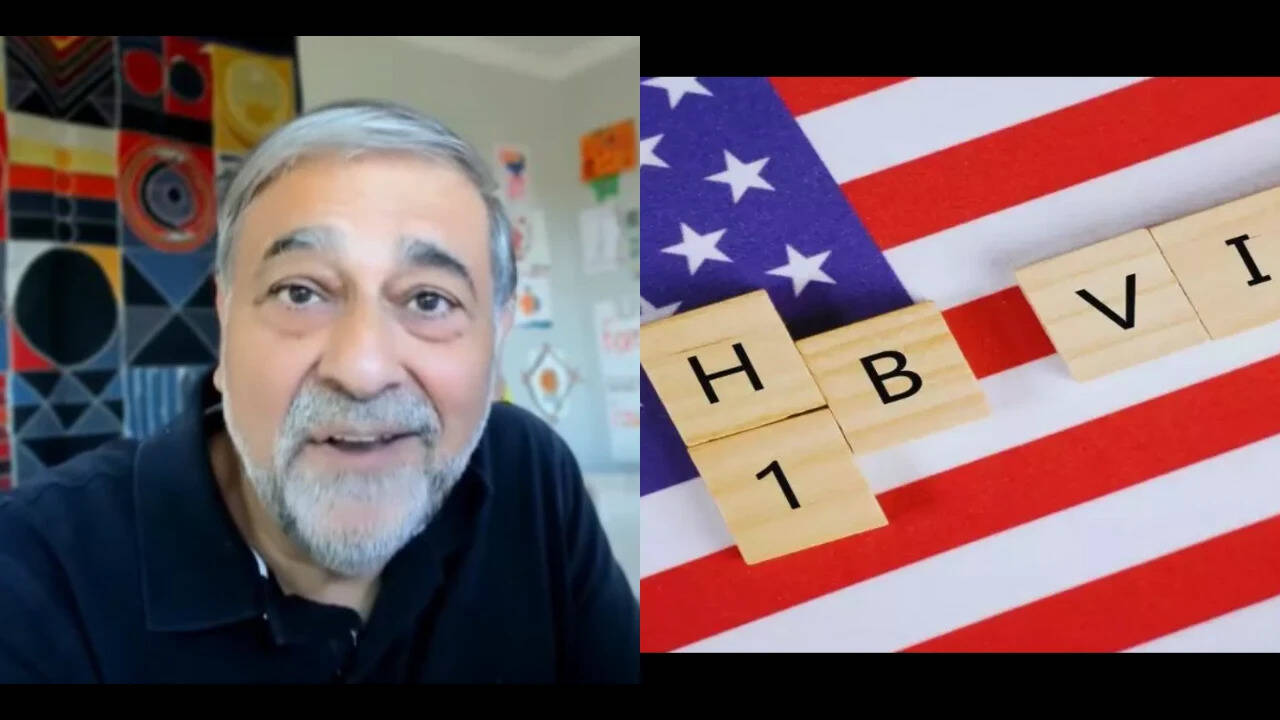
The debate surrounding US high-skilled immigration has reached a boiling point. Indian-American Silicon Valley investor Vivek Wadhwa has publicly called for the end of the H-1B visa program, arguing that the system has become a breeding ground for exploitation and inefficiency. Wadhwa asserts that while the visa once acted as a catalyst for American innovation, it now hampers the country’s competitive edge.
Wadhwa’s critique extends beyond bureaucratic hurdles. He alleges that a significant portion of H-1B applicants—estimated by him at 20-25%—rely on fraudulent credentials, including fake degrees. By calling for the program’s abolition, he advocates for a radical shift in how the US attracts global talent, moving away from corporate-sponsored labor toward an entrepreneur-first model.
The Case for a Startup Visa
The push to replace H-1B visas with a dedicated 'startup visa' is gaining traction among those concerned with the current direction of US tech policy. Critics of the current system, including various tech experts, argue that high fees—such as recent increases—create an 'insurmountable founder tax' that pushes innovation overseas. Instead of prioritizing temporary corporate workers, advocates argue the US should prioritize founders who create jobs and build new industries.
- Replacement of the H-1B system with a streamlined startup visa.
- Increased scrutiny on educational credentials to combat application fraud.
- A shift in focus toward entrepreneurial talent over traditional corporate sponsorship.
- Concerns regarding how current fee hikes affect global startup competitiveness.
The startup ecosystem that’s positioned to ‘catch’ this talent as they transition from employees to founders will thrive. The question becomes not whether this talent should come to America, but how they arrive and what they build once here.
— Tech industry observer, via Crunchbase
Future Implications for the US Tech Ecosystem
The tension between regulation and innovation remains at the heart of this discussion. While some argue that stricter visa controls help ensure qualified workers occupy key roles, industry experts warn that the current policy landscape could stifle growth in critical sectors like artificial intelligence. As the US faces increased global competition, the pressure to balance security with the need for top-tier talent will likely define immigration policy for the coming years.