An AI-Driven Financial Powerhouse
The semiconductor industry is currently navigating a complex economic environment, yet Taiwan Semiconductor Manufacturing Company (TSMC) continues to operate in a league of its own. In its most recent report, the world’s largest chipmaker announced July revenue of NT$467.58 billion—approximately $14.5 billion—marking a massive 45% increase compared to the previous year. This performance has outperformed the company's own ambitious projections, underscoring the raw power of the current AI-driven hardware cycle.
Why AI Demand is Remaking the Market
TSMC Chairman C.C. Wei has described demand for AI-related computing power as “extremely robust.” This isn't just corporate optimism; it is backed by the company's 2025 performance, where it manufactured over 12,000 distinct products for more than 500 customers. From high-performance computing (HPC) for data centers to consumer electronics, TSMC remains the essential bedrock of modern technology.
- Revenue surged 45% year-over-year, outpacing internal growth guidance.
- Market capitalization has climbed to approximately $2 trillion as of July 2026.
- Analysts maintain a 'Strong Buy' consensus, with an average price target of $554.45.
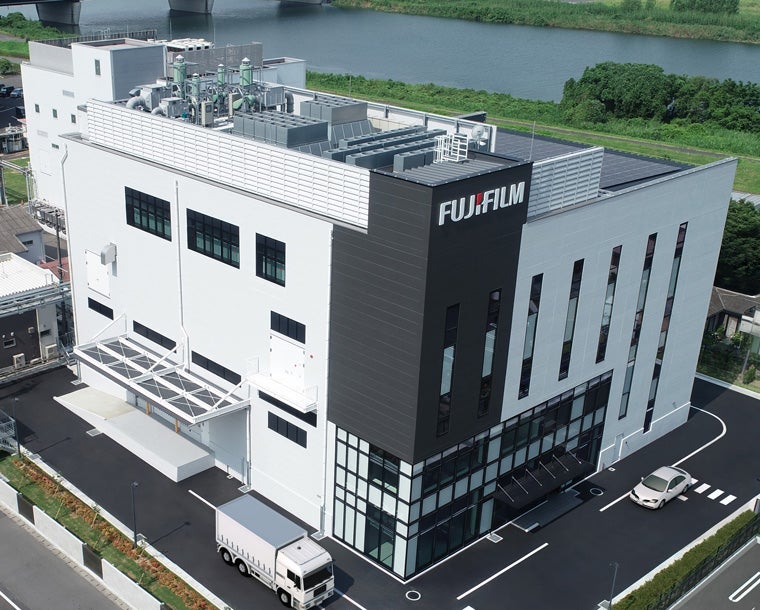
- Ongoing infrastructure expansion, such as Fujifilm’s new post-CMP cleaner plant, indicates continued long-term investment in the supply chain.
TSMC's forecast earnings growth of 21.8% per year is significantly outpacing broader market expectations, solidifying its position as a primary beneficiary of the AI revolution.
— Financial Analysis Summary
Looking Toward the Horizon
While the chip sector has seen periodic sell-offs due to broader economic concerns, TSMC’s fundamentals suggest a different narrative. With revenue forecast to grow at an aggressive pace through 2035, the company is effectively transitioning from a dominant manufacturer to a trillion-dollar pillar of the global digital economy. For investors and tech observers alike, the question is no longer whether AI demand is real, but how fast the manufacturing infrastructure can scale to meet it.