
The Shift to Sovereign AI Infrastructure
For years, the narrative around AI was dominated by Western giants focused on massive language models. However, 2026 has marked a fundamental shift in India’s strategy: the focus has moved from merely experimenting with existing tools to building sovereign infrastructure designed for local needs. India is no longer just participating in the AI race; it is engineering a distinct path forward.
This transition is fueled by a massive surge in investment. In Q1 2026 alone, the Indian AI ecosystem secured $3.94 billion in venture capital—a figure nearly six times higher than the total funding recorded in all of 2025. This influx of capital has led to the rise of new unicorns like Neysa and Sarvam, signaling that investors are betting heavily on India's ability to create localized, cost-effective, and impactful AI solutions.
Government Backing and Human Capital
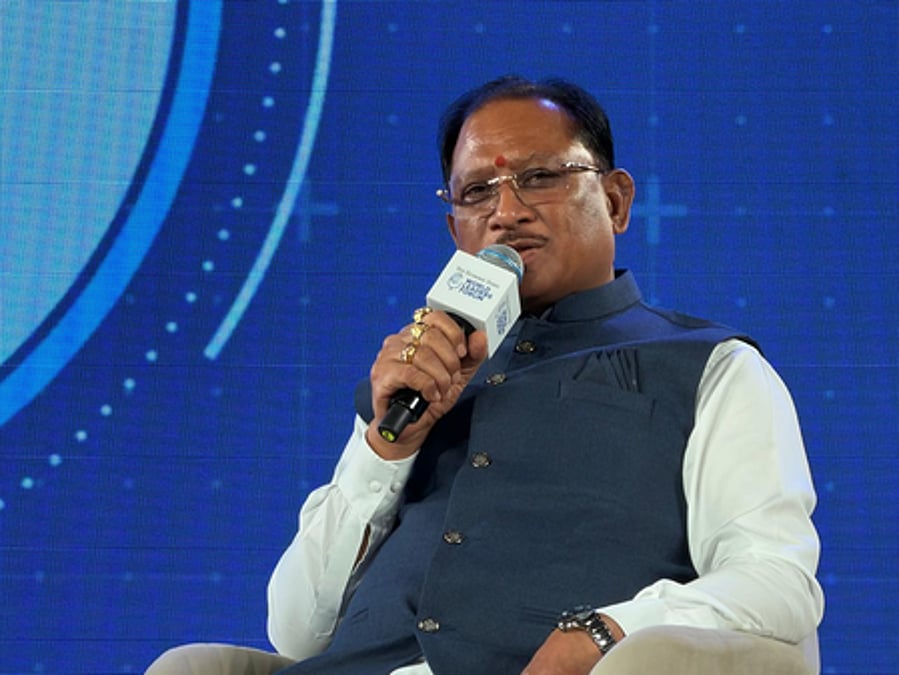
Infrastructure is only as powerful as the people who build it. Recognizing this, the Indian government has launched aggressive initiatives to bridge the talent gap. Recently, Chhattisgarh Chief Minister Vishnu Deo Sai announced plans to provide AI training to 6 lakh students, accompanied by the establishment of 100 new data labs. This grassroots approach ensures that the next generation of developers is equipped with the skills to maintain and advance India's burgeoning AI sector.
- Multilingual Depth: Indian AI companies are prioritizing Indic languages and voice-first interfaces.
- Cost Engineering: Startups are creating domain-specific models that reduce LLM operational costs by 60–97%.
- Sovereign Alignment: A strong focus on integrating with government-backed compute pools like the IndiaAI Mission.
- Market Growth: The Indian AI market is projected to reach $257.45 billion by 2035.
Why India’s Model Differs
While US firms often compete on model scale and broad English-language dominance, Indian companies are differentiating themselves through production-grade specialization. By focusing on 'cost engineering' and vertical AI—where AI is tailored to solve specific enterprise challenges—these firms are achieving higher adoption rates within the local market.
India is no longer ‘emerging’ in AI. It’s building sovereign infrastructure, and the top AI companies in India are now competing globally, not just locally.
— Tech industry analysts