technology & labor••5 min read

The Hyundai Strike: Why AI and Robotics Are Now Central to Labor Disputes

Hyundai workers have launched a major strike, citing concerns over wage stagnation and the rapid deployment of humanoid robots. This marks a pivotal moment where labor unions are formally challenging the pace of automation in automotive manufacturing.

The Hyundai Strike: Why AI and Robotics Are Now Central to Labor Disputes

A Collision Between Labor and Innovation

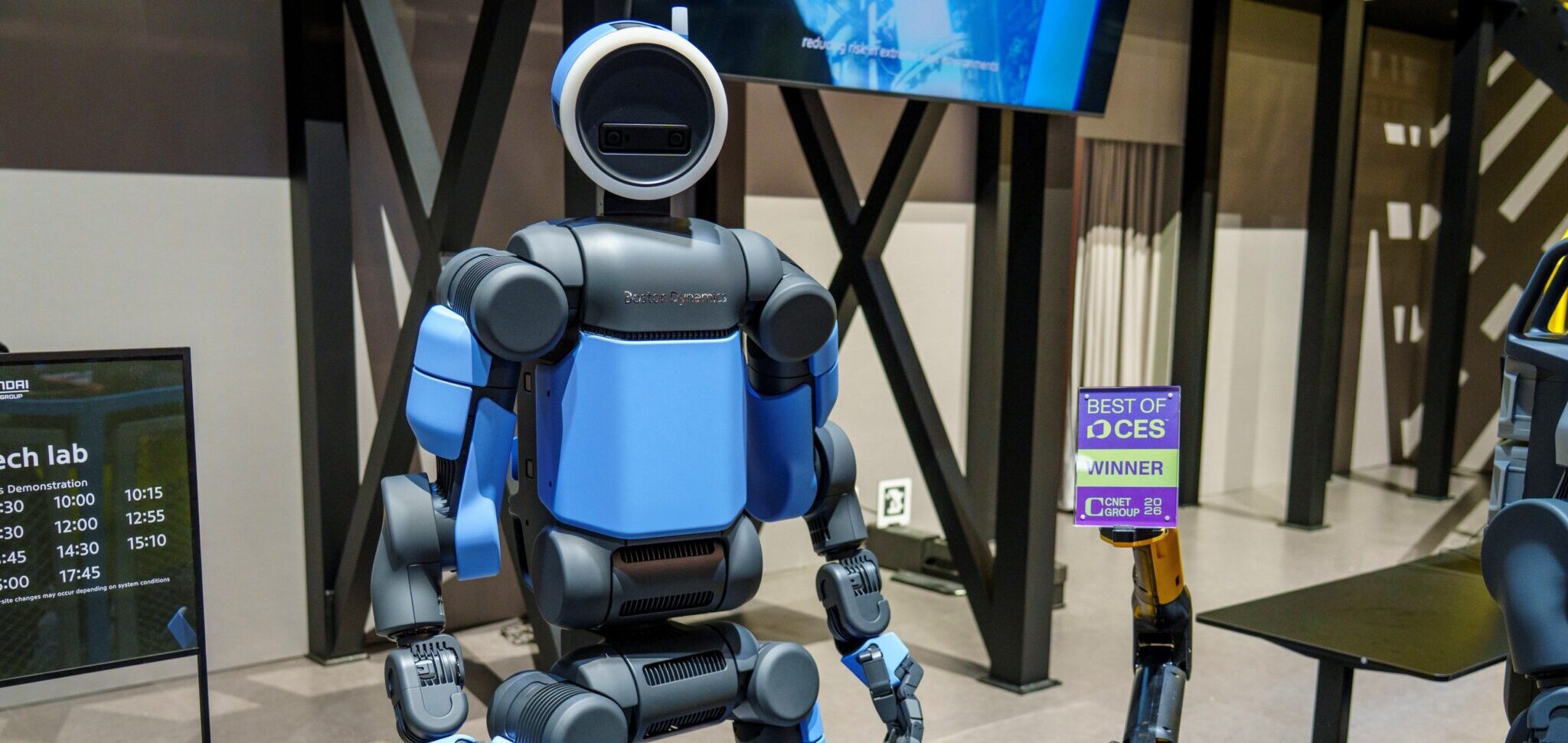
The global automotive industry is facing a high-stakes standoff in South Korea. Approximately 40,000 members of the Hyundai Motor Company labor union have walked off the job, halting production at key facilities in Ulsan, Asan, and Jeonju. While wage negotiations are a traditional pillar of this dispute, the strike marks a significant shift in labor relations: workers are formally demanding a voice in how and when humanoid robots are deployed on the factory floor.

Hyundai union members striking over automation fears and wage disputes.

Why This Strike Matters

This is not just another industrial dispute. For the first time in the global automotive sector, the integration of humanoid robotics has become a central point of negotiation. As Hyundai pushes forward with its 'Software-Defined Factory' blueprint—which relies heavily on AI-orchestrated cell production—workers are raising alarms about job security and the human impact of rapid automation.

  • Unprecedented demand for union input on humanoid robot deployment.
  • Concerns regarding long-term job security in an era of AI-driven manufacturing.
  • Stalled wage negotiations compounding the frustration among union members.
  • Potential for significant supply chain disruption given that South Korea produces nearly half of Hyundai's global vehicle output.

Supply Chain and Future Implications

The timing of the strike is critical. Hyundai exports more than one million vehicles annually, and any prolonged stoppage risks immediate inventory pressure. With Hyundai aiming to increase its US-assembled vehicle share significantly by 2030, this labor conflict serves as a test case for how multinational corporations manage the transition to highly automated, software-defined manufacturing.

The question of who controls the pace of automation on the factory floor has arrived as a live labour relations issue, and it is not going back to being a theoretical one.

— Centrum-AI

Key Takeaways

  • 40,000 Hyundai union workers have initiated a full-scale strike.
  • Automation and the use of humanoid robots in factories are central demands.
  • South Korean plants, responsible for half of global production, are seeing halted operations.
  • The dispute may set a precedent for how the automotive industry manages future AI and robotics implementation.
  • Supply chain teams are currently assessing the impact on global inventory levels.

FAQ

Why are Hyundai workers on strike?

Workers are striking due to failed wage increase negotiations and deep concerns over the deployment of humanoid robots in manufacturing plants.

How many workers are participating in the strike?

Approximately 40,000 union members have walked off the job across several Hyundai plants in South Korea.

Will this impact Hyundai vehicle supply?

Yes, given that these plants account for nearly half of Hyundai's global production, a prolonged strike poses a significant risk to inventory.

Is this the first time workers have struck over AI?

This is a first for the global automotive industry where the explicit demand for negotiating the deployment of humanoid robots has become a core component of a major strike.

Related Videos

Hyundai Workers Strike; U.S. Tool & Die Industry Fading

Autoline Network

40,000 Hyundai Workers Walk Out Over Humanoid Robot Deployment

WorldpulseNews

Sources