
The Surveillance Paradox: Efficiency vs. Privacy
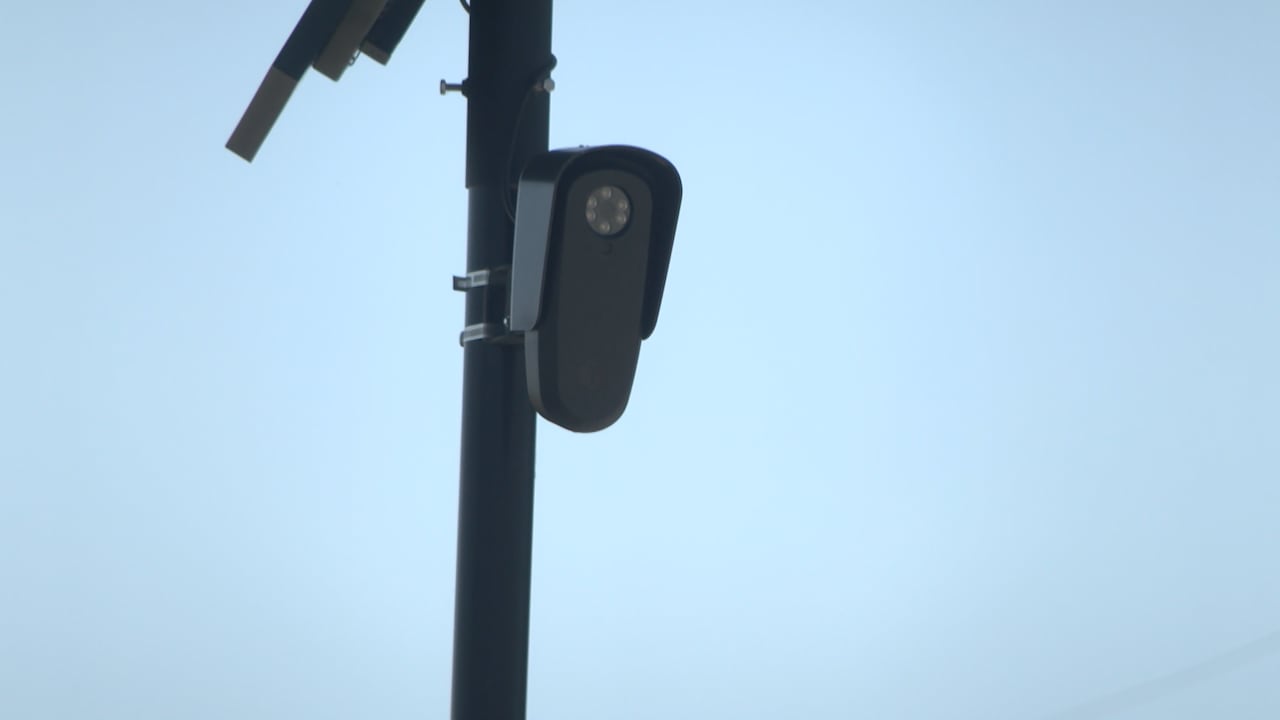
Automated License Plate Readers (ALPRs), like those manufactured by Flock Safety, were pitched to police departments as a revolutionary crime-fighting tool. By utilizing AI-powered cameras to scan plates and store data in real-time, these systems allow law enforcement to track vehicle movements, theoretically making it easier to solve investigations. However, the rapid expansion of this technology into public spaces has ignited a firestorm of controversy over mass surveillance and potential civil liberty violations.
A Wave of Local Resistance
The backlash is no longer just theoretical. Recent reports show that communities are increasingly skeptical of the trade-off between safety and privacy. In Texoma, for instance, a town recently voted to cancel its contract with Flock Safety after residents packed a public meeting to voice concerns regarding data collection and surveillance. Similarly, in Massachusetts, several towns are opting out of the technology, driven by concerns over police misconduct and the potential for the misuse of sensitive tracking data.
- Police misconduct: At least four officers in Massachusetts are under investigation for misusing ALPR technology.
- Data access: Records have surfaced showing out-of-state police searching camera footage from local university campuses.
- Lack of regulation: Critics point to a lack of consistent state or federal laws governing how long this data is stored and who exactly has access to it.
- The 'Hit' Ratio: Studies indicate that only a tiny fraction (0.01% to 0.08%) of scanned plates lead to actual criminal suspects, raising questions about the necessity of such vast data collection.
The Future of ALPRs
As ALPR technology migrates into Canada and continues to expand across the U.S., the debate is shifting toward the need for stronger oversight. Experts argue that without clear policy safeguards and public transparency, these systems risk alienating the very communities they aim to protect. The central challenge remains finding a balance where law enforcement can access necessary tools without infringing on the privacy of ordinary citizens who are not linked to any criminal activity.
The success of any public safety technology depends not only on its effectiveness but also on community acceptance.
— Police Chief Magazine