A Cinematic Call for Harmony
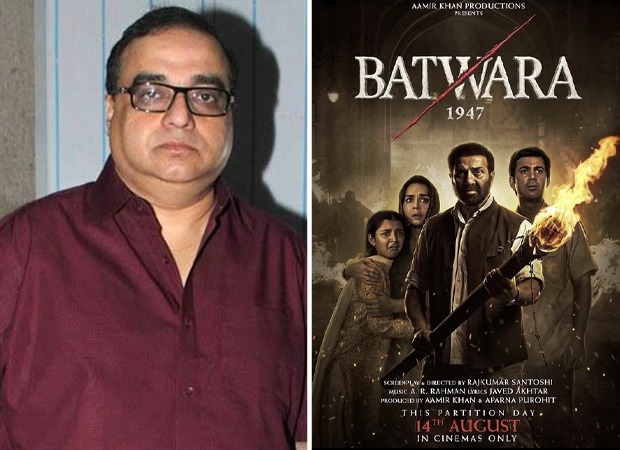
In an effort to bridge divides and highlight the message of his latest directorial venture, Rajkumar Santoshi is organizing a high-profile, special screening of 'Batwara 1947' in Mumbai. The event is set to be attended by a diverse assembly of spiritual and faith leaders, underscoring the film’s narrative focus on peace and reconciliation.
Released on August 14, 2026, 'Batwara 1947' revisits the complex history of the Partition of India. Unlike many historical dramas that focus on the conflicts of the period, the film is being lauded for its focus on the resilience of humanity and the necessity of communal harmony.
A Gathering of Faiths
The screening will serve as a platform for open dialogue, with attendees ranging from Hindu mahamandleshwars and Buddhist monks to Catholic directors of interfaith dialogue and prominent Islamic scholars. By bringing together such a wide spectrum of religious representation, Santoshi hopes to elevate the conversation surrounding the film beyond mere entertainment.
- The film marks a major reunion between director Rajkumar Santoshi and star Sunny Deol after nearly three decades.
- The soundtrack features compositions by A. R. Rahman with lyrics penned by Javed Akhtar.
- The production is backed by Aamir Khan Productions.
- The cast features heavyweights including Sunny Deol, Shabana Azmi, Preity G Zinta, Karan Deol, Ali Fazal, and Abhimanyu Singh.
Batwara 1947 is an emotional film that shows Partition not through hatred, but through the lens of humanity.
— Film critique and audience feedback
Market Context and Industry Impact
The film’s release has not been without its hurdles. 'Batwara 1947' is currently navigating a competitive landscape, facing challenges related to screen-sharing and distribution against other major releases like 'Awarapan 2', which recently crossed the Rs 128 crore gross mark. As the industry monitors these box office trends, Santoshi’s focus on interfaith engagement signals a strategic shift toward highlighting the cultural significance of the project.