economy & policy••4 min read

The Looming Shift: Why India’s Economic Future Depends on Internal Migration

India is bracing for a significant demographic transformation as birth rates in key states dip below replacement levels. Economic experts now suggest that internal migration will be the lynchpin for maintaining regional economic stability.

The Looming Shift: Why India’s Economic Future Depends on Internal Migration

A New Demographic Reality

India, often lauded for its massive youthful population, is witnessing a quiet but profound shift in its demographic landscape. Recent analysis from the Economic Advisory Council to the Prime Minister highlights a trend that policy planners can no longer ignore: birth rates in several high-performing states have dropped significantly below the replacement level.

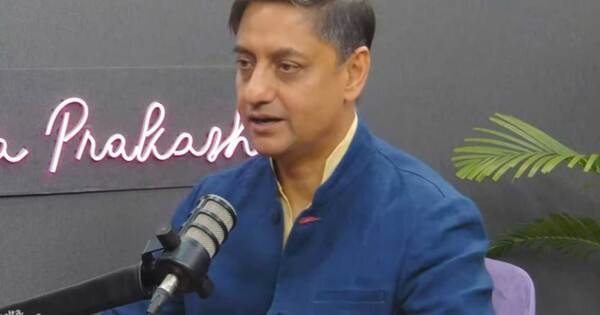
Sanjeev Sanyal, a member of the Economic Advisory Council to the Prime Minister, recently emphasized that states such as Kerala, West Bengal, and Andhra Pradesh are approaching a critical juncture. To keep public systems functioning and ensure continued economic momentum, these regions will likely need to rely on internal migration from other parts of the country.

The future of the Indian workforce is tied to mobility and regional opportunity.

Why Migration Is Becoming Essential

The transition isn't just a matter of numbers; it is about the structural integrity of state economies. When a state's birth rate falls below the replacement level, the tax base eventually shrinks, and the demand for labor in critical sectors—from infrastructure maintenance to public healthcare—cannot be met by the local population alone.

  • Falling birth rates in key states necessitate a mobile national workforce.
  • Internal migration helps balance labor shortages in aging regions.
  • Economic sustainability depends on the efficient flow of talent across state borders.
  • Policy frameworks may need to evolve to support inter-state mobility.

States such as Keralam, Andhra Pradesh and West Bengal, where birth rates have fallen well below the replacement level, will have no choice but to bring in migrants from other parts of the country to keep their economies and public systems functioning.

— Sanjeev Sanyal, Member of the Economic Advisory Council to the Prime Minister

Looking Toward the Future

This shift suggests that the future of Indian development will be defined by how well the country manages human capital. Moving from a model where labor stays localized to one that embraces fluid, internal migration will be a significant challenge for local governments, but it is also an opportunity to create a more integrated national economy.

Key Takeaways

  • Birth rates in states like Kerala, West Bengal, and Andhra Pradesh have dropped below replacement levels.
  • Internal migration is identified as a necessary solution to keep state economies and public systems operational.
  • Economic experts argue that the free flow of labor across state lines is vital for future growth.
  • The demographic shift requires proactive policy adjustments to support migrants and ensure economic stability.
  • Regional labor shortages are becoming a defining feature of India's maturing economy.

FAQ

Why do some Indian states need migrants?

States with birth rates below the replacement level face potential labor shortages that can threaten the sustainability of their economic and public systems.

Which states are currently facing this demographic shift?

According to the Economic Advisory Council to the PM, states including Kerala, West Bengal, and Andhra Pradesh are seeing birth rates fall below replacement levels.

What is the long-term implication of these falling birth rates?

Without adequate internal migration, these states may struggle to maintain their workforce, which could impact economic productivity and the quality of public services.

Is migration the only solution to this problem?

Experts suggest that facilitating internal migration is a critical step in balancing the labor market and ensuring that high-growth regions continue to function effectively.

Related Videos

Moving to U.S.? Indian Woman Reveals Skills You MUST Have

TimesXP

Pros and cons of living in USA

That Indian vlogger

Sources