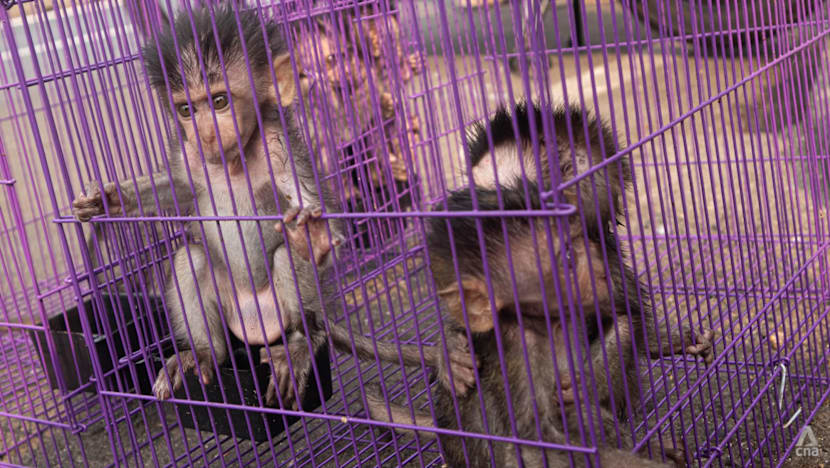
A Complex Balancing Act
Indonesia is currently navigating a contentious path regarding its wildlife policies, specifically concerning the long-tailed macaque. Recent reports indicate that the nation is pushing to renew exports of the species, a move framed by officials as a mechanism to support local communities and better manage human-wildlife conflicts. However, this decision has drawn sharp criticism from animal welfare groups and conservationists who argue that the policy risks further destabilizing a population that is already classified as endangered by international authorities.
The Global Context of the Primate Trade
The controversy over Indonesian exports arrives at a time when the global primate trade is under intense scrutiny. Long-tailed macaques are highly sought after for biomedical research, making them a cornerstone of a lucrative, albeit controversial, industry. Previous years have seen significant volatility in the supply chain, particularly following investigations into illegal trafficking networks—such as the 2022 U.S. federal indictment involving the fraudulent labeling of wild-caught monkeys as captive-bred.
The Endangered Status Debate
A central point of friction is the species' classification. The IUCN has officially listed the long-tailed macaque as endangered, a status that research organizations and industry-funded groups have previously attempted to challenge. Critics of the trade argue that the push for exports often prioritizes financial incentives over the biological reality of the macaques, suggesting that the line between 'captive-bred' and 'wild-captured' is frequently blurred to meet international demand.
- Proponents claim exports help mitigate human-wildlife conflict by controlling population numbers.
- Conservationists warn that high export volumes threaten the survival of the species in the wild.
- The biomedical industry maintains that primates are essential for critical medical research.
- International regulators, including CITES, continue to face pressure from member states seeking to ensure a steady supply of research subjects.
The IUCN’s confirmation that long-tailed macaques are endangered is grounded in science and evidence, and it exposes how industry lobbyists weaponized a false conflict of interest claim to delay protections and keep the illegal primate trade alive.
— Lisa Jones-Engel, Primatologist