A New Chapter for Conservation
Conservation efforts in Kazakhstan have officially entered a more aggressive, results-oriented phase. Rather than simply setting aside land to prevent further decline, national policy is now focused on the deliberate reintroduction of native animals into environments where they had previously vanished.
This strategy marks a critical evolution in how governments manage biodiversity. By transitioning from defensive strategies—such as anti-poaching measures and habitat preservation—to offensive restoration, the country aims to jump-start the recovery of keystone species.
Which Species Are Returning?
The recovery programs cover a diverse range of animals, focusing on species that play vital roles in the health of the steppe and forest ecosystems. Notable successes and ongoing projects include:
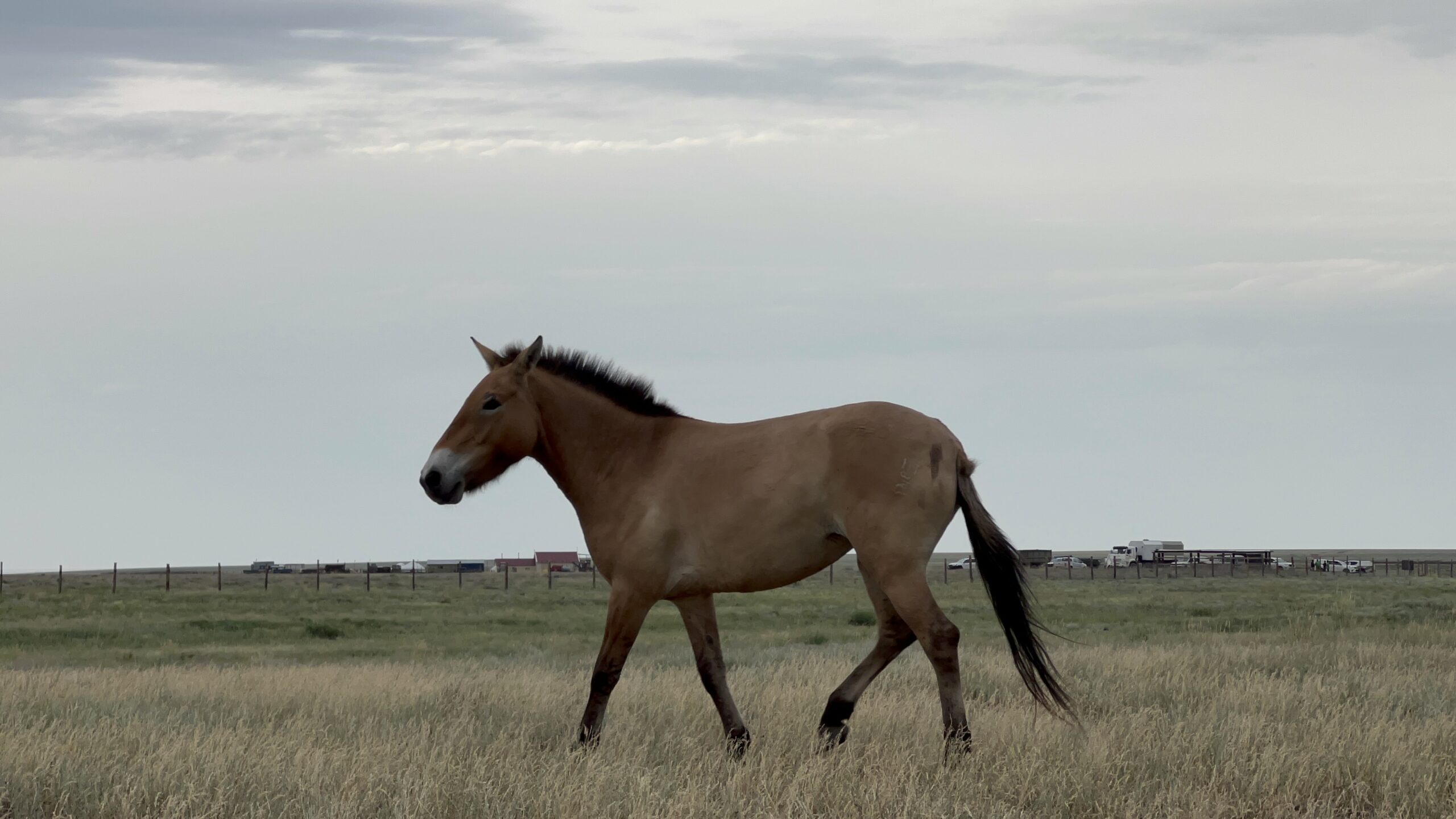
- Przewalski’s horses: Once extinct in the wild, these animals are key to restoring the natural grazing patterns of the region.
- Kulans: Efforts are underway to return these wild asses to parts of the country where they were historically prevalent.
- Tigers: A major milestone has been reached with the release of tigers into the wild, marking a historic step toward reestablishing a top-tier predator in the local food chain.
The Strategic Shift
The shift in focus is designed to move beyond maintaining 'relict' populations—those that are merely holding on—to creating thriving, self-sustaining wild herds. This approach requires not just monitoring, but complex logistical efforts to transport species and ensure they have the protection and resources needed to settle into their native ranges.
From Przewalski’s horses and kulans to the recent release of a tiger into the wild, conservation policy is moving beyond protecting surviving wildlife toward rebuilding populations.
— The Astana Times