energy & sustainability••4 min read

Fortescue Hits Major Milestone in Australia’s Green Iron Revolution

Mining giant Fortescue has successfully produced hot metal at its Christmas Creek pilot plant in the Pilbara. This breakthrough marks a critical step toward establishing a sustainable green iron industry in Australia.

Fortescue Hits Major Milestone in Australia’s Green Iron Revolution

A New Chapter for the Pilbara

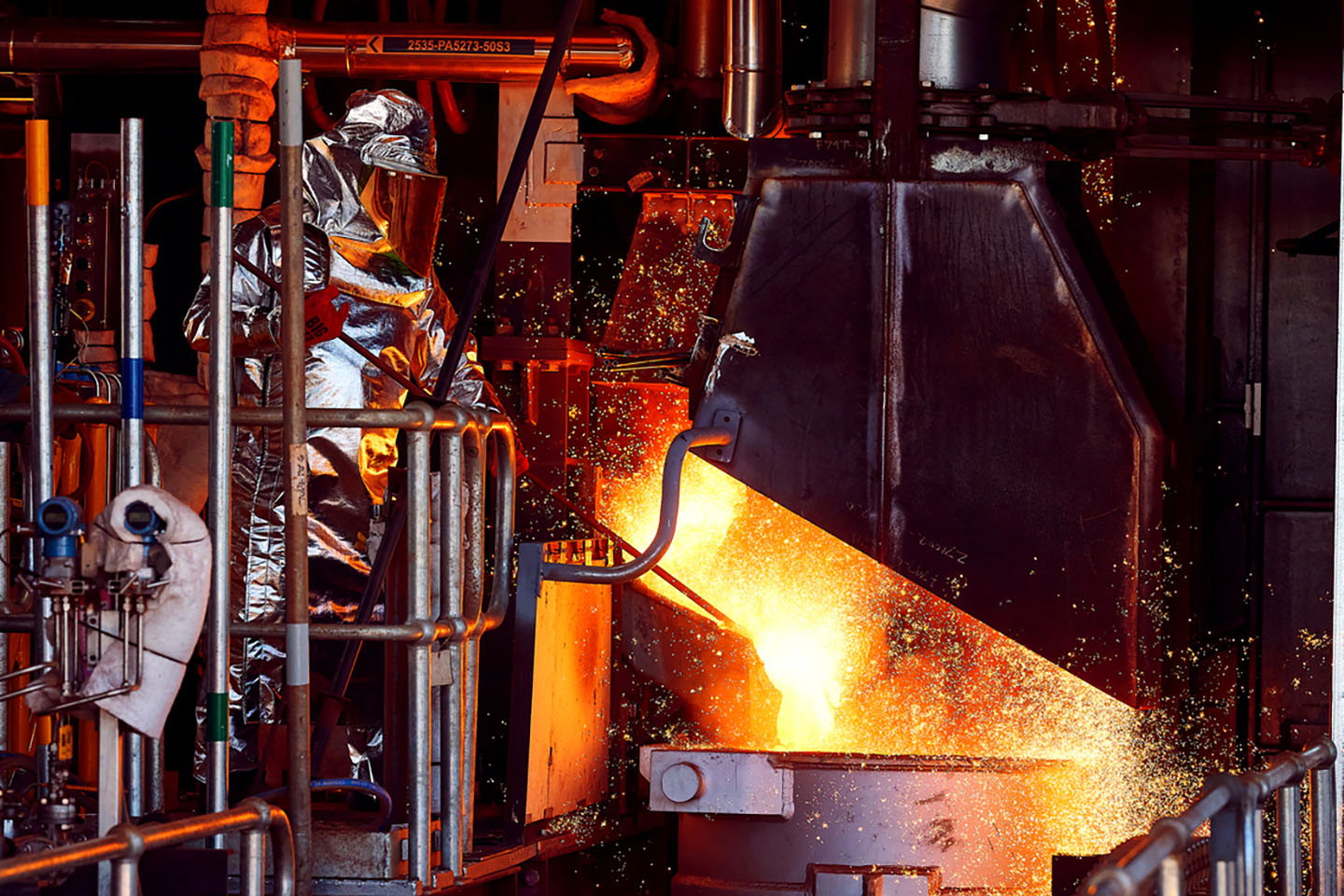
In a development that could reshape Australia’s industrial landscape, Fortescue has officially produced 'first hot metal' at its Christmas Creek pilot plant. Located in the heart of the Pilbara, this achievement represents a significant shift for a region traditionally defined by massive-scale iron ore exports destined for overseas blast furnaces.

For the first time in two decades, hot metal has been generated at a commercial-scale trial site in the region using electric smelting technology. The project serves as a proving ground for the company’s vision to transition from purely exporting raw ore to processing it domestically into a greener, value-added product.

Fortescue's Christmas Creek site where the pilot green iron project is underway.

Why Green Iron Matters

Traditional steelmaking, which relies on blast furnaces and coal-based coking, is one of the most carbon-intensive industries globally. By utilizing electric smelting, Fortescue aims to replace traditional carbon-heavy inputs with electricity, effectively decarbonizing a core stage of the production cycle.

  • Decarbonization: Moving away from traditional blast furnace methods reduces reliance on coal.
  • Value Addition: Australia is looking to capture more of the steel production value chain domestically.
  • Technology Validation: The pilot plant proves the viability of electric smelting at a local scale in the Pilbara.

This marks a major milestone towards an Australian green iron industry, solving one of the most complex challenges in our transition to sustainable global steel production.

— Fortescue Spokesperson

The Path to Scaling Up

While the pilot plant is an important technological victory, it serves as a foundation for future industrial growth. Moving from a pilot stage to a fully commercialized green iron export industry involves significant logistical and energy-infrastructure challenges. However, the successful production of hot metal validates the technical approach, providing a template for how the Pilbara could eventually become a hub for low-emission iron processing.

Key Takeaways

  • Fortescue produced 'first hot metal' at its Christmas Creek green iron pilot plant.
  • The process uses electric smelting to move away from carbon-intensive blast furnace methods.
  • The milestone signals a potential pivot for Australia from exporting raw iron ore to processing green iron.
  • This project aims to address the significant carbon footprint associated with global steel production.

FAQ

What is green iron?

Green iron is iron produced through processes that significantly reduce or eliminate CO2 emissions, typically by using renewable energy and electric smelting instead of traditional coal-fired blast furnaces.

Where is the new Fortescue pilot plant located?

The plant is located at Fortescue's Christmas Creek site in the Pilbara region of Western Australia.

Why is this achievement significant?

It is the first time in two decades that hot metal has been produced in the Pilbara at a trial site, marking a critical step in testing new sustainable technologies for the mining industry.

How does electric smelting reduce emissions?

Electric smelting reduces the need for carbon-heavy coking coal by using electricity—ideally from renewable sources—to heat and refine the iron ore.

Related Videos

Fortescue produces first hot metal towards green iron production in Australia

MiningWeekly

How a direct reduction plant works – explained in 5 minutes

thyssenkrupp Steel

Pioneers Talk #13: Leaping Toward Green Ironmaking

Primetals Technologies

Sources