A Cooling Trend in the AI Chip Market
The high-flying momentum of the artificial intelligence sector faced a reality check this week. Semiconductor stocks, which have been the engines driving recent market gains, saw a sharp downturn as investors reacted to broader economic pressures. The Nasdaq's 1.2% dip is being widely attributed to growing anxieties over the financing of massive AI infrastructure projects.
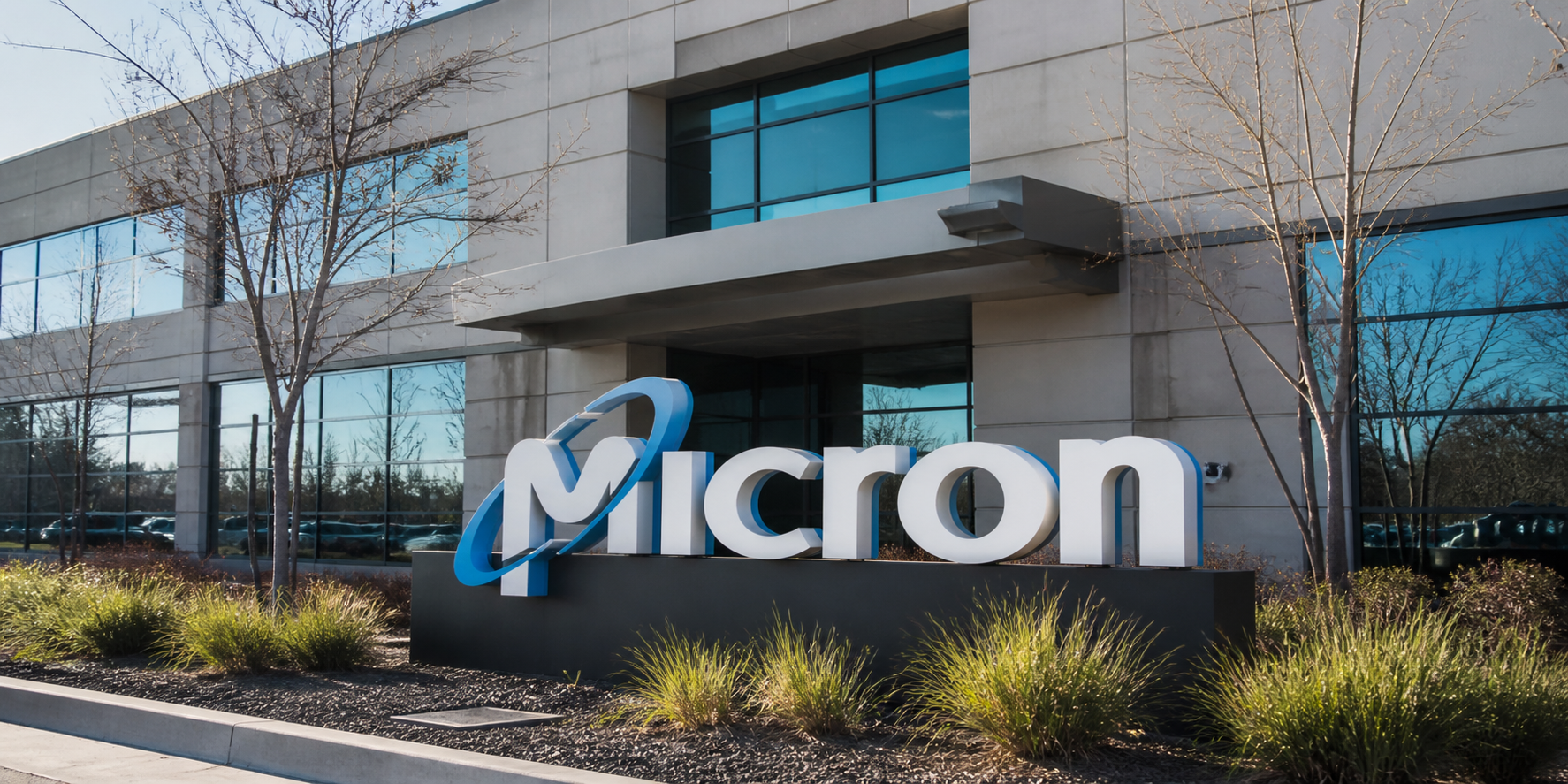
Leading memory-chip manufacturers were hit particularly hard. Micron Technology shares fell 7.7% to $934, breaking a streak that had seen the stock climb above the $1,000 mark in the previous session. Global peers felt the heat as well, with South Korean giant SK Hynix dropping 9.2% and SanDisk declining nearly 10%.
Why Borrowing Costs Matter for AI
At the heart of the selloff is the relationship between Treasury yields and capital-intensive industries. As yields climb, the cost of borrowing increases, creating a tougher environment for companies that rely on heavy debt to fund the massive infrastructure required for AI development. While companies like Micron maintain relatively manageable debt levels—standing at approximately $5.72 billion as of May—the market is increasingly concerned about the broader ecosystem's ability to sustain current capital expenditure (CapEx) levels.
- Rising Treasury yields increase the cost of financing new AI data centers.
- Investors are shifting focus from pure growth to the sustainability of CapEx spending by hyperscalers.
- Semiconductor manufacturers are dealing with volatility as market expectations for 2027 guidance begin to take center stage.
Looking Ahead: Is the AI Trade Over?
The recent dip doesn't necessarily signal the end of the AI revolution, but it does suggest a more cautious approach from Wall Street. Analysts are closely watching guidance from major hyperscalers, as their spending plans dictate the success of the entire chip supply chain. Whether the market can recover from this funding-related fatigue depends on whether these companies can prove that their AI investments are generating the returns necessary to justify current valuations.
The whole AI trade, whether you're thinking about those that are spending the money or those that are receiving those CapEx dollars, all depends on the forecast or CapEx guidance from the hyperscalers.
— Market Analyst Insight