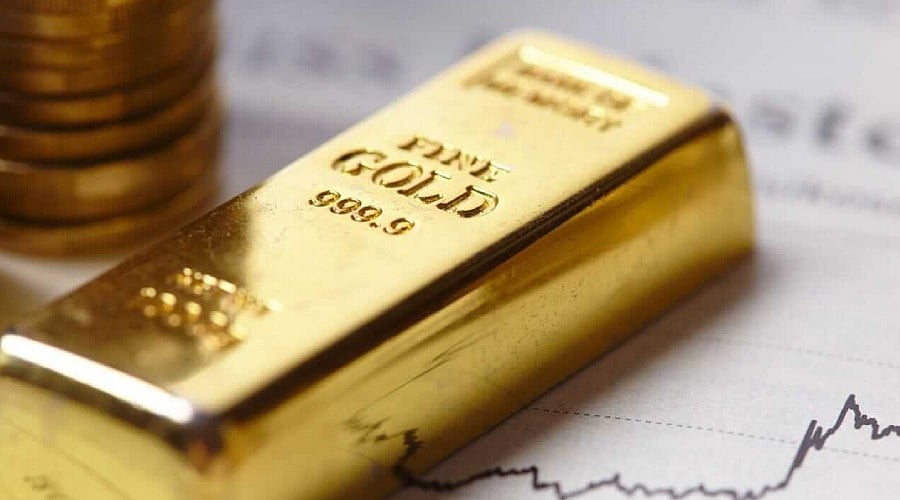
The Resurgence of Gold in a Volatile Market
In a year marked by shifting geopolitical alliances and unpredictable market swings, gold has solidified its position as a go-to asset for risk-conscious investors. Reaching an all-time high of $5,344.30 per ounce in January 2026, the precious metal is proving that its historic role as a 'safe haven' remains as relevant as ever.
For many, gold is no longer just a luxury commodity; it is a strategic shield. As central banks and private investors look to protect wealth against currency debasement and geopolitical friction, gold has consistently acted as a counterbalance to the volatility seen in traditional stock and bond markets.
Why Central Banks and Investors Are Buying In
The demand for gold isn't just retail-driven. Global central banks have significantly ramped up their holdings. Between 2021 and 2025, central bank purchases averaged 225 tons per quarter—a dramatic increase from the 2016–2020 period. Experts point to the freezing of Russian assets in 2022 as a turning point, causing nations like China to shift their reserves toward gold to reduce reliance on the U.S. dollar.
- Hedge against currency debasement and inflation.
- Protection against U.S. sanctions and 'de-dollarization' efforts.
- Outperformance of Treasuries and bonds during market crises since 2008.
- Strategic asset diversification to mitigate global economic risk.
Gold vs. Modern Assets
While assets like Bitcoin have captured headlines with massive growth since 2009, gold offers a different type of reliability. Over the last two years, gold has outperformed cryptocurrencies, highlighting its stability during bear markets. While it lacks the 'yield' of stocks or money market funds, its ability to thrive during periods of risk makes it a necessary component of a diversified portfolio.
Gold should be considered a vital component of a diversified investment portfolio, not only for its traditional benefits but also for its potential to deliver significant returns in a complex global economic environment.
— VanEck Gold Investing Outlook