The Looming Change in Lansing
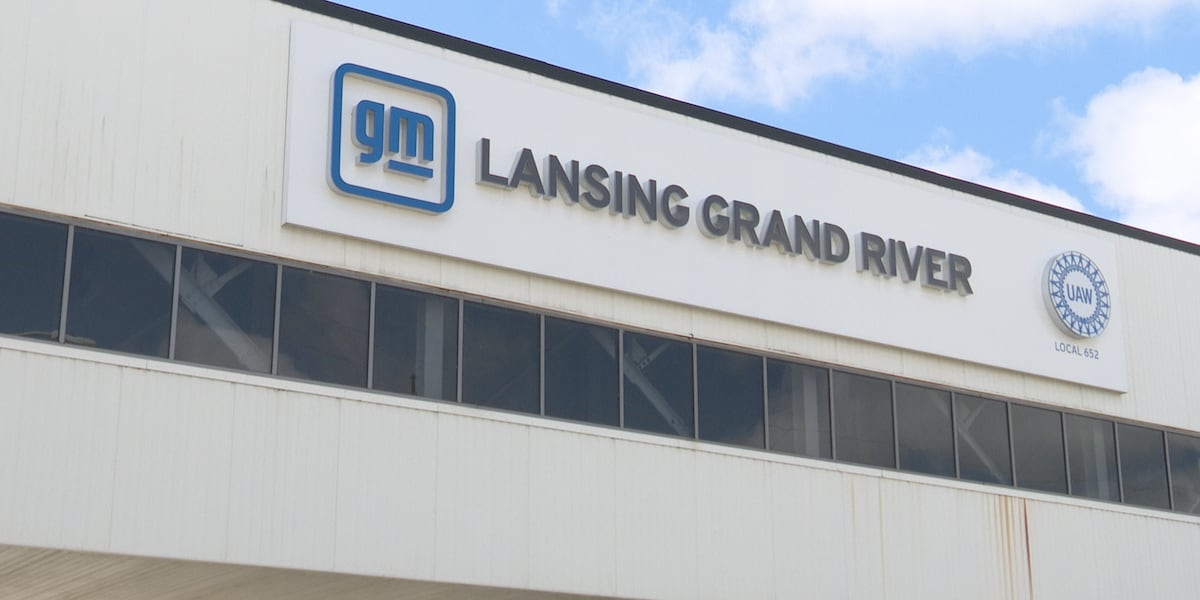
A significant workforce reduction is hitting the automotive sector in Michigan. Starting January 14, 2027, General Motors will implement 350 layoffs at the Lansing Grand River Assembly and Stamping plant, as well as the Lansing Regional Stamping facility. For the local community, this move represents more than just internal corporate restructuring; it signals a period of adjustment for small businesses and the regional economy that relies heavily on the spending power of plant employees.
Understanding the Economic Ripple Effect
When a major employer like General Motors reduces its workforce, the consequences extend well beyond the factory gates. Historical data and economic modeling indicate that plant closures and layoffs carry a heavy 'multiplier effect.' For every job cut at an assembly plant, multiple other positions—ranging from supplier roles to local service industry jobs—are often placed at risk.
- Direct impact: 350 workers facing layoffs in Lansing.
- Regional loss: Reduced worker spending power affects local small businesses, restaurants, and retail.
- Tax implications: Municipalities may see declines in tax revenue and economic circulation.
- Supply chain strain: Downsizing can lead to concurrent layoffs at surrounding supplier plants.
Why These Decisions Happen
Corporate automotive entities often cite strategic realignment as the driver behind such difficult decisions. In recent years, GM and other major automakers have navigated shifting market demands, particularly regarding electric vehicle sales and global supply chain costs. While these moves are framed as necessary for long-term corporate health and maintaining competitive cash flow, they create immediate, painful challenges for the communities that house these facilities.
A strong cash position is the only way the company can deal with these factors and also continue to invest in growth opportunities and to set ourselves up for the future.
— General Motors Statement (Historical Context)